Australia ? Oceania
Sydney Travel Guide
Harbor views, beaches, and outdoor lifestyle.
Quick highlights
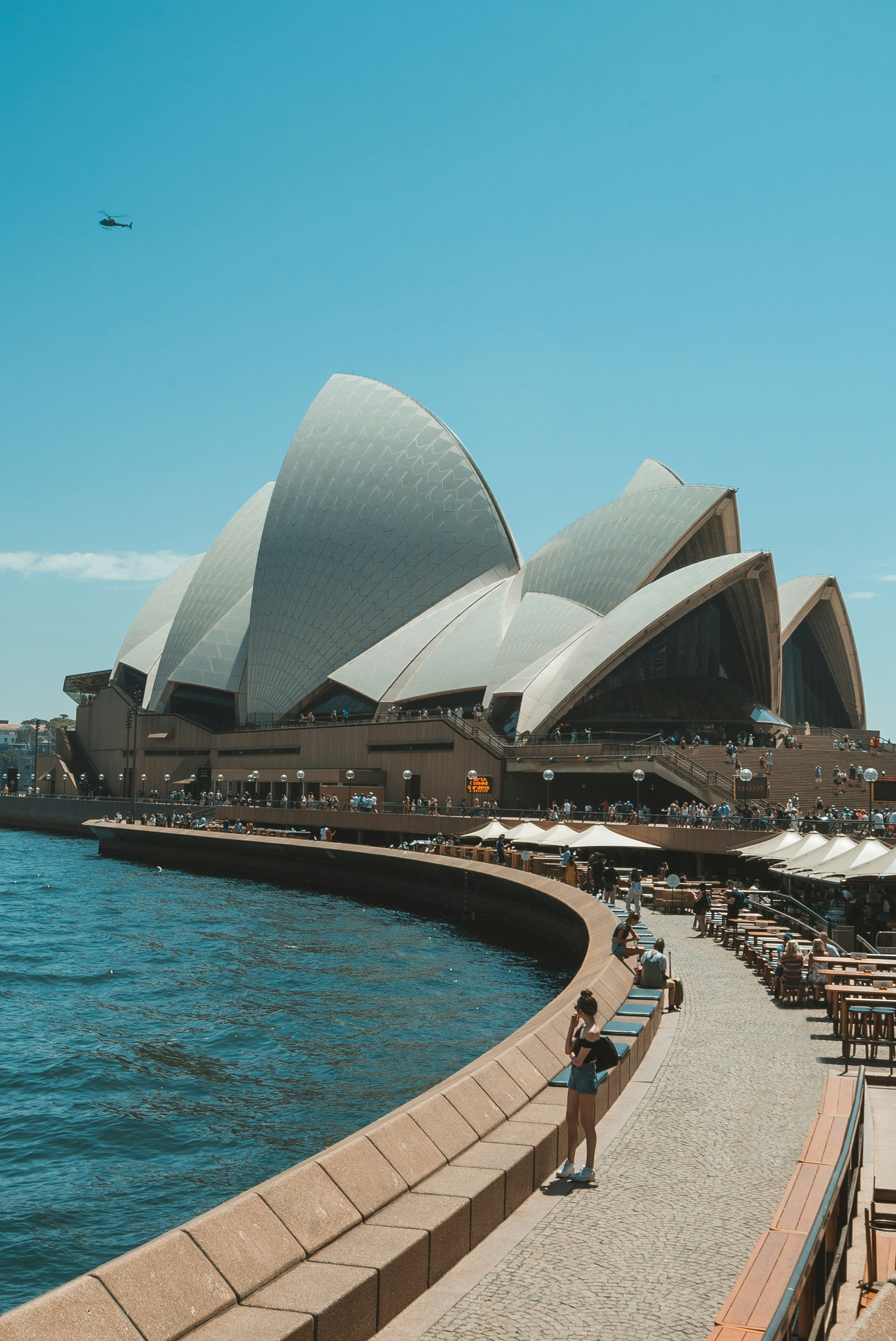
- Opera House
- Bondi Beach
- Harbour Bridge
Before you go
Arriving in Sydney, plan extra time to reach your accommodation during peak hours. Use the airport transfer option that best matches your schedule and budget.
Reserve key attractions in Sydney ahead of time if you travel in high season, and keep a digital copy of your tickets.
Travel tips
- Walk Bondi to Coogee
- Use ferries
Cost overview
Budget: $90-130
Mid-range: $160-230
Luxury: $320+
Meals: $12-20 casual
Transport: $10-14 day pass
Lodging: $150-230 mid-range
Harbor areas are pricier.
Transport
Airport: SYD, 15-25 minutes by train.
Local: Opal card works for all transit.
Car rental: Not needed in the city.
Public transport in Sydney is the easiest way to move between neighborhoods. A day pass often saves money if you take multiple rides.
Clothing by season
Winter: Light jacket, layers for evenings.
Spring: Light layers, windbreaker.
Summer: Swimwear, sun protection, sandals.
Autumn: Light jacket, comfortable shoes.
Pack with Sydney's typical weather in mind and include one extra layer for evenings.
Where to stay
- CBD
- Surry Hills
- Bondi
For first-time visitors, staying near CBD keeps attractions and transit close.
Money and connectivity
Payments: Cards are widely accepted in Sydney, but carry small cash for markets, taxis, or tips.
Connectivity: A local SIM/eSIM keeps navigation reliable in Sydney; download offline maps as backup.
Tipping: Tipping customs vary; check local norms and note that service may be included.
Safety
Use standard big-city precautions in Sydney: keep valuables secure and avoid poorly lit areas late at night.
2-day itinerary
Day 1
- Opera House
- The Rocks
Day 2
- Bondi Beach
- Coogee walk
Full travel guide
How to set the pace for a Sydney trip
Sydney feels spread out, but the city is easier when you focus on two anchors: the harbor and one neighborhood beyond the center. Plan one day around the CBD, The Rocks, and the Opera House, then dedicate another day to beaches or a western neighborhood. This prevents long daily commutes and makes the city feel more compact.
The ferry network is more than transport; it is part of the experience. A short harbor ferry ride can replace a paid tour and still give you iconic views. Build your itinerary around a few ferry rides and you will naturally see the city from its best angles.
Sydney rewards early mornings. If you start your days before 9 AM, you can see major sights with fewer crowds and still have time for neighborhoods, markets, and beaches.
Airport transfers and the real cost of the train
The airport train is the fastest option, but it comes with a station access fee. The access fee is AUD 17.92 when you tap with an Opal card or contactless, and AUD 18.30 for a single trip ticket. The station access fee is not included in the daily or weekly caps, so plan your budget accordingly.
Trains run from about 5 AM until midnight, so they are reliable for most flights. If your flight arrives late, the airport bus services become the fallback option. The 350 bus runs frequently, roughly every 10 minutes, and you also have route 420 plus the overnight N20 route.
A taxi can be attractive when you are traveling with multiple people. Transport NSW notes a trial flat fare from 3 November 2025: AUD 60 for standard taxis and AUD 80 for maxi taxis, including tolls and airport charges. This price can be competitive for groups, but it is less predictable outside the trial window.
Opal fares and how the caps really work
Sydney uses daily and weekly fare caps, which make transit costs predictable for visitors. The daily cap is AUD 19.30 Monday to Thursday and AUD 9.65 on Fridays, weekends, and public holidays. The weekly cap is AUD 50. These caps can save money if you use trains, ferries, and buses frequently.
The airport station access fee is separate from those caps, so a single airport trip can still add a large cost even if you have reached the daily limit. If your itinerary allows it, consider using the bus on arrival or departure to avoid the access fee.
Once you are in the city, the Opal system makes it easy to move between neighborhoods. Tap on and off, and you will naturally benefit from the caps without needing to plan the exact number of rides.
Where to stay for different trip styles
The CBD is the most efficient base for first-time visitors. You are close to the Opera House, Circular Quay, and major transit lines. The Rocks adds historic charm and harbor views but can be pricier.
Surry Hills and Darlinghurst are great for dining and nightlife, with easy access to the city center. These neighborhoods feel more local while still keeping you within a short ride of the harbor.
If beaches are your priority, consider staying near Bondi or Coogee. You will spend more time commuting to the CBD, but you gain easy access to coastal walks and sunrise swims.
Harbor experiences and coastal highlights
The harbor is the heart of Sydney. Even if you are not planning a formal tour, a simple ferry ride gives you the classic skyline view and costs the same as regular transit. It is one of the best value experiences in the city.
For the coast, the Bondi to Coogee walk is a signature experience and does not require a ticket. Go early to avoid crowds and heat, and bring water and sun protection. You can return by bus once you finish.
Sydney beaches have strong sun and shifting weather. Pack a light cover-up for windier days and plan a backup activity in case of sudden rain.
Budgeting in Sydney without missing out
Sydney can feel expensive, especially for lodging and dining. The best strategy is to choose one paid experience per day, then fill the rest with free or low-cost highlights like coastal walks, markets, and harbor views.
The transit caps help keep costs predictable, so lean on public transport rather than taxis. If you are staying outside the CBD, check how long it takes to reach the harbor so you can plan early starts.
Food costs are easier to manage if you treat lunch as your main meal and keep dinner lighter. The city has many casual dining options that are excellent value.
Seasonal packing and comfort tips
Sydney seasons are the reverse of the Northern Hemisphere, so double-check your travel dates. Summer brings strong sun and humidity; pack breathable clothing, sunglasses, and sunscreen. Winter is mild but can feel chilly at night, so bring a warm layer.
Spring and autumn are ideal for layering. Mornings can be cool, afternoons warm, and evenings breezy along the harbor. A light rain jacket is useful year-round.
If you plan to visit beaches, pack quick-dry items and sandals. If you plan to explore the city on foot, pack walking shoes that handle long days on pavement.
Common mistakes to avoid in Sydney
The most common mistake is underestimating distances. Sydney is larger than it looks on a map, and travel times add up. Choose one side of the city per day to avoid unnecessary cross-city trips.
Another frequent issue is ignoring transit caps and access fees. The airport train can be a shock if you do not know about the station access fee. Plan ahead so that cost does not surprise you on arrival.
Finally, do not wait until midday to start your day. Sydney mornings are cooler, and starting early gives you the best light for harbor views and coastal walks.
Neighborhood day loops for Sydney
Sydney planning works best with day loops. One loop can cover Circular Quay, the Opera House, The Rocks, and a ferry ride. Another can focus on a beach area and the coastal walk, then return via a different neighborhood for dinner.
Loops keep you from spending your day in transit. They also make it easy to add a market stop or a long harbor walk without breaking the day.
If you are staying outside the CBD, use the morning to get into the center early, then finish the day near your accommodation to avoid a late commute.
Rain plan and indoor alternatives
Sydney weather can change quickly. Keep a backup plan for rainy days, such as museums, indoor markets, or a relaxed cafe itinerary.
If the harbor is windy, switch to neighborhood exploration and use the next clear day for the waterfront.
Day trips and longer stays
If you have extra days, consider a day trip for a change of scenery. The value of a day trip is not just the destination but the way it resets the pace of the city trip.
For longer stays, build in a rest day with minimal plans. That keeps energy high and prevents the trip from feeling rushed.
Practical checklist before you go
Confirm your airport transfer method and note the station access fee if you plan to take the train. This avoids a budget surprise on arrival.
Pack sun protection for any season and bring a light layer for evenings near the harbor.
Neighborhood highlights by interest
If you want the classic Sydney postcard view, keep your base near the harbor and spend time in The Rocks and Circular Quay. This keeps you close to the Opera House and easy ferry access.
If you want a local feel, focus on neighborhoods like Surry Hills or Newtown for dining and culture. These areas give you a different side of the city without a long commute.
For beach-first travelers, choose a coastal base and structure your days around coastal walks, then use one or two harbor days as a change of pace.
Evenings, dining, and nighttime pacing
Sydney evenings are quieter than some global cities, so plan dinners with a specific neighborhood in mind. This keeps the evening calm and avoids a long ride after dark.
If you want to see the harbor after sunset, take a short evening walk along the waterfront rather than a full ferry loop. It gives you the atmosphere without a late return.
Small etiquette tips that improve the trip
Carry sun protection even on cooler days. The UV can be strong, and it adds up during long walks.
Be mindful of early closing times outside the CBD. If you plan a late meal, keep your options central.
Connectivity, payments, and small logistics
Sydney is easy for card payments, but it is still worth carrying a small amount of cash for markets or small cafes. Keep a backup card in a separate place so you are never stuck.
Mobile data makes the city much easier to navigate, especially when you are hopping between beaches and the harbor. Download offline maps as a backup for areas with weak coverage.
If you plan to use transit often, set up your payment method early in the trip. It saves time at stations and removes friction during busy mornings.
Outdoor versus indoor balance
Sydney is an outdoor city, but long days in the sun can be draining. Balance each outdoor highlight with an indoor break such as a cafe, a gallery, or a relaxed lunch spot.
If the weather shifts, switch to neighborhoods with indoor options and save beaches for the next clear day. A flexible mindset keeps the trip enjoyable.
Sources last verified: 2026-03-24
FAQ
- Is Sydney expensive?
- Yes, lodging is high.
- Is it safe?
- Yes, very safe.