Shopping guide - China - Asia

Shopping in Shanghai

Shanghai works best when you split it into a river-and-concession day, a Jingan-and-former-French-Concession day, and one modern-Pudong or museum-led layer instead of trying to flatten the Bund, the leafy former concessions, and the newer skyline into one generic mega-city sprint.

Best time: April to June and September to November for the strongest mix of walking weather and city energy.
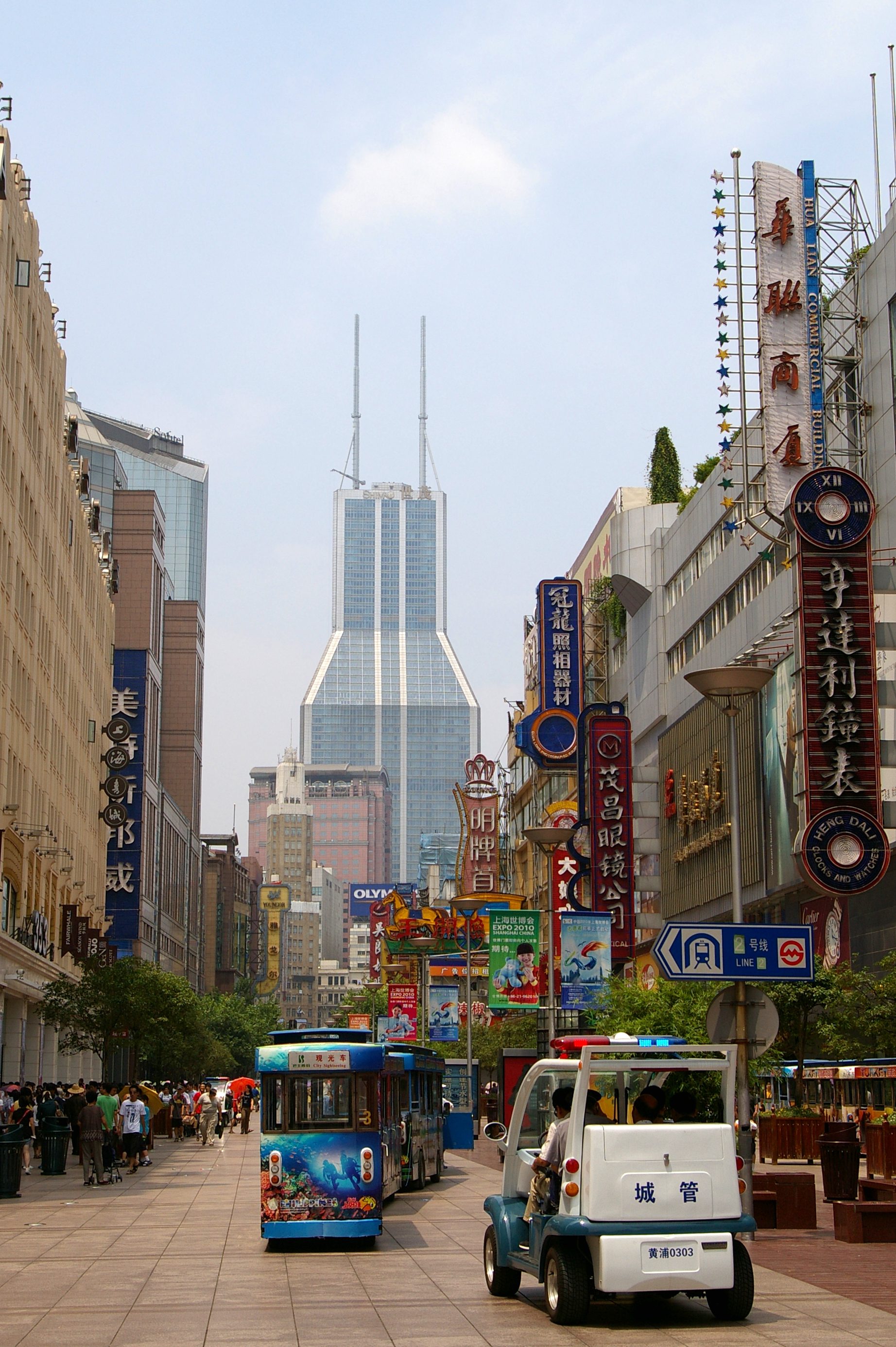
Shopping street scene in Shanghai
Photo by Jakub Hałun

Best shopping areas

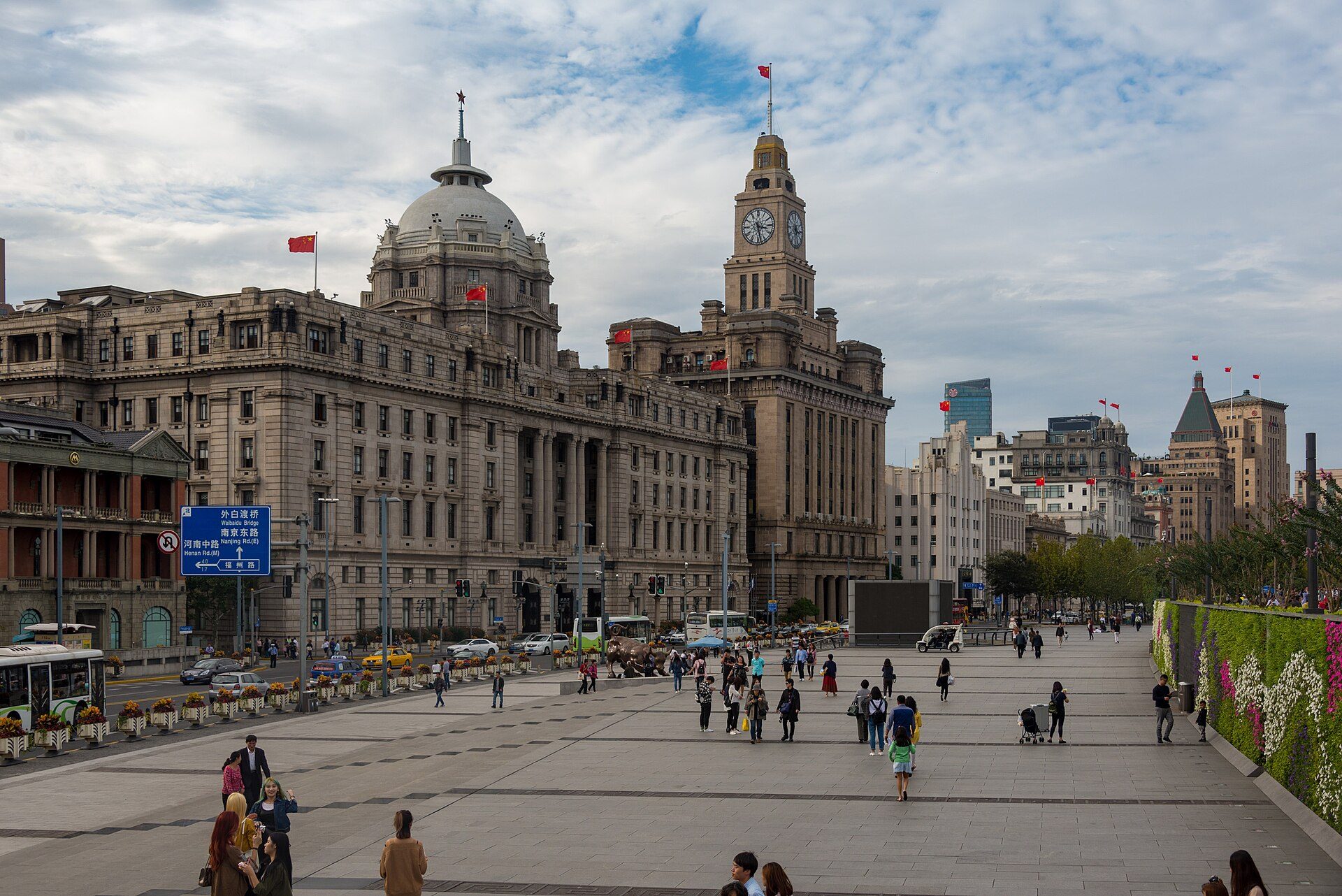
The Bund, French Concession, and Pudong

Main rule

Use one shopping district at a time.

Trip rhythm

Markets, boutiques, and shopping streets work best as one compact block.

Key takeaways

Top shopping streets, markets, and stores in Shanghai

Use named places and souvenir logic, not generic shopping promises.

  • Decide what you want to buy before the route starts
  • Use markets for souvenirs and local texture
  • Use streets or malls only when they match the trip style

In Shanghai, shopping works best when it is tied to districts like The Bund, French Concession, and Pudong rather than treated as a separate mission.

A good shopping stop should leave you with something memorable, not just more walking.

Nanjing Road and nearby lanes

Central Shanghai

The easiest first-trip shopping spine.

Skyline in Shanghai
Photo by David Zhang from Canada

How to shop well in Shanghai

Choose districts and souvenirs, not just store count.

  • Use one shopping area at a time
  • Match shopping to the route
  • Know whether you want local, practical, or premium

The strongest shopping day in Shanghai starts with deciding the style of buying you actually want: local design, practical basics, food markets, souvenirs, luxury, or browsing with cafes in between.

A good shopping area gives you more than stores. It gives the day a walkable rhythm.

The souvenir question matters too: the best keepsake usually comes from a market, specialty food shop, craft store, or a street that feels specific to the city.

Restaurant or cafe scene in Shanghai
Photo by Fanem WOO Huauimgy SAA

How to choose between markets, boutiques, and big retail streets

The right format depends on the trip, not on hype.

  • Markets for texture and gifts
  • Boutiques for local character
  • Big retail streets for efficiency

Markets and neighborhood shops often make more sense when you want atmosphere, gifts, snacks, or something tied to the city itself.

Boutique-heavy districts are strongest when you actually want local design or a more leisurely walk.

Large retail corridors only really matter if you want efficiency, weather protection, or familiar shopping categories.

Shopping street scene in Shanghai
Photo by Jakub Hałun

Best shopping rhythm in Shanghai

Shopping usually works best as a supporting block, not the whole day.

  • Use mornings for markets
  • Use afternoons for browsing districts
  • End near cafes or dinner

Markets often fit best earlier in the day, while neighborhood shopping streets can work well in the afternoon once the main sightseeing anchor is done.

One compact shopping district plus a cafe or lunch stop usually creates a better experience than trying to collect several far-apart retail zones.

If bags start dictating the route, the day usually gets worse.

Transit scene in Shanghai
Photo by Antigng

Common shopping-planning mistakes

Too much movement is usually the real problem.

  • Do not split the day across too many retail areas
  • Keep baggage and hotel return in mind
  • Know when a market is worth the detour

The most common shopping mistake is turning a city day into pure backtracking between unrelated shopping streets, malls, and markets.

Another common miss is buying too much too early and then carrying bags through museums, hills, or transit changes.

A smaller, better-located shopping block usually beats a longer but fragmented one.

Street scene in Shanghai
Photo by Carrot2333

What shopping in Shanghai is actually good for

Use named streets, markets, or stores instead of generic retail time.

  • Decide whether the day wants food gifts, design, fashion, or practical souvenirs
  • Use one shopping zone at a time
  • Buy things that still feel tied to the city after the trip

The strongest shopping pass in Shanghai usually starts with places like Nanjing Road and nearby lanes because they reveal what the city actually sells well.

A good shopping layer should sharpen the district day rather than delay the next route.

If shopping is not a core priority, one well-chosen corridor usually gives more value than half a day of unfocused browsing.

Major attraction in Shanghai
Photo by xiquinhosilva

How to pair shopping with food and route logic in Shanghai

A market or retail corridor becomes stronger when it sits inside the right meal rhythm.

  • Shop before the heavier meal if bags are manageable
  • Use food halls and markets as route bridges
  • Let dinner finish the same district cleanly

In many cities, a shopping district becomes more enjoyable when lunch or dinner at places like Fu 1088 already belongs nearby.

That keeps the day from splitting into a retail half-day and a food half-day that fight each other.

The best retail rhythm usually feels like part of the city's cultural layer, not like an unrelated errand block.

FAQ

Where should I go shopping in Shanghai on a first trip?
Start with the districts already close to your route, especially The Bund, French Concession, and Pudong, and choose the format you actually want: markets, boutiques, or bigger retail streets.
Should I plan shopping as its own day in Shanghai?
Usually not. Shopping works better as one strong district block inside a broader city day unless retail is a main reason for the trip.