Food guide - Italy - Europe

Restaurants and cafes in Rome

Rome works best when you stop treating it as a museum queue with ruins attached and instead run it as walking-heavy district days: one ancient-Rome axis around the Colosseum and Forum, one Vatican-and-river day, one food-and-evening layer in Campo, Monti, or Trastevere, and only the detours that genuinely deserve your feet and time.

Best time: April to June and late September to early November for the best walking weather.
Restaurant street in Rome
Photo by Peter1936F

Best areas

Centro Storico, Trastevere, and Monti

Main rule

Keep meals tied to the district you are already using.

Trip rhythm

One strong dinner and one well-timed cafe stop are usually enough.

Key takeaways

Where to eat and pause well in Rome

Keep the list short, concrete, and tied to the districts you actually use.

  • Choose one lunch idea, one stronger dinner, and one cafe stop
  • Match food to the district, not the algorithm
  • Do not restart the whole route for every meal

In Rome, first-time food planning usually works best around areas like Centro Storico, Trastevere, and Monti.

The goal is not to collect the longest list. It is to pick a few places that genuinely improve the day.

Roscioli

Centro Storico

A flagship Rome meal that actually earns its reputation because it fits the old-core route and delivers both pantry culture and serious plates.

Expect roughly EUR 45-90 per person.

Armando al Pantheon

Pantheon area

A stronger classic Roman lunch or dinner than generic trattoria roulette when the route already belongs to the center.

Expect roughly EUR 35-70 per person.

Da Cesare al Casaletto

Monteverde

Best for one deliberate Roman dinner beyond the tourist core if the trip is long enough to deserve a destination meal.

Expect roughly EUR 35-65 per person.

Sant'Eustachio Il Caffè

Centro Storico

A high-signal stop that actually belongs inside a Roman center route rather than on a random coffee hunt.

Coffee and pastry usually cost EUR 5-12.

Roscioli Caffè

Campo de' Fiori side

A stronger breakfast or mid-route stop when the day already leans market and old-center logic.

Coffee and pastry usually cost EUR 8-16.
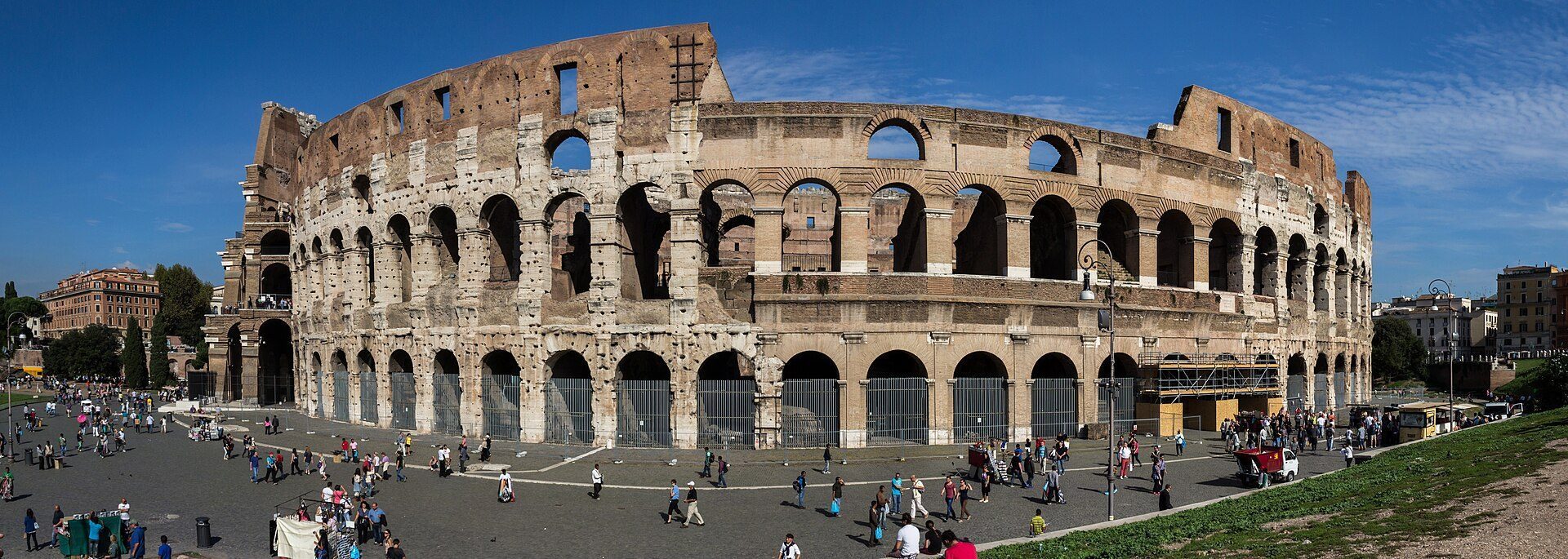
Colosseum exterior wide shot
Photo by Dietmar Rabich

How to build a better food day in Rome

A short route with the right stops almost always beats a famous place in the wrong area.

  • Lunch near the daytime route
  • Dinner near the evening district
  • Use cafes for resets, not detours

The strongest meal plan usually means one clear dinner target and lighter stops that fit the walking pattern of the day.

If a famous place forces a long extra transfer, it often costs more energy than it gives back.

Cafe stops matter most when they help you recover before the next block of sightseeing.

Trastevere street scene
Photo by trukdotcom

What to book and what to keep flexible

Protect the places that are hard to replace, and keep the rest adaptable.

  • Book only the meals that are central to the trip
  • Keep one fallback district in mind
  • Use markets and bakeries to control the budget

One or two named places are usually enough for a short trip.

Everything else should stay flexible so weather, queues, or energy level do not ruin the evening.

Transit scene in Rome
Photo by Mstyslav Chernov

FAQ

Where should I eat in Rome on a first trip?
Start with the districts already in your route, especially Centro Storico, Trastevere, and Monti, and use one lunch idea, one stronger dinner, and one cafe stop rather than trying to cover the whole city.
Do I need restaurant reservations in Rome?
Usually only for the places that are genuinely difficult to get into or especially important to you.