Packing guide - France - Europe

What to Wear in Paris

Pack for shoulder conditions in Paris and keep one extra layer for evenings.

Best time: April to June and September to October for milder weather and better walking conditions.
People dressed for a city day in Paris
Photo by Myrabella

Best mindset

Pack for walking comfort first.

Seasonality

April to June and September to October for milder weather and better walking conditions.

Main rule

Use flexible layers and one shoe choice that survives a full day.

Key takeaways

What to wear in Paris by season

Pack for the route you will walk, not just the climate headline.

  • Shoes matter first
  • Layers beat exact forecasts
  • Evenings often feel different from midday

Packing for Paris works best when you start with your actual trip shape: walking-heavy days, airport transfers, neighborhood evenings, and one or two longer outdoor blocks.

The right shoes and a realistic outer layer usually matter more than trying to optimize every single item.

A small adjustment to layering often does more for comfort than overpacking.
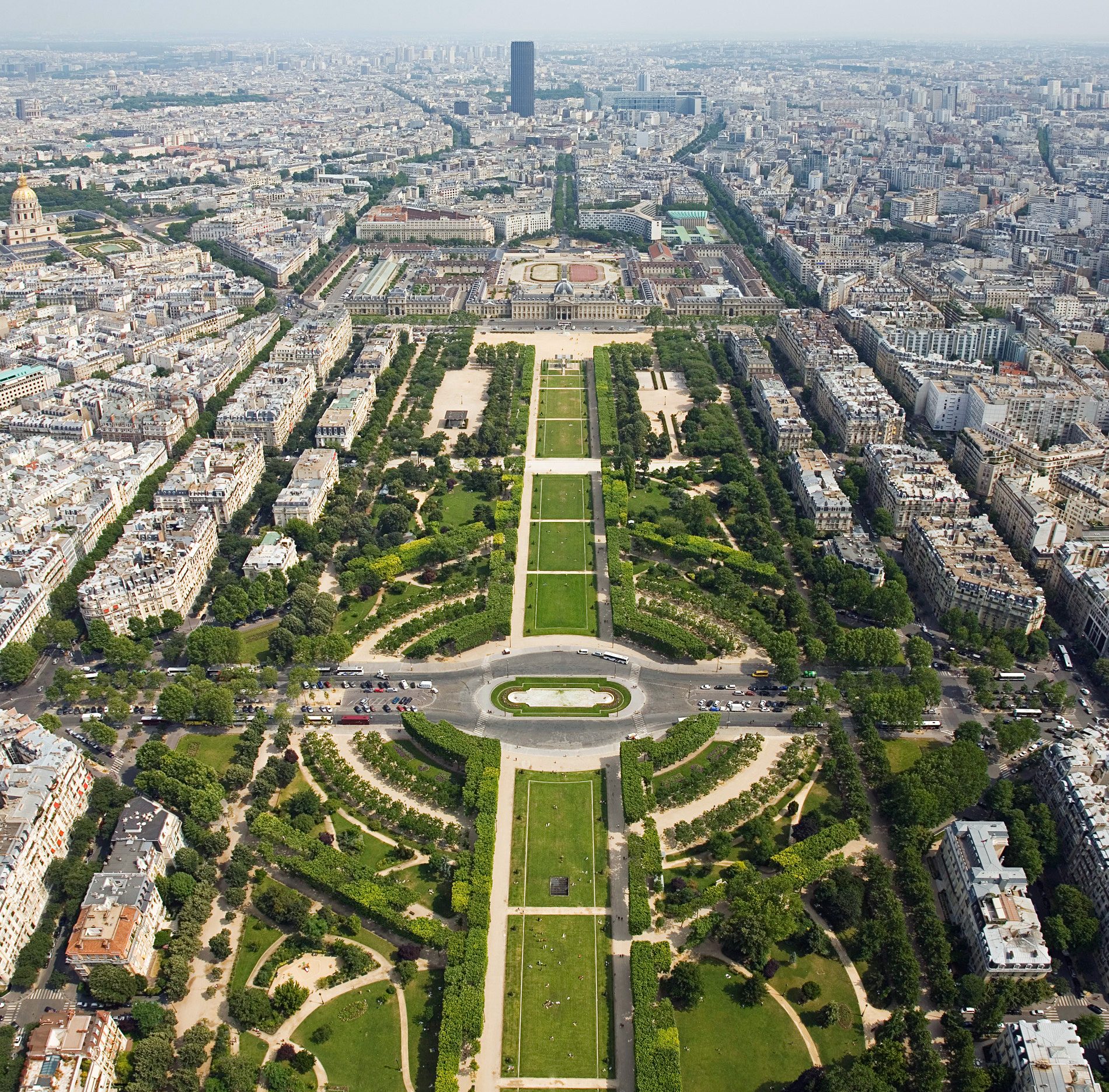
Eiffel Tower panoramic view
Photo by Diliff, edited by Fir0002

Spring and summer packing

Warm-month travel is easier when the outfit still respects walking and transit.

  • Spring: flexible layers
  • Summer: breathable fabrics
  • Sun and rain need simple backup

Spring: Light coat, layers, small umbrella.

Summer: Light layers, comfortable shoes for walking.

If the city includes long queueing, waterfront wind, or heavy midday sun, pack for that specific friction rather than the average temperature alone.

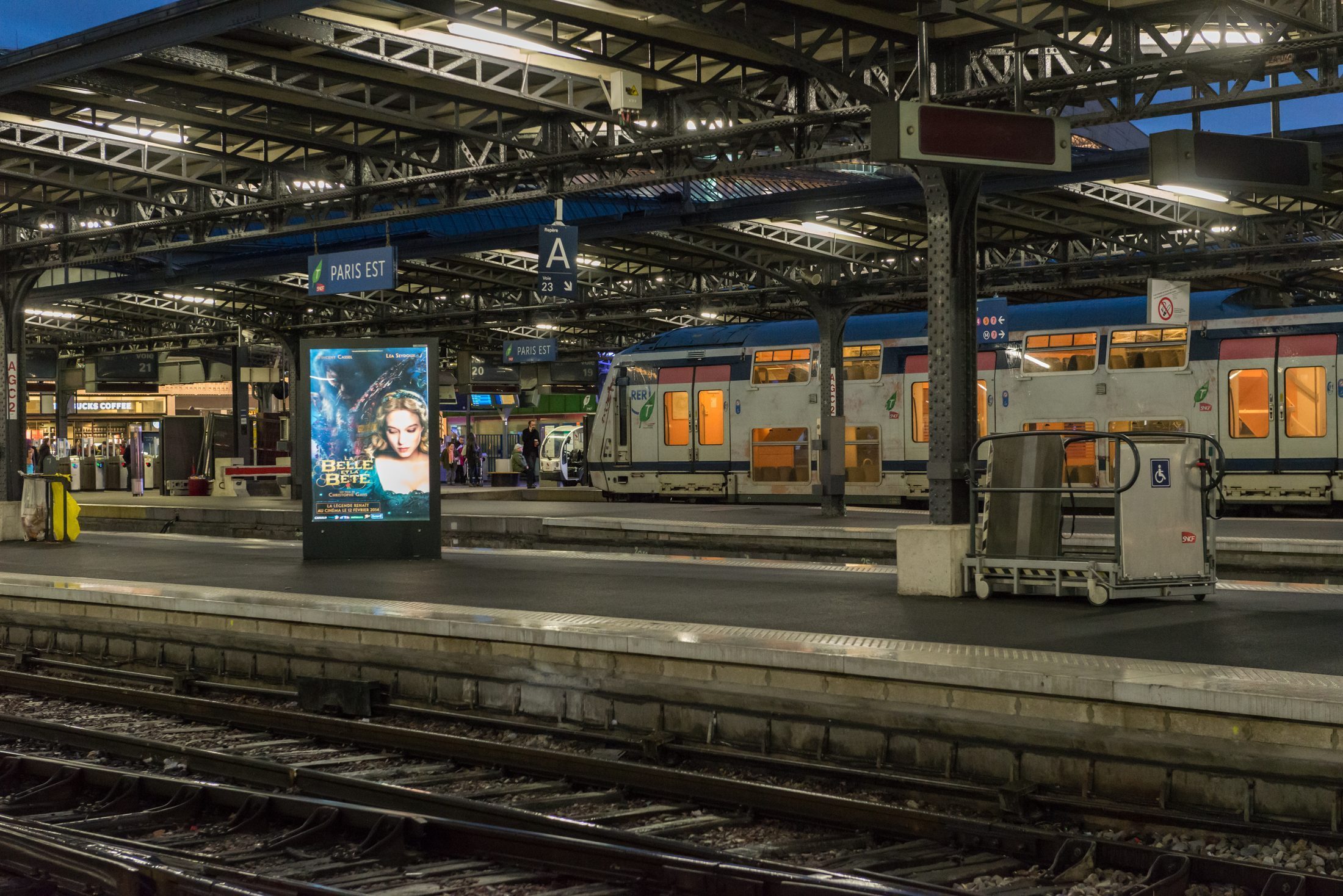
Transit scene in Paris
Photo by Clicsouris

Autumn and winter packing

Cold-season comfort comes from layering honestly.

  • Autumn: keep one extra layer
  • Winter: protect feet and evenings
  • Indoor-outdoor transitions matter

Autumn: Light jacket, scarf, rain layer.

Winter: Warm coat, scarf, water-resistant shoes.

Cold-season city trips go better when the outfit works for both transit and walking rather than looking good only for the first hour outdoors.

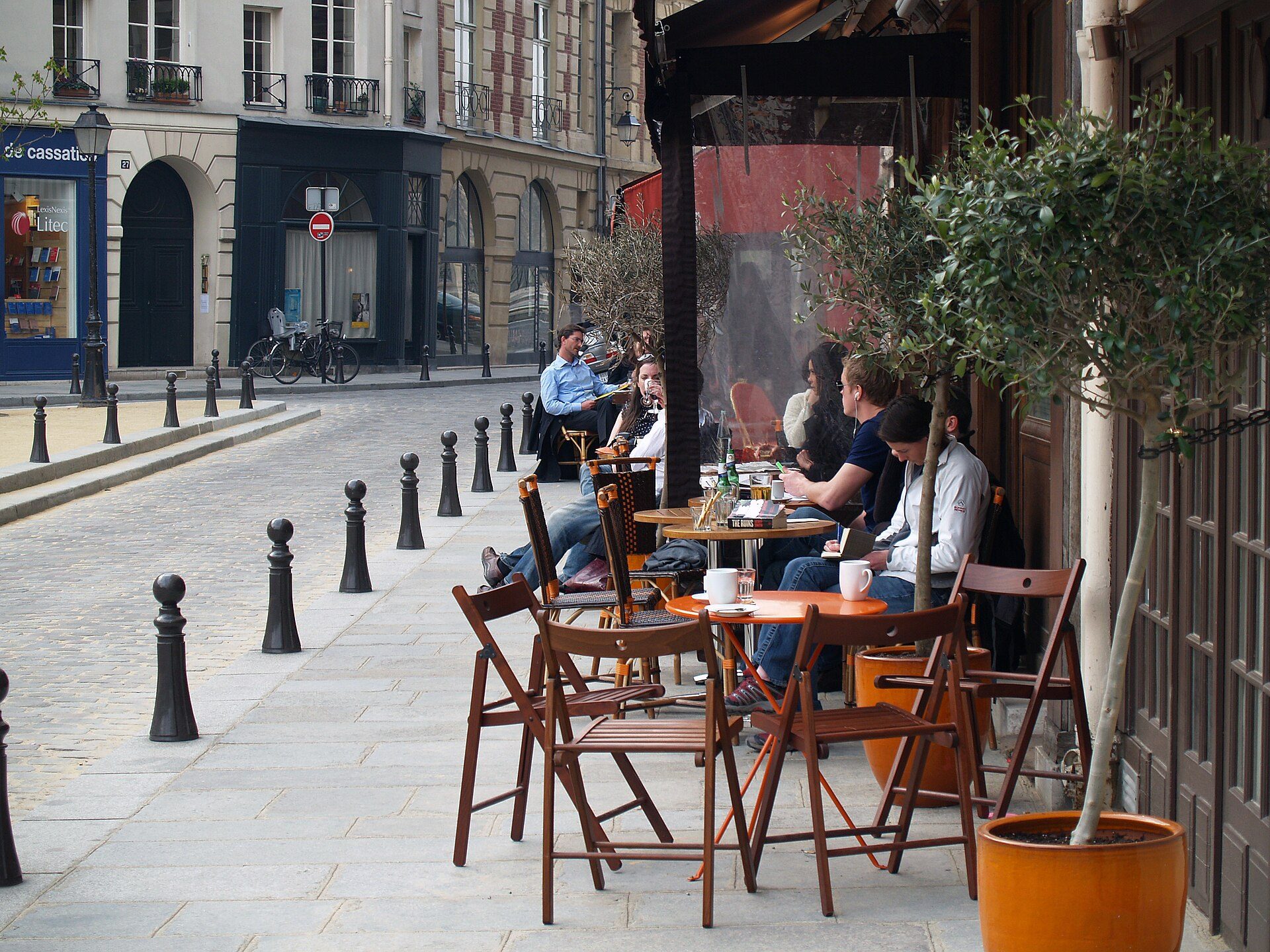
Paris cafe street scene
Photo by Chris Hills from Preston, England

What not to forget for Paris

Small practical items often matter more than extra outfits.

  • Carry one compact weather backup
  • Choose one bag that works all day
  • Dress for transit as well as photos

A compact umbrella, light rain layer, or extra warm layer often does more than packing multiple duplicate outfits.

If the trip includes museums, churches, beaches, nicer dinners, or longer transit days, aim for one simple outfit system that adapts well instead of separate wardrobes for each moment.

Travel clothing works best when it makes the day feel easier, not when it forces the day to serve the outfit.

Major attraction in Paris
Photo by Benh LIEU SONG

How to dress for Paris without overthinking it

Comfort matters, but so does surviving full days on foot and in transit.

  • Shoes decide the trip more than jackets do
  • A neat layer helps for cafes, nicer dinners, and churches
  • Rain backup matters most outside summer

Paris is easier when you pack one outfit system that can handle museums, metro stairs, cafe stops, and a stronger dinner without a costume change. Comfortable walking shoes are the real foundation because cobbles, long pavements, and station transfers add up quickly.

A trench, light wool layer, or compact umbrella usually gives more practical value than extra fashion pieces.

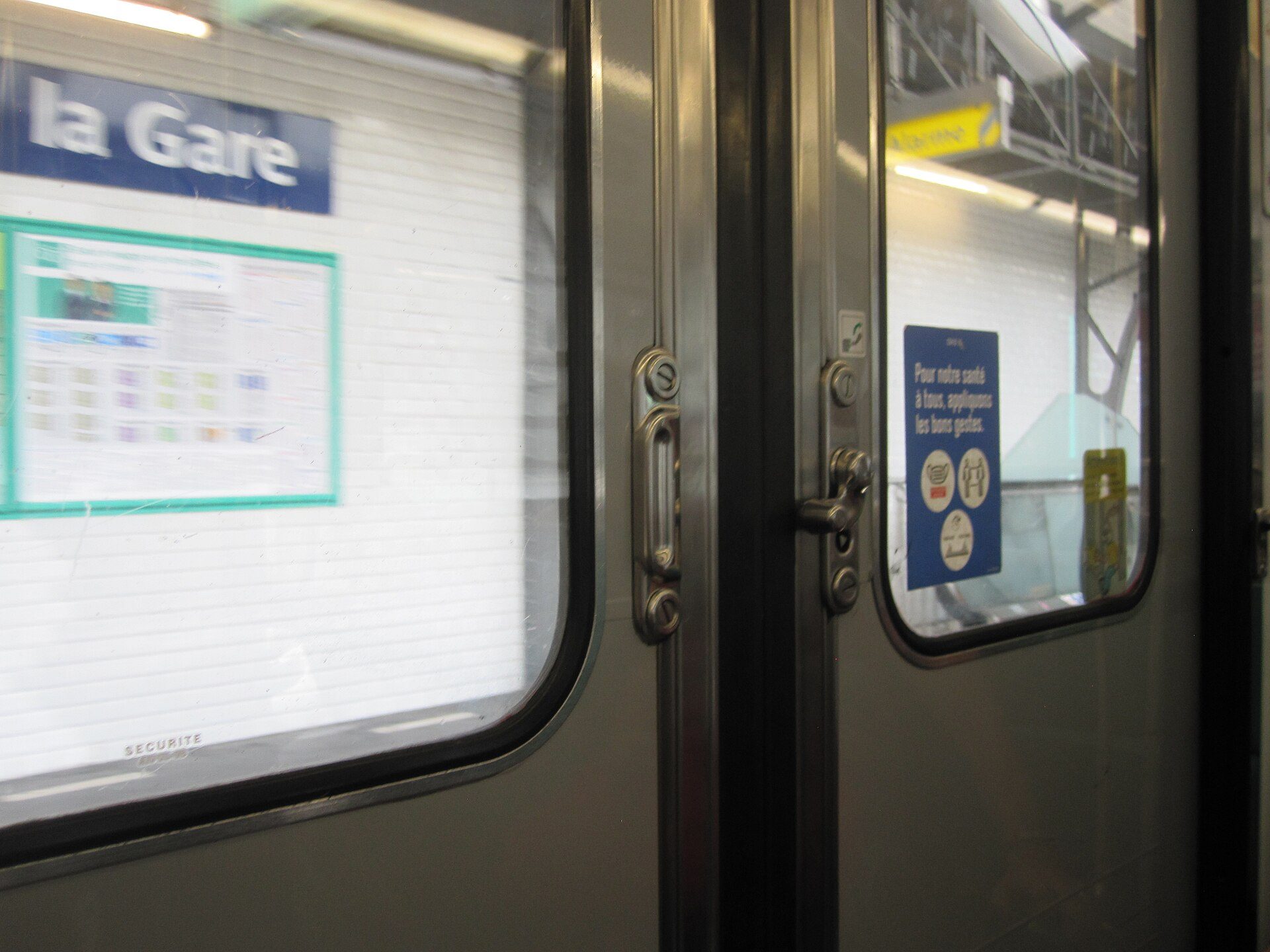
Paris Metro station interior
Photo by DiscoA340

FAQ

What shoes should I pack for Paris?
Default to comfortable walking shoes first. Add only one dressier or more weather-specific backup if the trip really needs it.
Do I need layers in Paris?
Usually yes. Even warm destinations often need lighter evening layers, and cooler destinations become much easier with flexible layering.