Weather guide - Norway - Europe

Weather in Oslo

May to September for the best daylight and easiest walking conditions.

Best time: May to September for the best daylight and easiest walking conditions.
Summer waterfront in Oslo
Photo by Kjetil Ree

Best time

May to September for the best daylight and easiest walking conditions.

Trip mindset

Plan around walking comfort, not only temperatures.

Packing logic

Match layers and shoes to the month, not just the destination.

Key takeaways

Weather patterns in Oslo

Use seasonality to shape the route, not just the packing list.

  • Best time is only the starting point
  • Rain, heat, or wind change daily pace
  • Walking comfort matters more than perfect averages

The best-known planning window for Oslo is May to September for the best daylight and easiest walking conditions.. That helps, but the real decision is how weather changes your energy, route shape, and tolerance for long outdoor blocks.

Short trips improve when you match major outdoor plans to the easiest conditions and keep indoor backups in reserve.

Weather does not need to ruin the trip. It only needs to be planned for honestly.
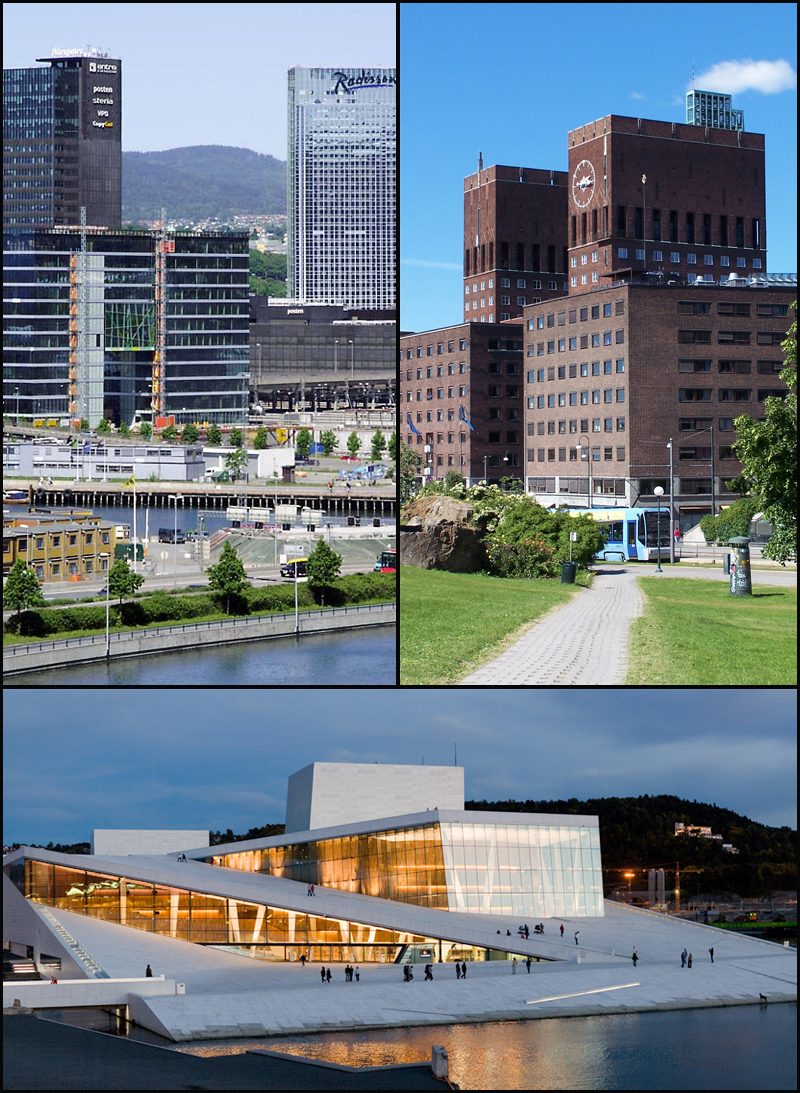
Central Oslo street scene
Photo by Wikimedia Commons contributor

January to June weather snapshot

First-half months usually decide spring and early summer pacing.

  • Jan: Cold and dark
  • Feb: Cold winter
  • Mar: Cold but brighter

Jan: Best for indoor-heavy itineraries.

Feb: Layering and daylight planning matter.

Mar: Early shoulder period for a quieter city.

Apr: The city starts opening back up outdoors.

May: A very good first-visit month.

Jun: Excellent harbor and walking season.

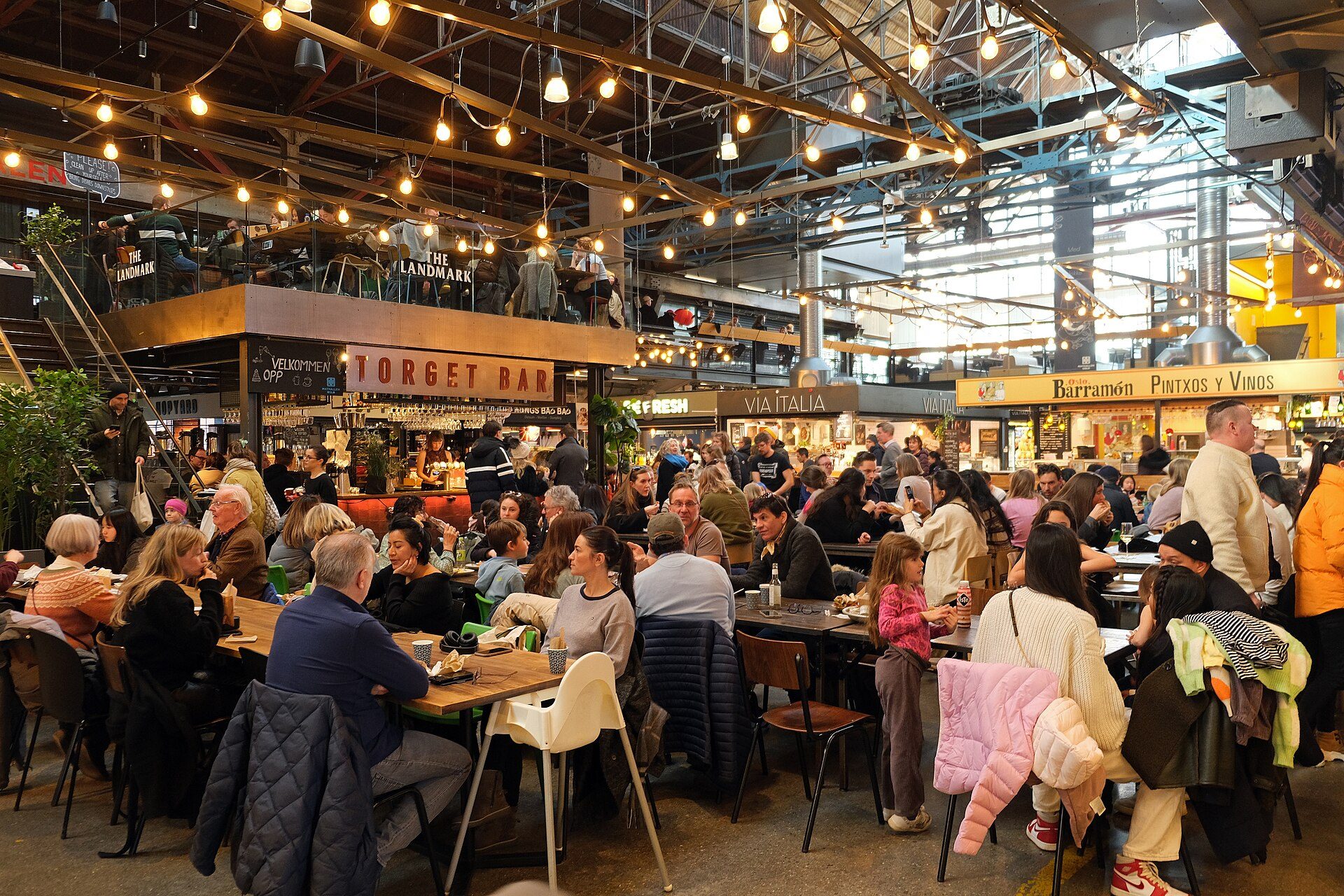
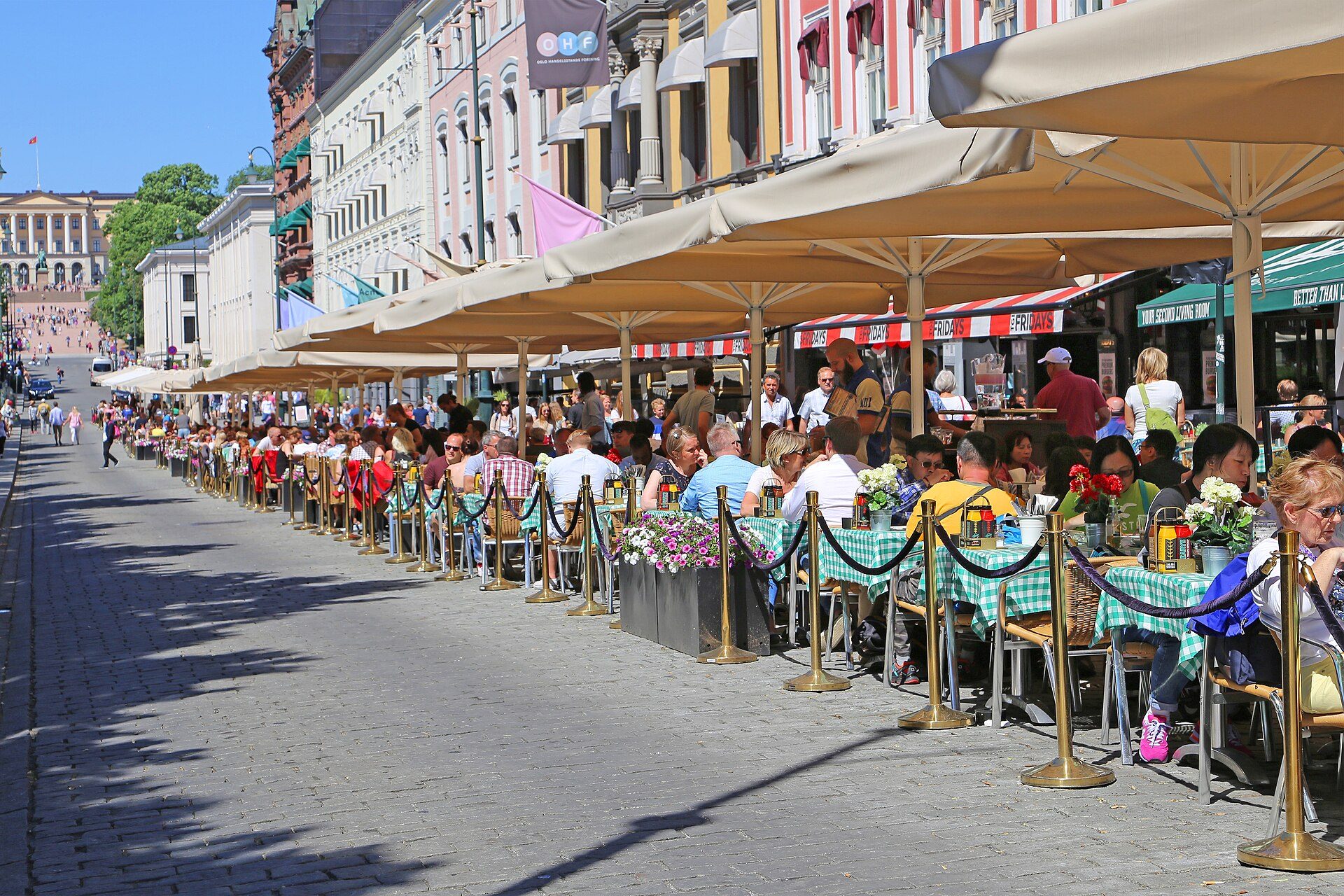
Restaurant or cafe scene in Oslo
Photo by Wikimedia Commons contributor

July to December weather snapshot

Second-half months shape late summer, autumn, and winter travel rhythm.

  • Jul: Warmest and most open
  • Aug: Warm and easy
  • Sep: Cool shoulder season

Jul: Peak outdoor season with long daylight.

Aug: One of Oslo's most comfortable months.

Sep: Good mix of value and daylight.

Oct: A good museum-plus-neighborhood month.

Nov: Short days return quickly.

Dec: Atmospheric, but more winter-bound.

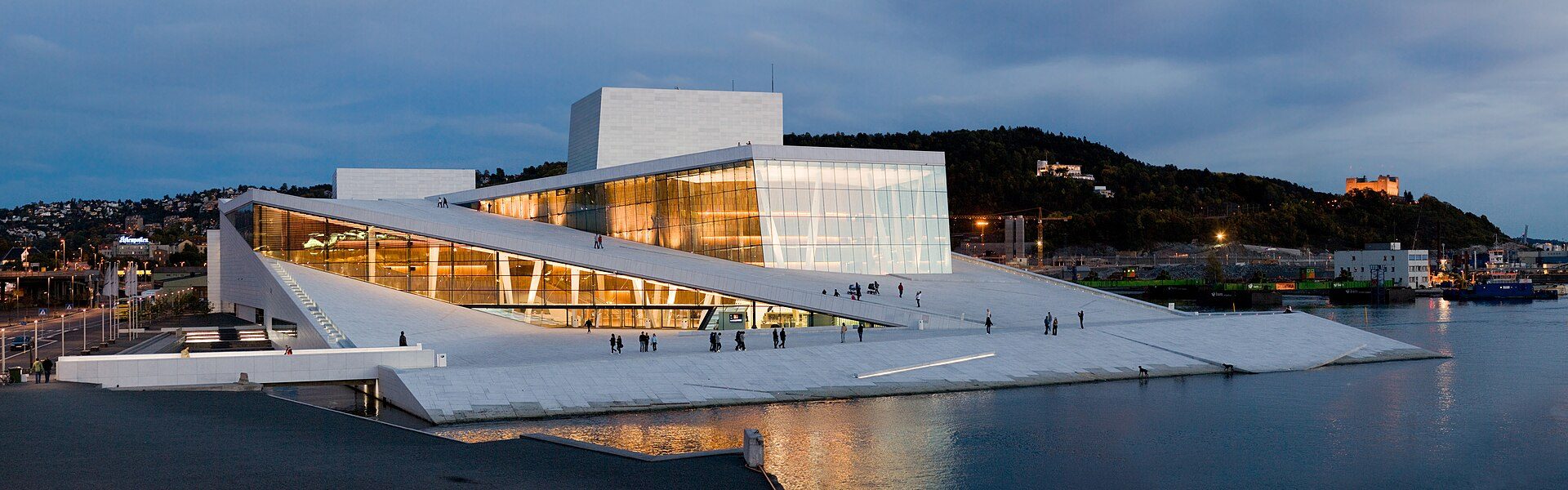
Major attraction in Oslo
Photo by Wikimedia Commons contributor

How weather changes sightseeing in Oslo

The right route changes with the season.

  • Outdoor anchors need a weather window
  • Transit time feels different in heat or rain
  • Evening plans often save the day

In Oslo, weather changes more than temperature. It changes walking speed, queue tolerance, and how ambitious the itinerary should be.

The strongest days usually start with one weather-sensitive anchor, then pivot into nearby indoor or flexible stops if conditions change.

Evening districts, covered markets, cafes, and museums are what keep the day useful when the forecast turns.

Evening scene in Oslo
Photo by Wikimedia Commons contributor

Why Oslo seasonality matters more than most city breaks

Light, temperature, and outdoor culture transform the city by season.

  • Summer is long-light, waterside, and very outdoor-friendly
  • Autumn is calm and good for museums and saunas
  • Winter can be dark but memorable if you lean into Nordic rhythm
  • Spring resets the city with easier walking and fjord energy

Oslo feels dramatically different between long summer evenings and darker winter days. In summer the city opens toward the waterfront, ferries, swimming areas, and outdoor dining. In winter it becomes more about museums, design, saunas, and embracing shorter daylight honestly.

That is why the best season depends heavily on whether you want urban outdoor life or a more atmospheric Nordic city experience.

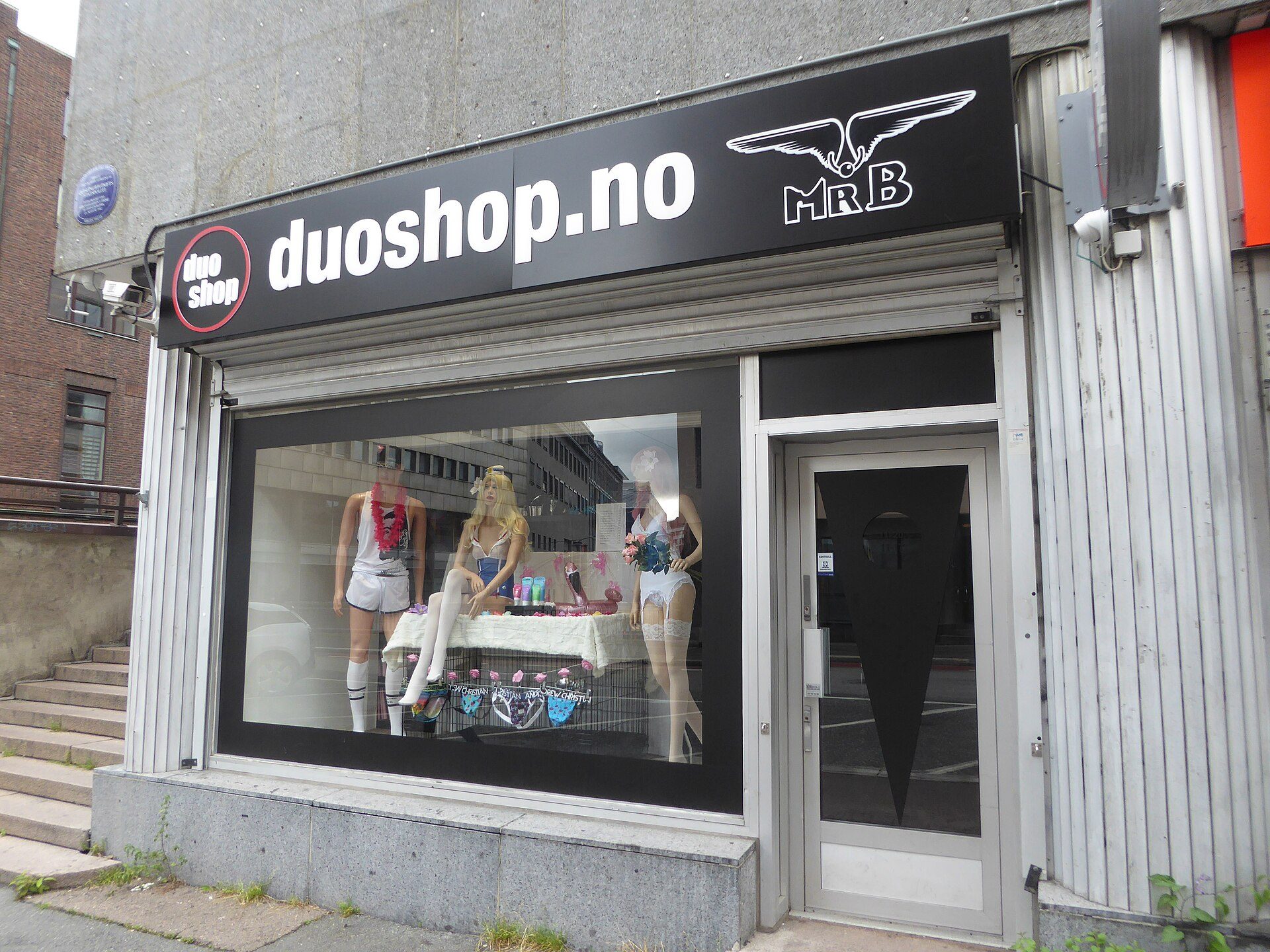
Shopping street scene in Oslo
Photo by Wikimedia Commons contributor

FAQ

What is the best month to visit Oslo?
May to September for the best daylight and easiest walking conditions.
Does weather change how I should plan Oslo?
Yes. Build one weather-sensitive outdoor anchor per day, then keep indoor backups and a flexible evening plan.