Food guide - Norway - Europe

Restaurants and cafes in Oslo

Oslo works best when you stop treating it as only a neat Nordic capital and instead build it as three clean layers: one central waterfront route, one museum-or-island layer, and one neighborhood evening that lets the city feel warmer and more specific than its calm reputation suggests.

Best time: May to September for the best daylight and easiest walking conditions.

Best areas

Sentrum and Grunerlokka

Main rule

Keep meals tied to the district you are already using.

Trip rhythm

One strong dinner and one well-timed cafe stop are usually enough.

Key takeaways

Where to eat and pause well in Oslo

Keep the list short, concrete, and tied to the districts you actually use.

  • Choose one lunch idea, one stronger dinner, and one cafe stop
  • Match food to the district, not the algorithm
  • Do not restart the whole route for every meal

In Oslo, first-time food planning usually works best around areas like Sentrum and Grunerlokka.

The goal is not to collect the longest list. It is to pick a few places that genuinely improve the day.

Schouskjelleren / central dining logic

Central Oslo

A strong first-trip dinner layer when one local-feeling meal matters.

Expect high Nordic city pricing.

Tim Wendelboe

Grunerlokka

A named coffee stop that gives Oslo more texture than hotel breakfast.

Expect high Nordic cafe pricing.
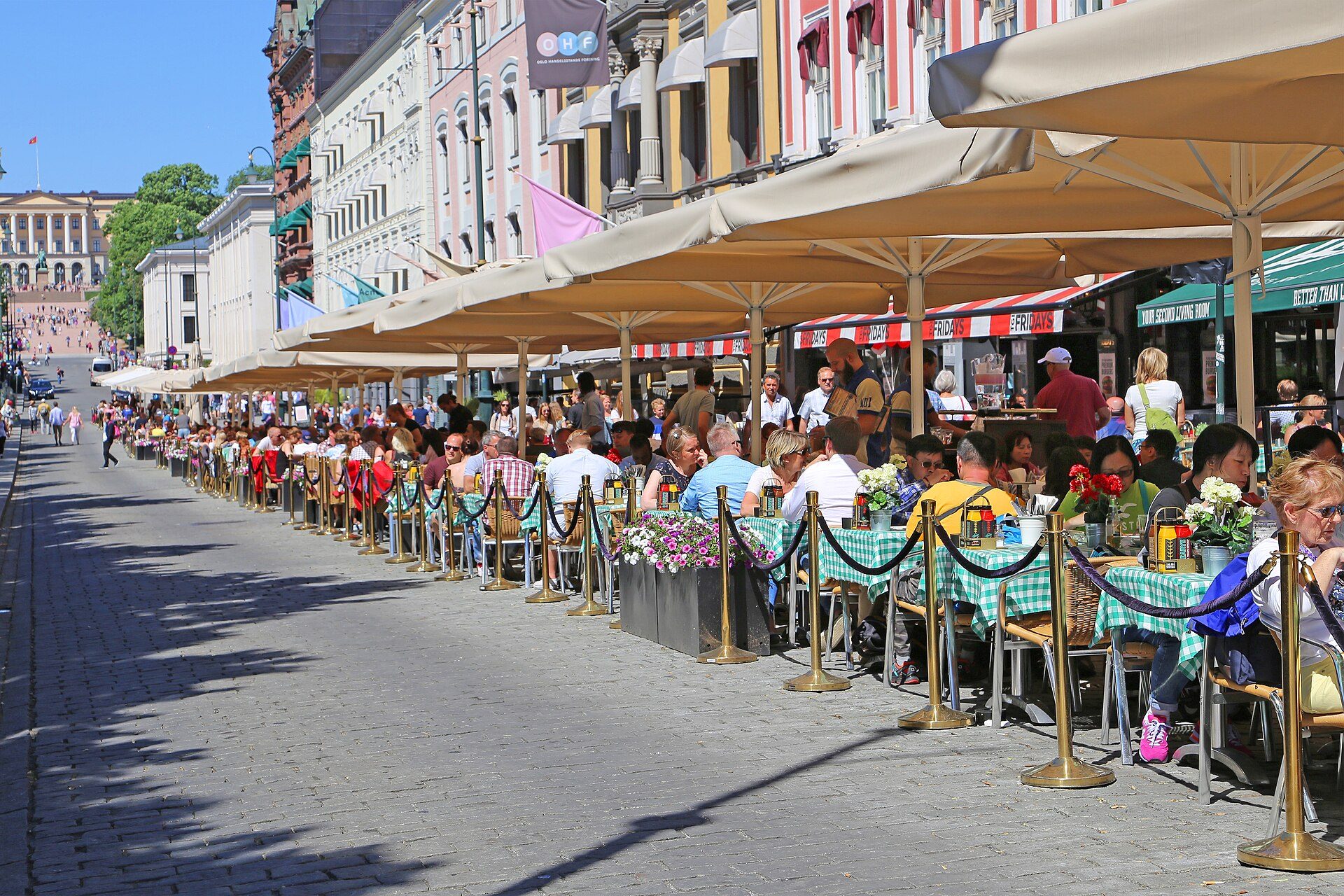
Central Oslo street scene
Photo by Wikimedia Commons contributor

How to build a better food day in Oslo

A short route with the right stops almost always beats a famous place in the wrong area.

  • Lunch near the daytime route
  • Dinner near the evening district
  • Use cafes for resets, not detours

The strongest meal plan usually means one clear dinner target and lighter stops that fit the walking pattern of the day.

If a famous place forces a long extra transfer, it often costs more energy than it gives back.

Cafe stops matter most when they help you recover before the next block of sightseeing.

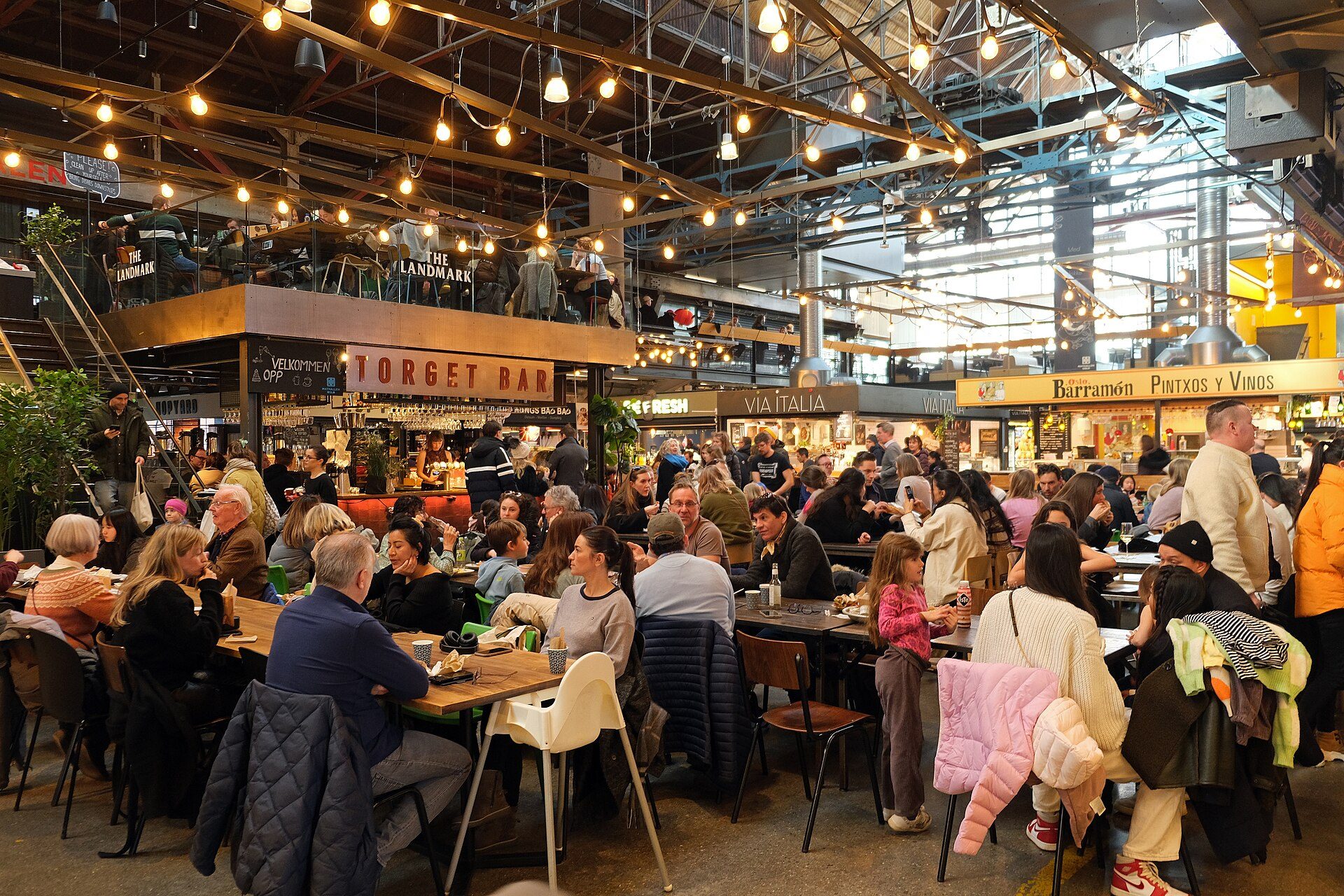
Restaurant or cafe scene in Oslo
Photo by Wikimedia Commons contributor

What to book and what to keep flexible

Protect the places that are hard to replace, and keep the rest adaptable.

  • Book only the meals that are central to the trip
  • Keep one fallback district in mind
  • Use markets and bakeries to control the budget

One or two named places are usually enough for a short trip.

Everything else should stay flexible so weather, queues, or energy level do not ruin the evening.

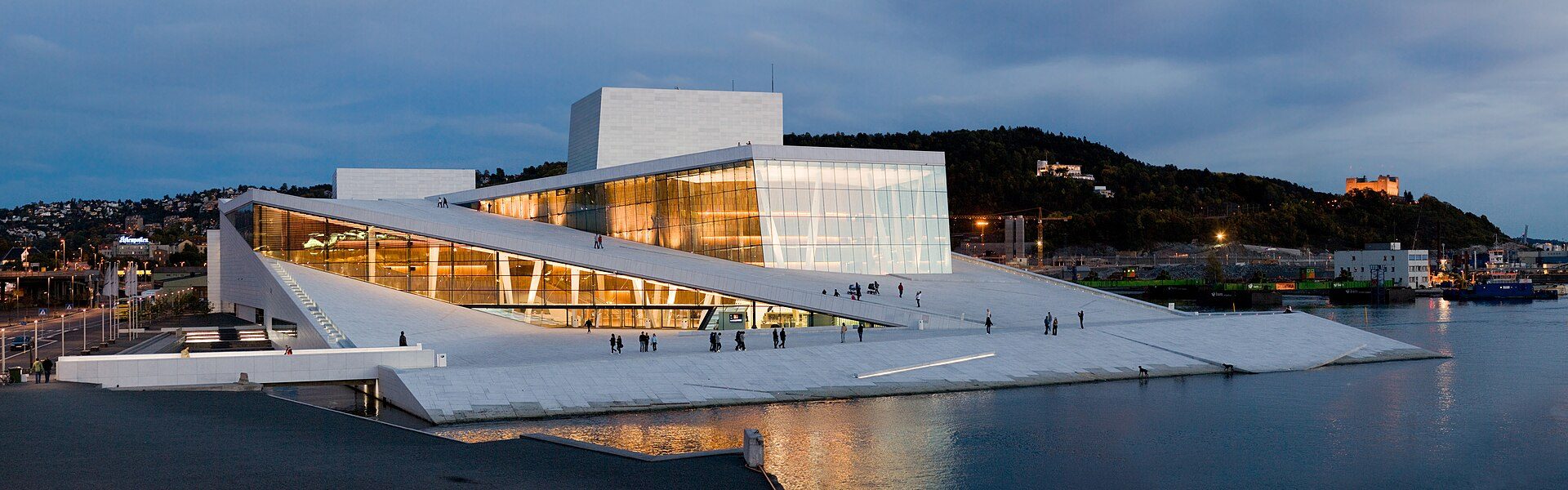
Major attraction in Oslo
Photo by Wikimedia Commons contributor

What to eat in Oslo beyond the budget shock

The city is expensive, so meal strategy matters more than in cheaper capitals.

  • Seafood, bakery culture, cinnamon buns, open sandwiches, and modern Nordic dining all matter
  • Use market lunches and bakery stops to balance stronger dinners
  • Pick one or two serious meals instead of spending blindly every day

Oslo can eat into the budget quickly, but the city becomes much more enjoyable when you plan food rhythm honestly. A bakery stop, casual lunch, and one stronger dinner often works better than trying to dine big at every meal.

Casual meals can start around NOK 180 to 320, while polished seafood or modern Nordic dinners can move far beyond that depending on the venue.

Evening scene in Oslo
Photo by Wikimedia Commons contributor

FAQ

Where should I eat in Oslo on a first trip?
Start with the districts already in your route, especially Sentrum and Grunerlokka, and use one lunch idea, one stronger dinner, and one cafe stop rather than trying to cover the whole city.
Do I need restaurant reservations in Oslo?
Usually only for the places that are genuinely difficult to get into or especially important to you.