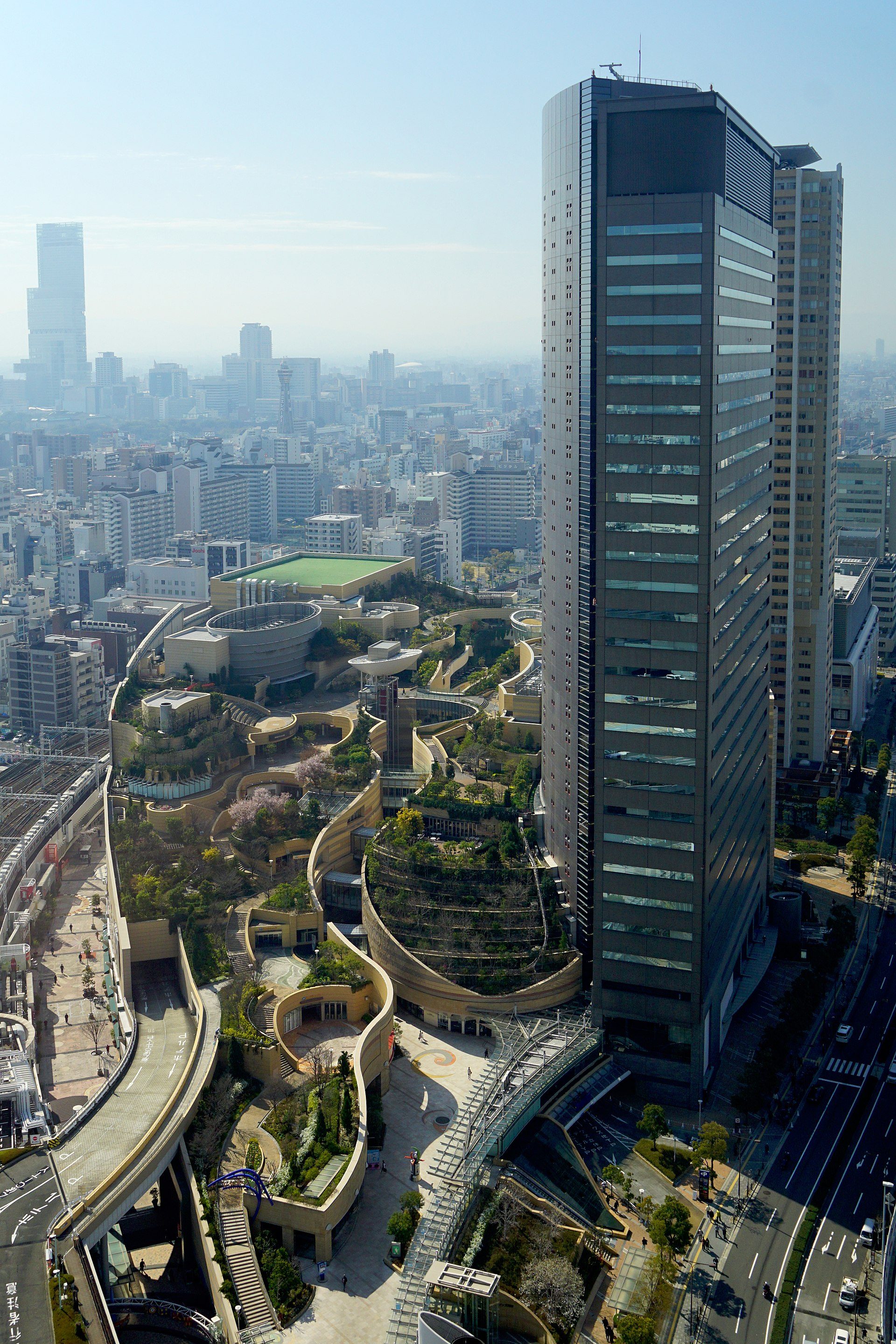
Theater guide - Japan - Asia

Theaters in Osaka

Osaka works best when you respect the north-and-south split: Kita for polished dining and business-center ease, Minami for neon and street rhythm, and one separate cultural layer like the castle or a day trip rather than pretending every piece of Osaka belongs in one endless food crawl.

Best time: March to May and October to November for the strongest balance of weather and city pace.
Namba street scene in Osaka
Photo by

Best evening areas

Namba, Umeda, and Tennoji

Main rule

Treat the performance as the whole evening anchor.

Trip rhythm

Pair one nearby dinner with one venue and one easy route back.

Key takeaways

Top theaters and performance venues in Osaka

These are the named venues worth checking before you lock the evening.

  • Pick the venue first, then dinner
  • Use the city's real strengths
  • Check the return route before booking

In Osaka, theater works best when it is built into the evening route rather than added on top of a fully packed day.

One strong performance night usually does more for the trip than several half-planned evening bookings.

Bunraku or Namba cultural-evening layer

Osaka

A practical cultural anchor if one night should feel more formal and specifically Kansai.
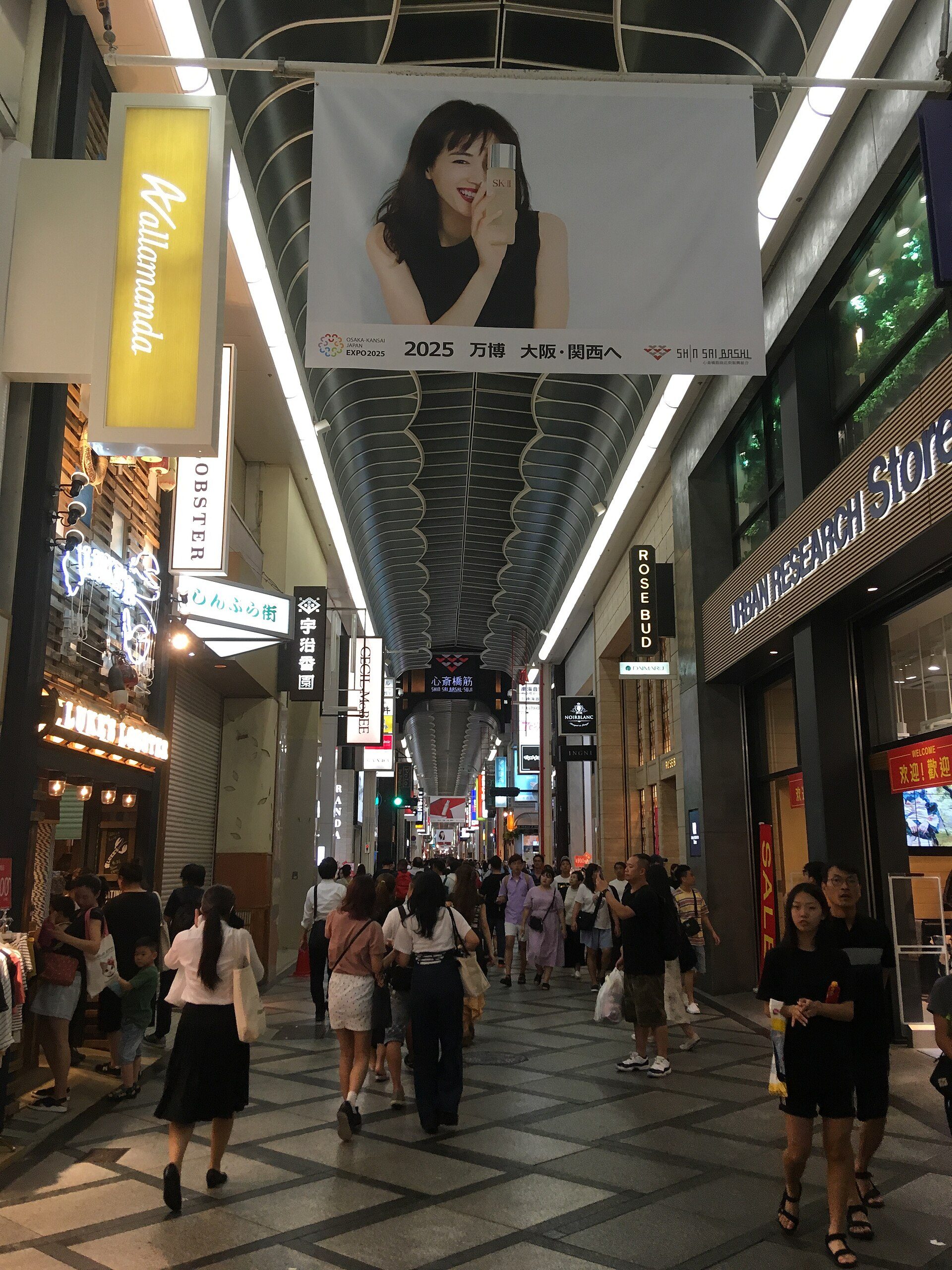
Shopping street in Osaka
Photo by Fabio Achilli from Milano, Italy

How to plan a theater night in Osaka

A good performance plan starts with location and timing.

  • Pick one venue area
  • Check return transport first
  • Treat the performance as the evening anchor

Districts such as Namba, Umeda, and Tennoji often matter as much as the venue itself, because dinner, transport, and the return route shape the whole night.

One strong performance night usually does more for the trip than trying to fit multiple formal evening plans into a short stay.

The best theater evenings feel simple: one area, one meal, one performance, one easy return.

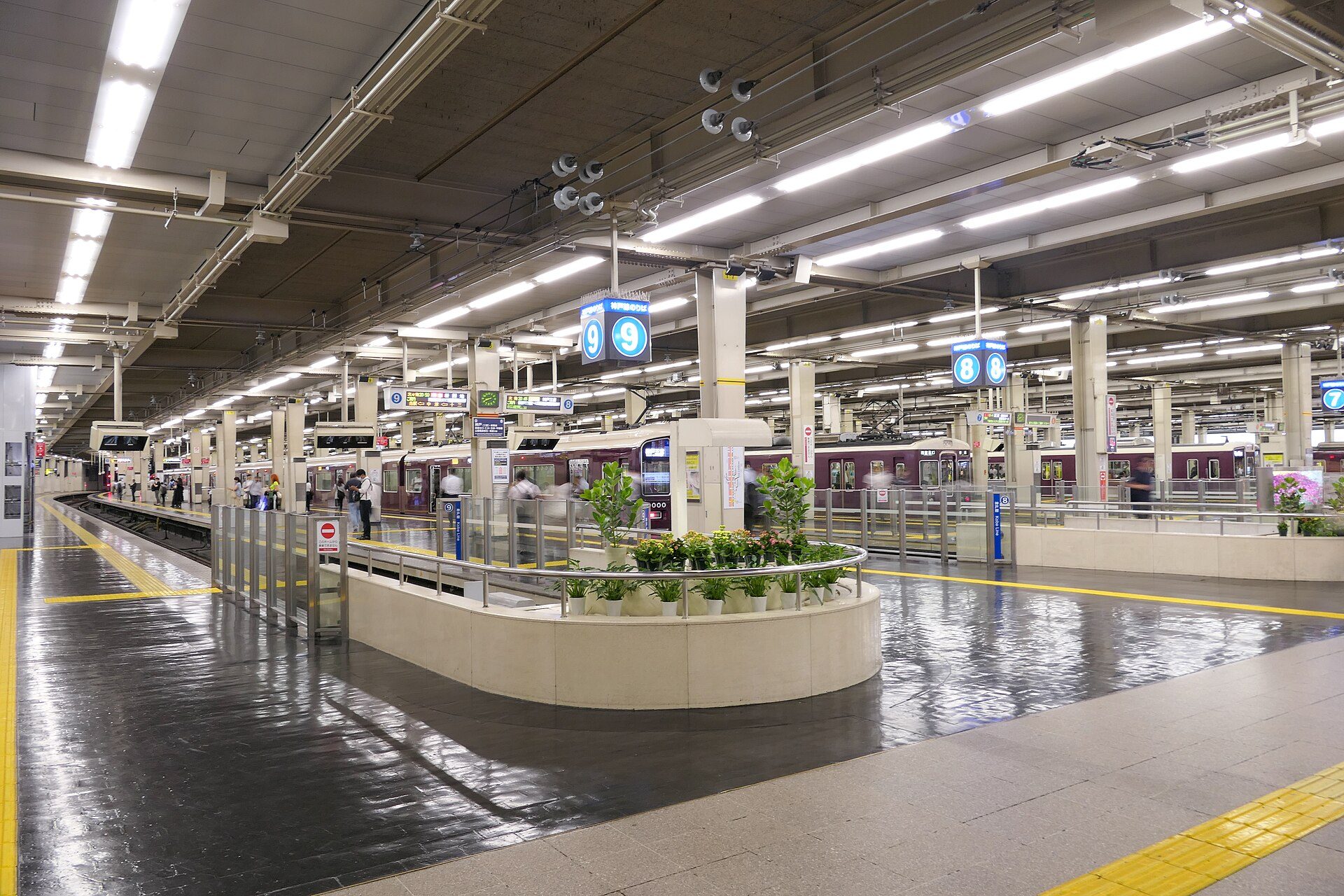
Central Osaka street scene
Photo by そらみみ

Choosing between theater, opera, musicals, and live shows

The right format depends on the city and your energy.

  • Use the city's real strengths
  • Do not force the same evening format everywhere
  • Book only what matters

Some cities reward opera and classical venues, others are stronger for musicals, smaller live stages, or contemporary performance spaces.

The smartest choice is usually the format that feels natural to the city rather than the most familiar option from home.

A theater night should fit the tone of the trip, not fight it.

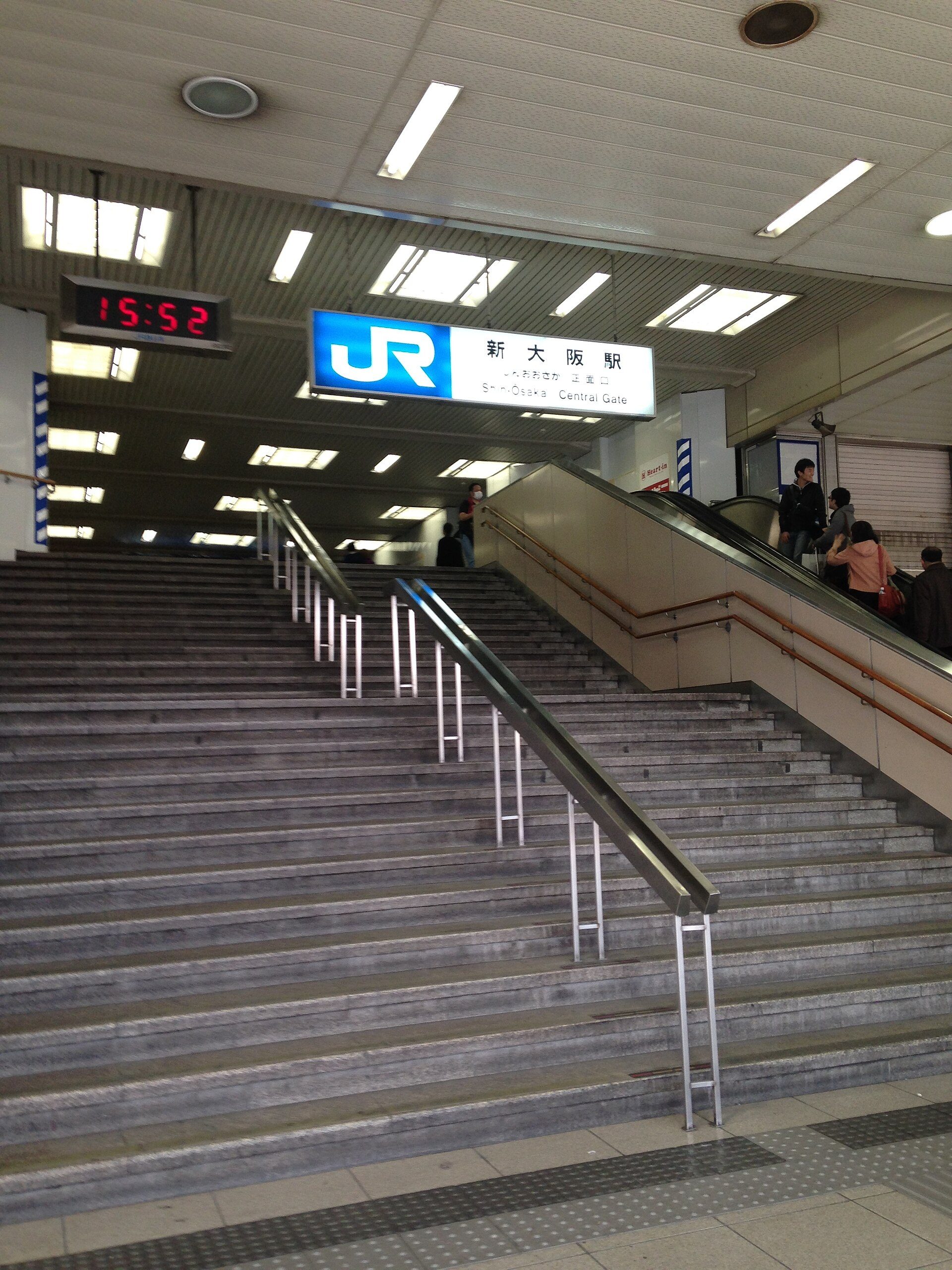
Transit scene in Osaka
Photo by MaedaAkihiko

Best districts to pair with theaters in Osaka

A smoother evening starts with a good pre-show area.

  • Eat nearby
  • Keep the walk simple
  • Let one district carry the whole night

Pre-show dinners usually work best close to the venue area rather than in a completely different district.

If the performance ends late, staying near one strong neighborhood makes the night much easier to finish well.

The best theater nights often feel simple: one area, one meal, one performance, one easy way back.

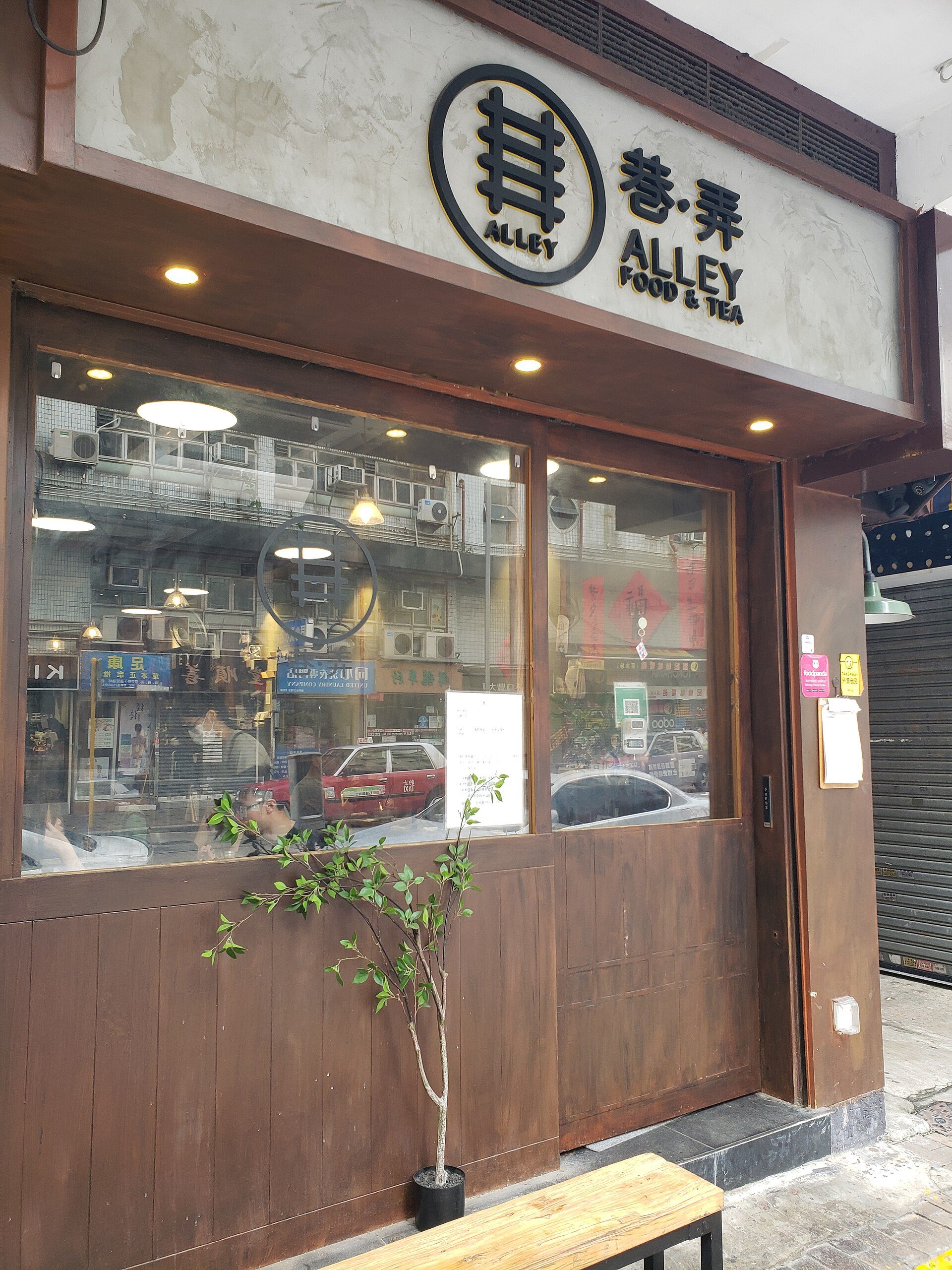
Restaurant or food scene in Osaka
Photo by Andy Li

Common mistakes with theater planning

Most bad performance nights are really routing mistakes.

  • Do not overschedule before curtain time
  • Check dress expectations only if needed
  • Know the last easy ride home

The biggest mistake is arriving at a performance already drained from an oversized sightseeing day.

Another common issue is ignoring timing around dinner, bag policies, or the final trip back to the hotel after the show.

A calmer pre-show plan usually creates the better night.

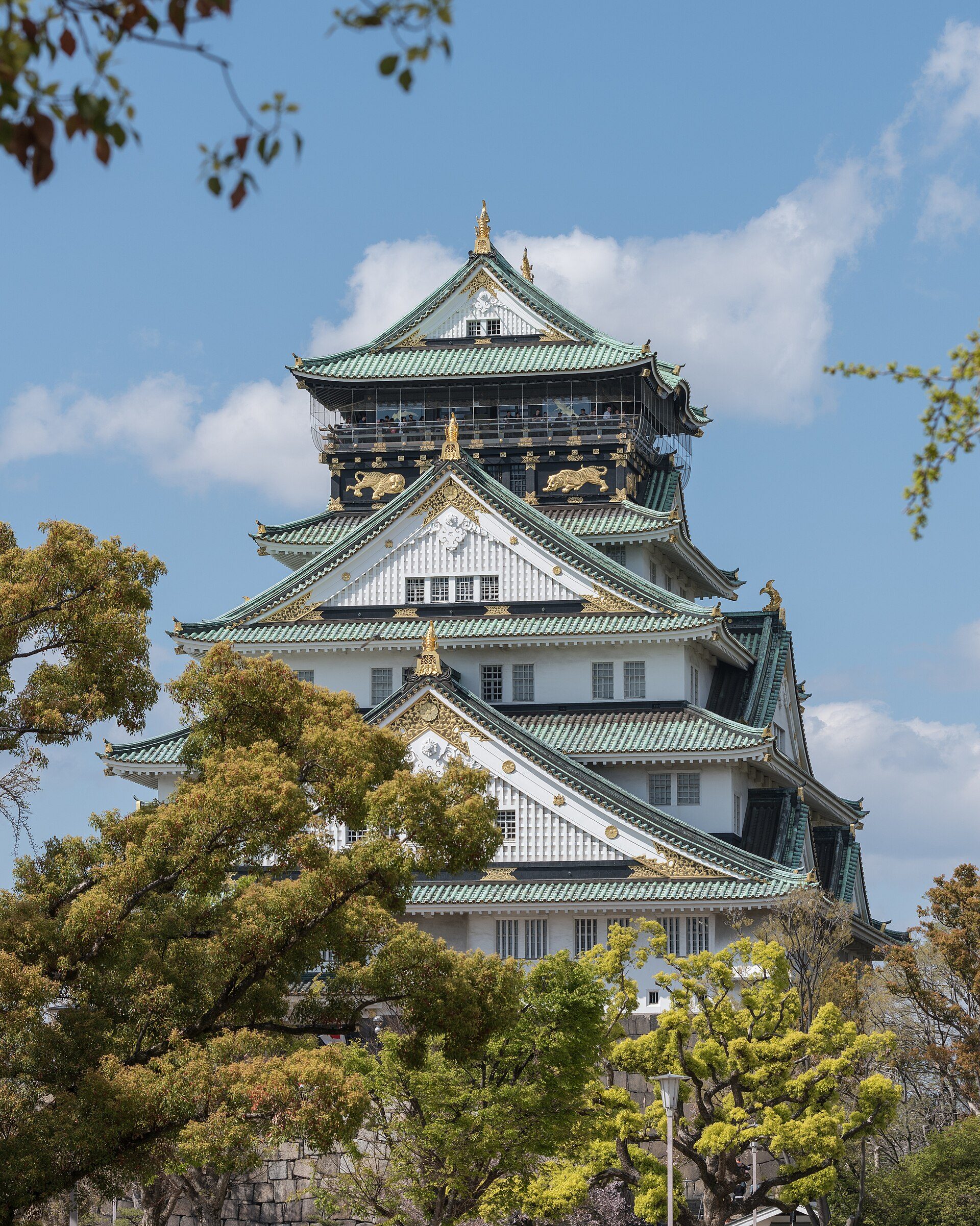
Major attraction in Osaka
Photo by DXR

FAQ

Should I book theater tickets in Osaka in advance?
Book in advance if the performance is important to the trip or the city is known for high-demand venues. Otherwise, one flexible evening can still work well.
Where should I stay for theater nights in Osaka?
Try to stay in or near the districts that already support your evening plans, especially Namba, Umeda, and Tennoji, so dinner and the return route stay simple.