Transport guide - Germany - Other

Transport in Munich

Walk the old core, use trams for surface-level district moves, use U-Bahn for the clearest inner-city jumps, and keep S-Bahn mainly for the airport, larger radial moves, and outer districts. Munich works best when each day stays district-based instead of trying to outsmart the map.

Best time: May to September for easier park time, outdoor dining, and cleaner city pacing.
Munich tram in the city center
Photo by Flocci Nivis

Airport arrival

The S-Bahn is the default airport transfer for most first-time Munich stays because it plugs directly into the same system you will use in the city. A taxi becomes more reasonable mainly for very late arrivals, a luggage-heavy family transfer, or a hotel with an awkward final leg.

Local transit

Walk the old core, use trams for surface-level district moves, use U-Bahn for the clearest inner-city jumps, and keep S-Bahn mainly for the airport, larger radial moves, and outer districts. Munich works best when each day stays district-based instead of trying to outsmart the map.

Main rule

Group each day by area and use the simplest route.

Key takeaways

How transport works in Munich

Match the route to the shape of the city, not just the map.

  • Group the day by area
  • Use the simplest transfer
  • Let walking and transit support each other

Walk the old core, use trams for surface-level district moves, use U-Bahn for the clearest inner-city jumps, and keep S-Bahn mainly for the airport, larger radial moves, and outer districts. Munich works best when each day stays district-based instead of trying to outsmart the map.

Munich works best through one compact district route with walking and short U-Bahn hops, not broad all-day movement. A direct transfer into the center or another route-matching base is the cleanest first move because Munich weakens when the hotel sits away from the useful core.

Most transport problems come from forcing too many district changes into one day rather than from the system itself.
Munich tram in the city center
Photo by Flocci Nivis

Airport transfers and first-day movement

Your arrival decision shapes the whole first day.

  • Do not over-optimize the cheapest route
  • Check the final hotel connection
  • Keep one backup option

The S-Bahn is the default airport transfer for most first-time Munich stays because it plugs directly into the same system you will use in the city. A taxi becomes more reasonable mainly for very late arrivals, a luggage-heavy family transfer, or a hotel with an awkward final leg.

Airport transfers only feel easy when the final hotel leg is realistic. A direct transfer can be worth it if the rail or bus answer turns awkward after a long flight.

A calmer first transfer usually protects the energy you need for the rest of day one.

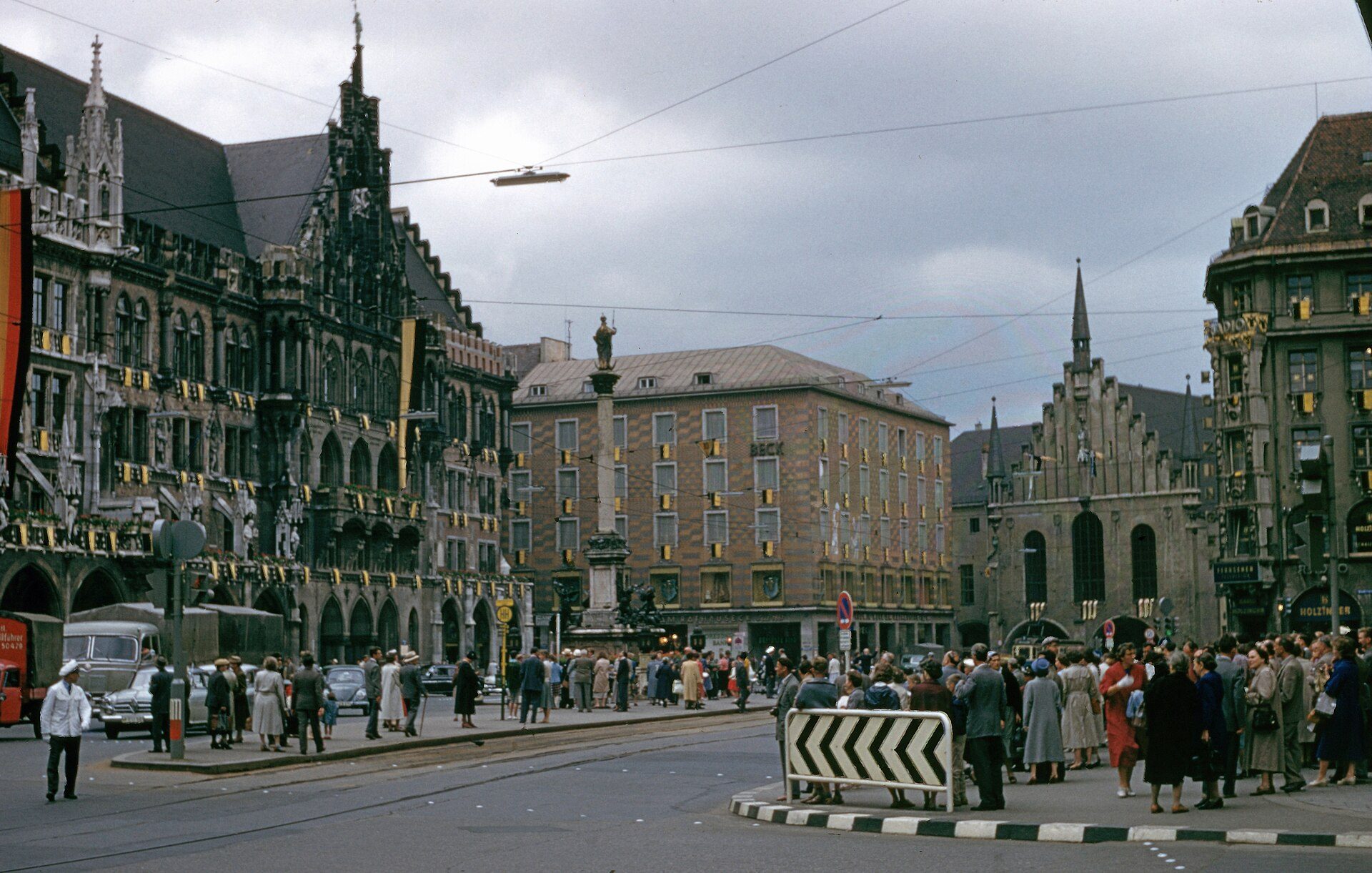
Marienplatz in Munich
Photo by foundin_a_attic

Best way to move around Munich each day

Use the city system as a tool, not as the whole plan.

  • One corridor or district cluster at a time
  • Use direct rides selectively
  • End near dinner or the hotel

The easiest urban days usually pair one strong walking district with one transit-supported move rather than repeating long back-and-forth journeys.

If the local system is direct, use it. If the final leg becomes awkward, paying for one clean ride can be the better decision.

Good transport planning is really route planning: fewer crossings, fewer transfers, and fewer dead miles.

English Garden in Munich
Photo by Flocci Nivis

Passes, tickets, and what to check before buying

The cheapest fare is not always the smartest fare.

  • Count real rides, not imagined rides
  • Airport tickets may use different rules
  • Short trips need simple logic

Many visitors overbuy transit passes before they understand how many rides they will actually take.

Airport fares, regional lines, and tourist cards often follow different rules, so check those before buying anything that looks like an all-in-one answer.

For short city breaks, simplicity usually beats tiny savings.

Viktualienmarkt in Munich
Photo by Flocci Nivis

How to move around Munich without wasting time

The right mode changes by district, not by habit.

  • Walk the old core and market area
  • Use trams for elegant inner-city jumps
  • Use U-Bahn for direct underground moves and S-Bahn for airport or longer radial travel

Munich looks walkable on a map, but the best city days usually mix walking with one or two well-chosen transit legs. Walking every major district in one day tends to flatten the trip instead of deepening it.

Trams are especially useful when you want to keep the city visible while moving between central zones. The U-Bahn is better once the goal is speed, and the S-Bahn matters most for the airport and longer rail-shaped moves.

The main mistake is treating all four systems as equal. In practice, each one has a cleaner role.

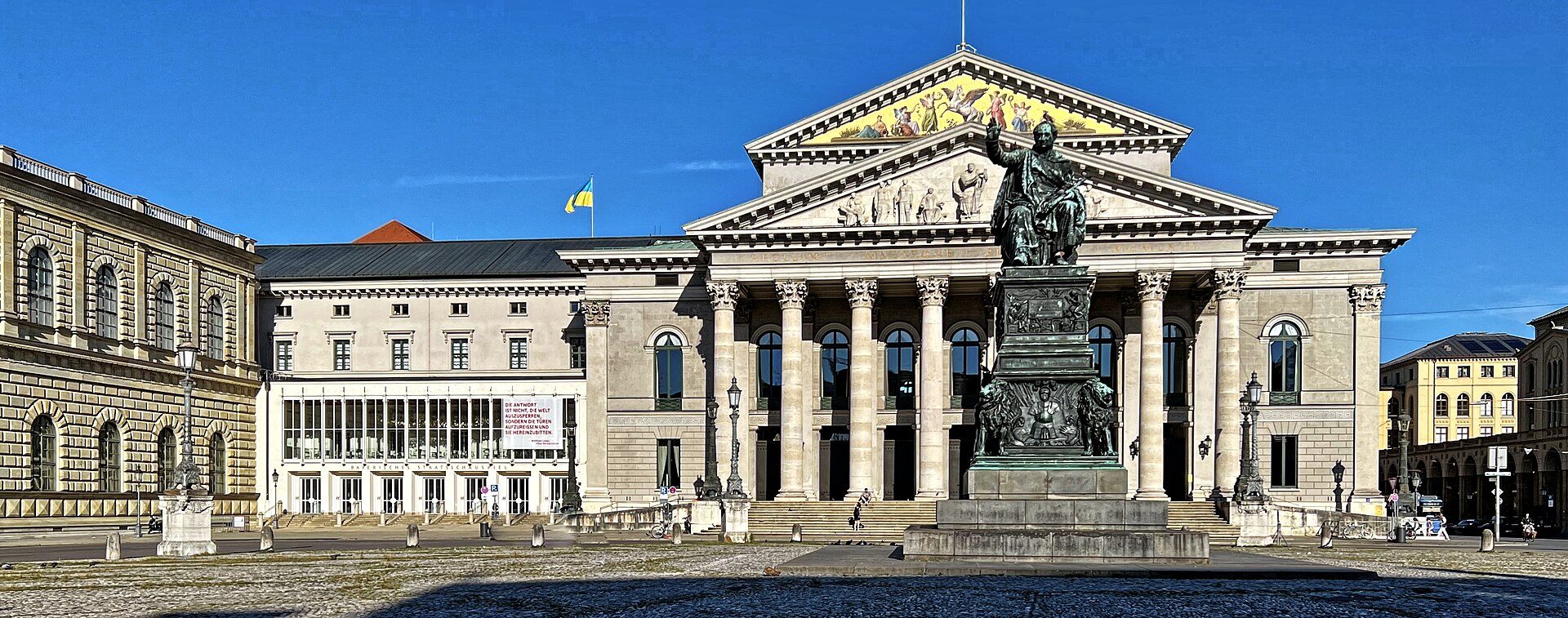
Bayerische Staatsoper in Munich
Photo by Burkhard Mücke

When a day pass is worth it in Munich

Buy for the route you built, not for an imaginary maximum-efficiency day.

  • A light center day does not always need a pass
  • Airport plus several rides changes the math
  • The pass matters only if you will actually use it

If day one is airport, hotel, Marienplatz, Viktualienmarkt, and dinner, your ticket strategy may look different from a day built around museums, Schwabing, and a formal evening. Not every day needs the same answer.

Once you expect several rides or you are moving between the core and outer attractions, the day pass becomes easier to justify because it removes small decision friction from the day.

The more important rule is still geographic: build one clean district day first, then buy the ticket that fits it.

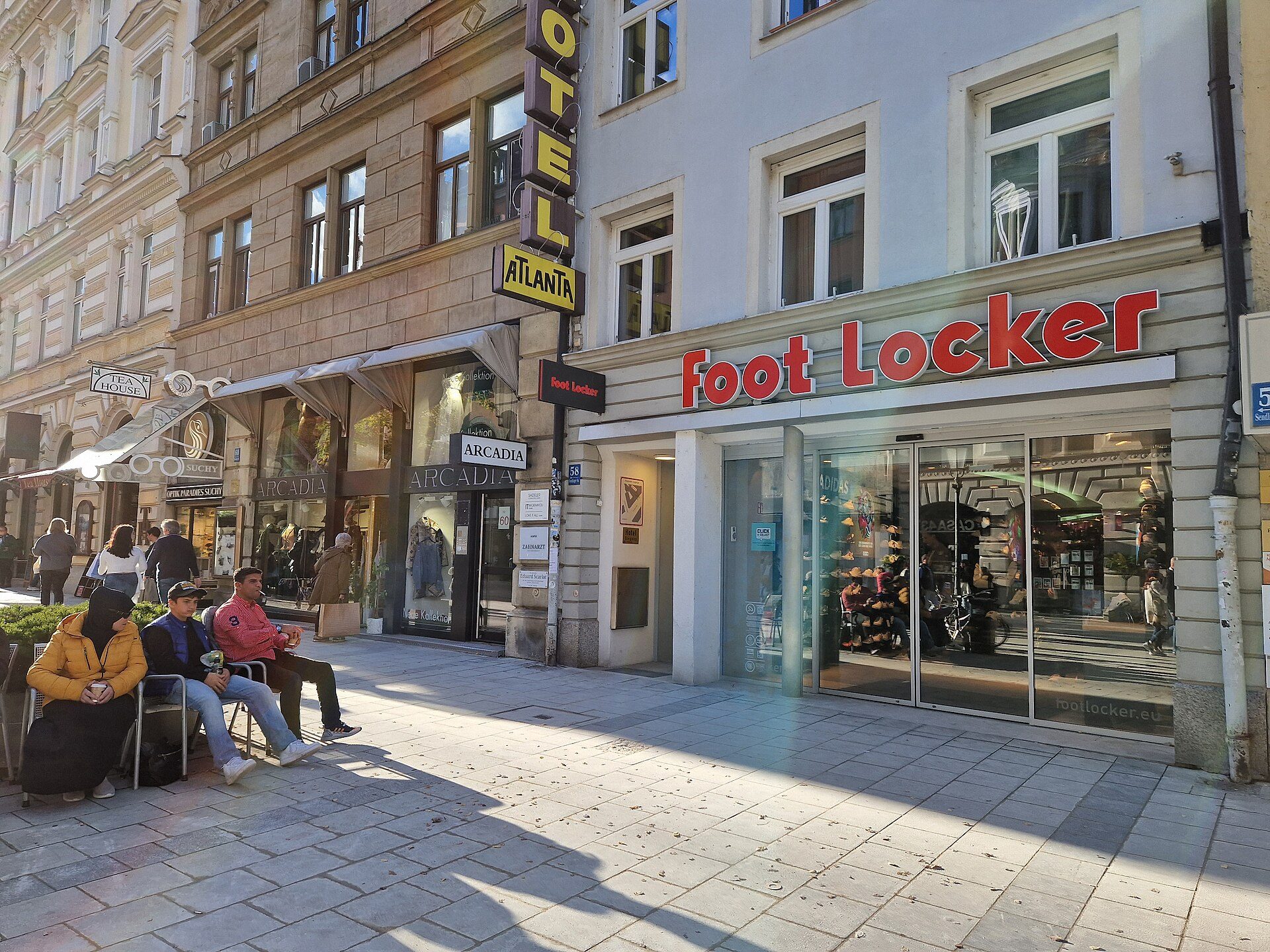
Shopping street in Munich
Photo by Strubbl

FAQ

What is the best way to get around Munich?
Walk the old core, use trams for surface-level district moves, use U-Bahn for the clearest inner-city jumps, and keep S-Bahn mainly for the airport, larger radial moves, and outer districts. Munich works best when each day stays district-based instead of trying to outsmart the map.
Should I buy a transit pass in Munich?
Only if the number of planned rides clearly justifies it. Many short trips work better with simple pay-as-you-go logic.