Things to do - Germany - Other

Things to Do in Munich

Munich works best when you build it as one old-center route, one museum-or-park layer, and one dinner evening instead of flattening it into only beer shorthand and polished orderliness.

Best time: May to September for easier park time, outdoor dining, and cleaner city pacing.

Top highlights

Marienplatz, English Garden, and Residenz

Best areas

Altstadt, Maxvorstadt, and Glockenbach

Trip rhythm

One anchor attraction per day, then add walkable neighborhood loops.

Key takeaways

What to prioritize in Munich

Pick a few high-payoff experiences and build the trip around them.

  • Start with signature landmarks
  • Balance tickets with neighborhoods
  • Leave room for food and evenings

The core shortlist for Munich usually starts with Marienplatz, English Garden, and Residenz.

The best city days combine one anchor attraction with street-level wandering, meals, and a neighborhood loop rather than stacking tickets back-to-back.

Use areas like Altstadt, Maxvorstadt, and Glockenbach to shape the pace of the day instead of treating the map like a checklist.
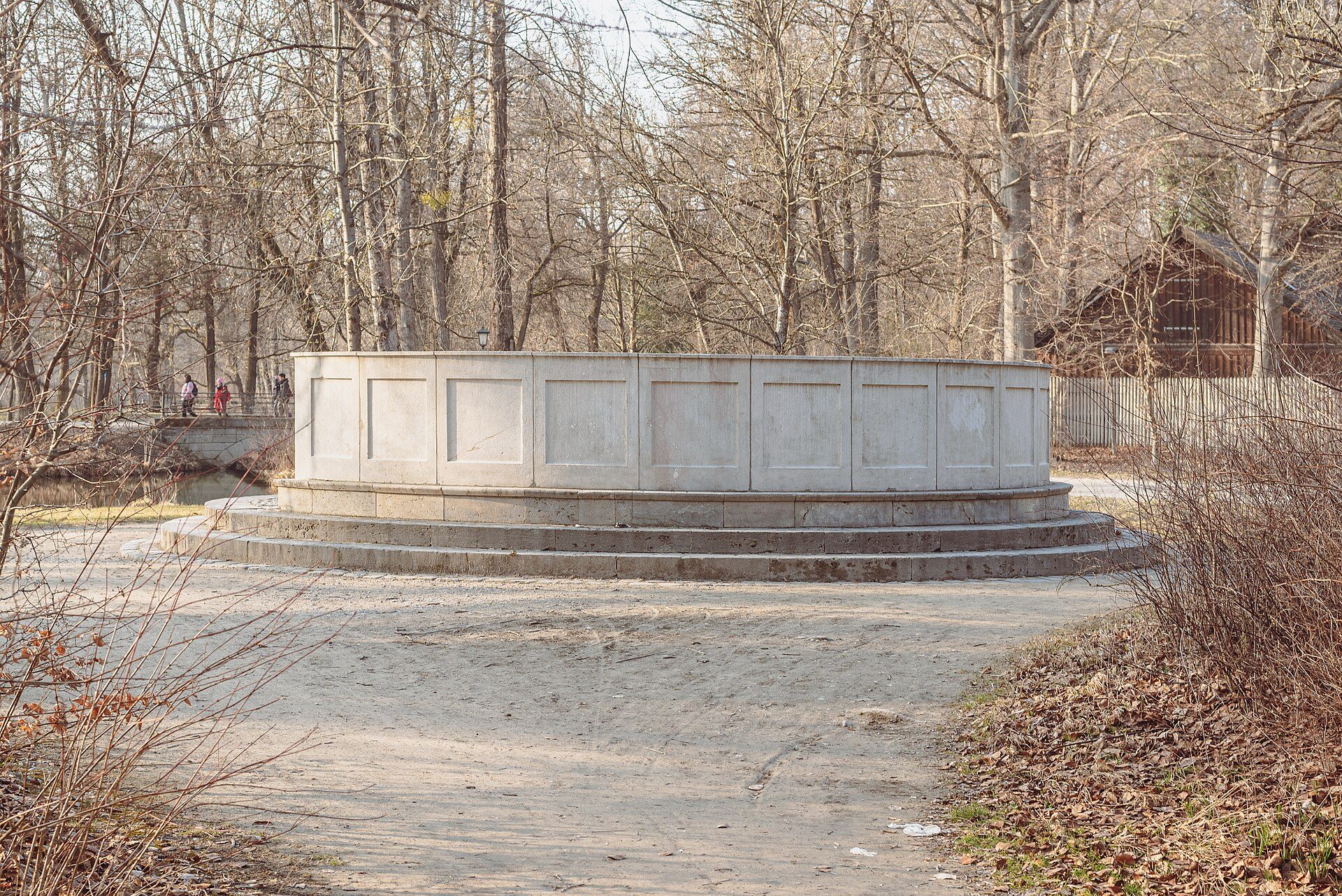
English Garden in Munich
Photo by Flocci Nivis

How to plan your first 48 hours

Start with two compact zones

  • Anchor each day around one hub
  • One ticketed highlight per day
  • Keep evenings flexible

Munich works best when you plan by compact zones and avoid zig-zagging across the map. Anchor each day around one primary neighborhood, then add one or two nearby stops that fit your pace.

Prioritize one ticketed highlight per day in Munich, then fill the rest with walking, markets, and viewpoints. This keeps the schedule realistic and leaves space for spontaneous detours.

Evenings in Munich are often the most memorable part of the trip. Keep them flexible so you can follow the vibe, whether that is a riverside walk, a casual dinner, or a local market.

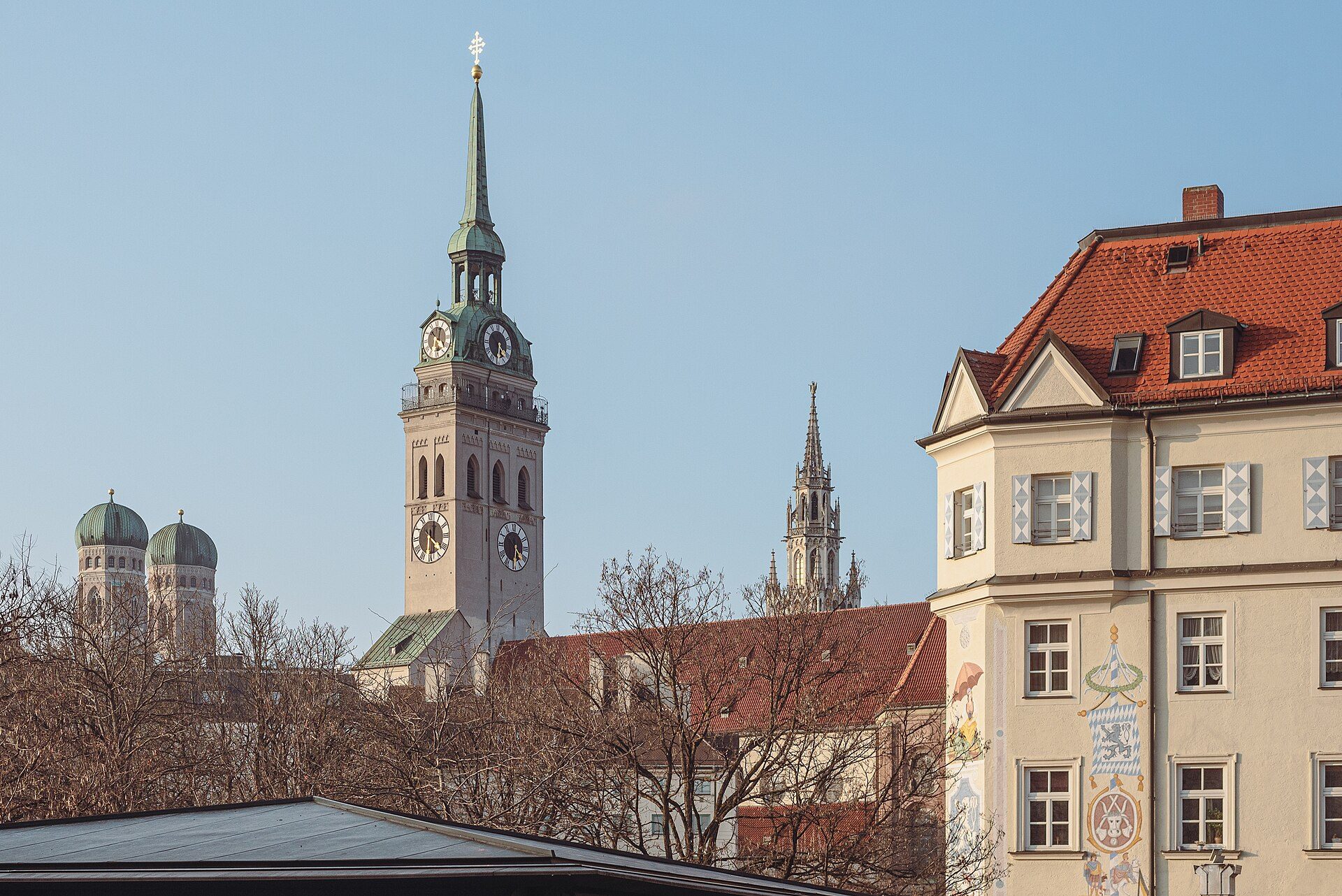
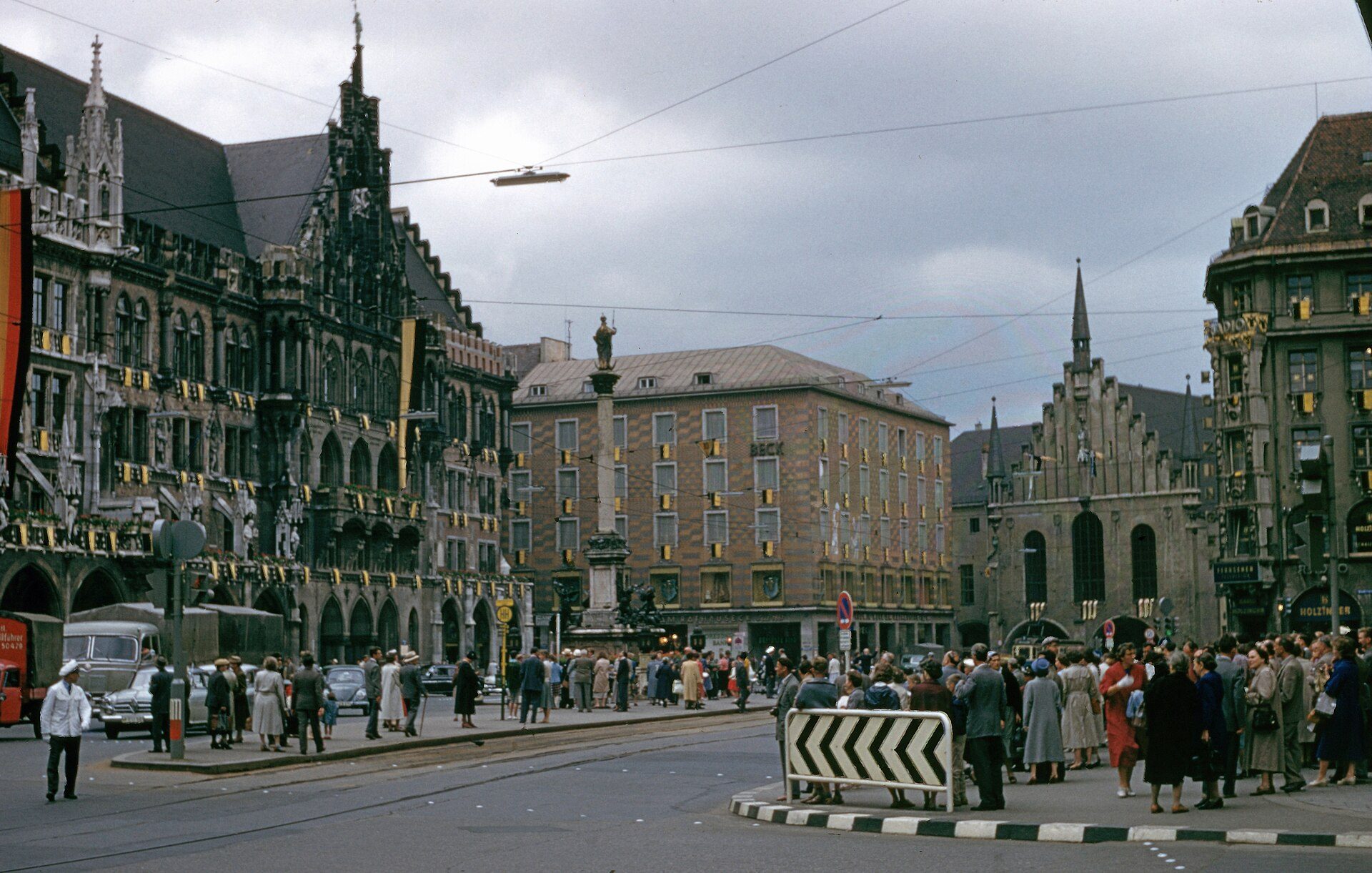
Marienplatz in Munich
Photo by foundin_a_attic

Arrival and airport transfers you can trust

Know the fastest rail options

  • Anchor each day around one hub
  • One ticketed highlight per day
  • Keep evenings flexible

Munich works best when you plan by compact zones and avoid zig-zagging across the map. Anchor each day around one primary neighborhood, then add one or two nearby stops that fit your pace.

Prioritize one ticketed highlight per day in Munich, then fill the rest with walking, markets, and viewpoints. This keeps the schedule realistic and leaves space for spontaneous detours.

Evenings in Munich are often the most memorable part of the trip. Keep them flexible so you can follow the vibe, whether that is a riverside walk, a casual dinner, or a local market.

Munich tram in the city center
Photo by Flocci Nivis

Where to stay and how to choose a base

Pick a neighborhood that matches your pace

  • Anchor each day around one hub
  • One ticketed highlight per day
  • Keep evenings flexible

Munich works best when you plan by compact zones and avoid zig-zagging across the map. Anchor each day around one primary neighborhood, then add one or two nearby stops that fit your pace.

Prioritize one ticketed highlight per day in Munich, then fill the rest with walking, markets, and viewpoints. This keeps the schedule realistic and leaves space for spontaneous detours.

Evenings in Munich are often the most memorable part of the trip. Keep them flexible so you can follow the vibe, whether that is a riverside walk, a casual dinner, or a local market.

Viktualienmarkt in Munich
Photo by Flocci Nivis

Three Munich routes that actually feel different

A good first trip needs one old-town day, one greener day, and one culture-or-evening block.

  • Classic day: Marienplatz, Viktualienmarkt, Residenz, old-town lanes
  • Open-air day: English Garden, Schwabing, slower cafes, long dinner
  • Culture day: museum district, a calmer lunch, then theater or opera

If you only have two days, make day one the old-town and market day because Munich needs that first orientation pass. Then decide whether day two should lean greener and slower or more cultural and indoor.

With three days, the city gets better because you no longer have to force parks, museums, and formal evenings into the same tiring block. Munich rewards separation of moods.

The city starts to feel rich once you stop trying to prove how much you can fit in.

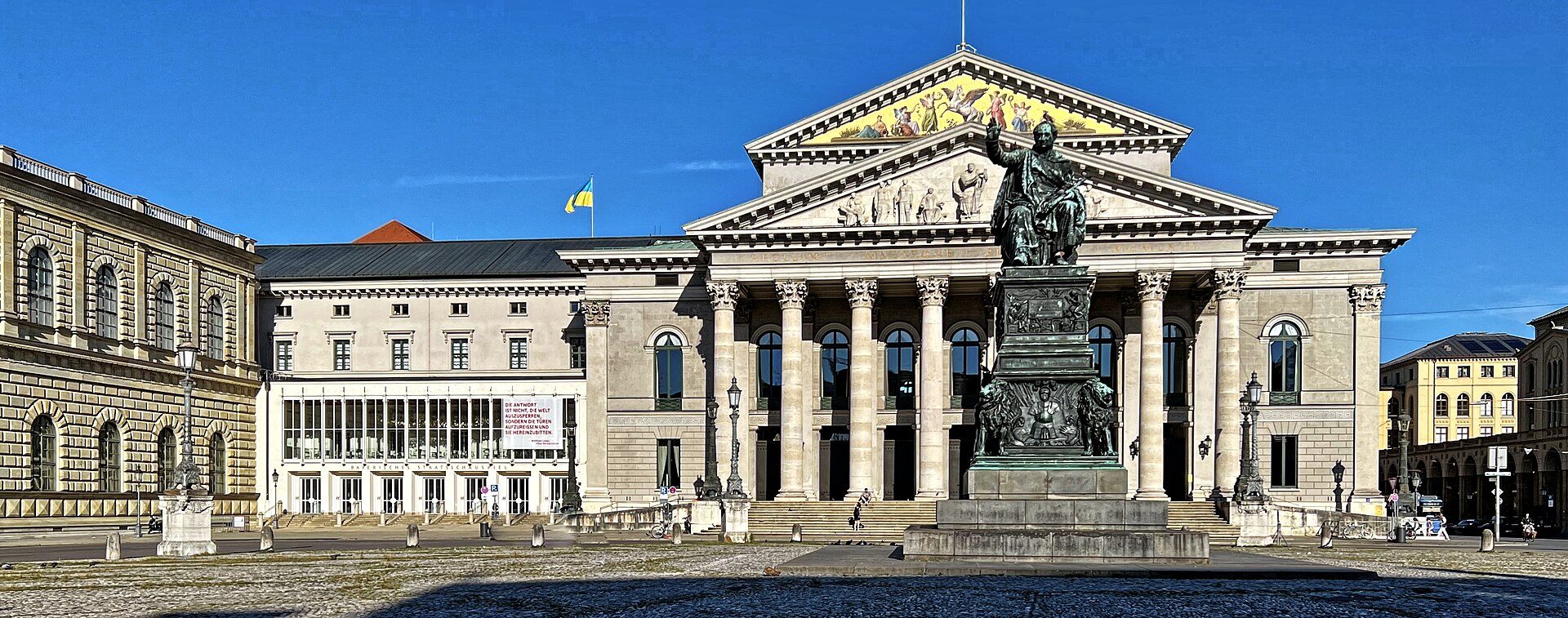
Bayerische Staatsoper in Munich
Photo by Burkhard Mücke

Named places that deserve real space in a Munich trip

Use major stops as anchors, not as trophies.

  • Residenz for history and interiors
  • English Garden for breathing room and local pace
  • Nymphenburg only if you will give it a cleaner half-day

Residenz is the stronger old-core interior if you actually want one serious historical stop instead of only walking through squares. It deserves time, not a rushed side visit.

English Garden matters because it changes the tempo of the trip. It is not just a park photo; it is the reason Munich can feel open and generous after the tighter old-town blocks.

Nymphenburg becomes good only when you admit it is not an add-on. Treat it as a half-day anchor or leave it for another trip.

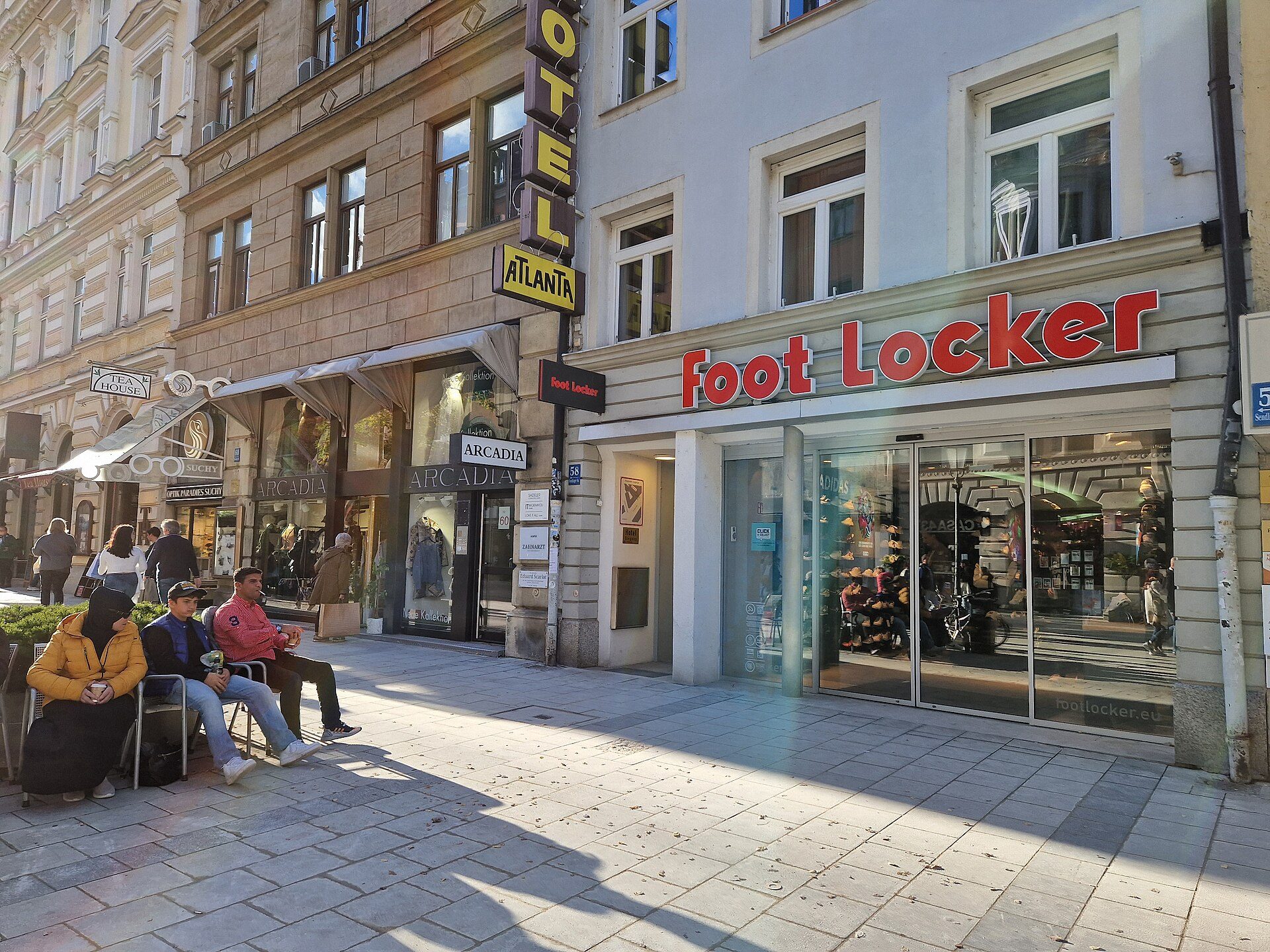
Shopping street in Munich
Photo by Strubbl

Simple way to fill a short trip

A strong short itinerary beats an oversized wishlist.

  • One major ticket per day
  • One neighborhood loop per day
  • One evening plan worth keeping flexible

For a two- or three-day trip, pick your non-negotiable landmark first, then use food, markets, viewpoints, and local streets to fill the rest of the schedule.

If one area starts feeling crowded, switch into the nearest neighborhood instead of forcing a rigid sequence across the city.

Cities are often remembered through transitions between highlights, so protect a little unscheduled time.

FAQ

What are the must-do experiences in Munich?
Start with Marienplatz, English Garden, and Residenz, then add one or two neighborhood loops and a strong evening plan.
How many sights should I book in Munich per day?
Usually one major ticketed attraction per day is enough. Fill the rest with walking, food, markets, and nearby districts.