Airport guide - Germany - Other

Airport Guide in Munich

The S-Bahn is the default airport transfer for most first-time Munich stays because it plugs directly into the same system you will use in the city. A taxi becomes more reasonable mainly for very late arrivals, a luggage-heavy family transfer, or a hotel with an awkward final leg.

Best time: May to September for easier park time, outdoor dining, and cleaner city pacing.

Transfer snapshot

The S-Bahn is the default airport transfer for most first-time Munich stays because it plugs directly into the same system you will use in the city. A taxi becomes more reasonable mainly for very late arrivals, a luggage-heavy family transfer, or a hotel with an awkward final leg.

Local transit

Walk the old core, use trams for surface-level district moves, use U-Bahn for the clearest inner-city jumps, and keep S-Bahn mainly for the airport, larger radial moves, and outer districts. Munich works best when each day stays district-based instead of trying to outsmart the map.

Best mindset

Choose the easiest route that fits your arrival time.

Key takeaways

How to get from the airport into Munich

Choose the simplest transfer that matches your arrival time.

  • Compare direct vs cheapest route
  • Check airport-specific ticket rules
  • Save one backup option

The S-Bahn is the default airport transfer for most first-time Munich stays because it plugs directly into the same system you will use in the city. A taxi becomes more reasonable mainly for very late arrivals, a luggage-heavy family transfer, or a hotel with an awkward final leg.

A direct transfer into the center or another route-matching base is the cleanest first move because Munich weakens when the hotel sits away from the useful core. Munich works best through one compact district route with walking and short U-Bahn hops, not broad all-day movement.

If you land late or with heavy luggage, paying a bit more for the simpler route can be the better travel decision.
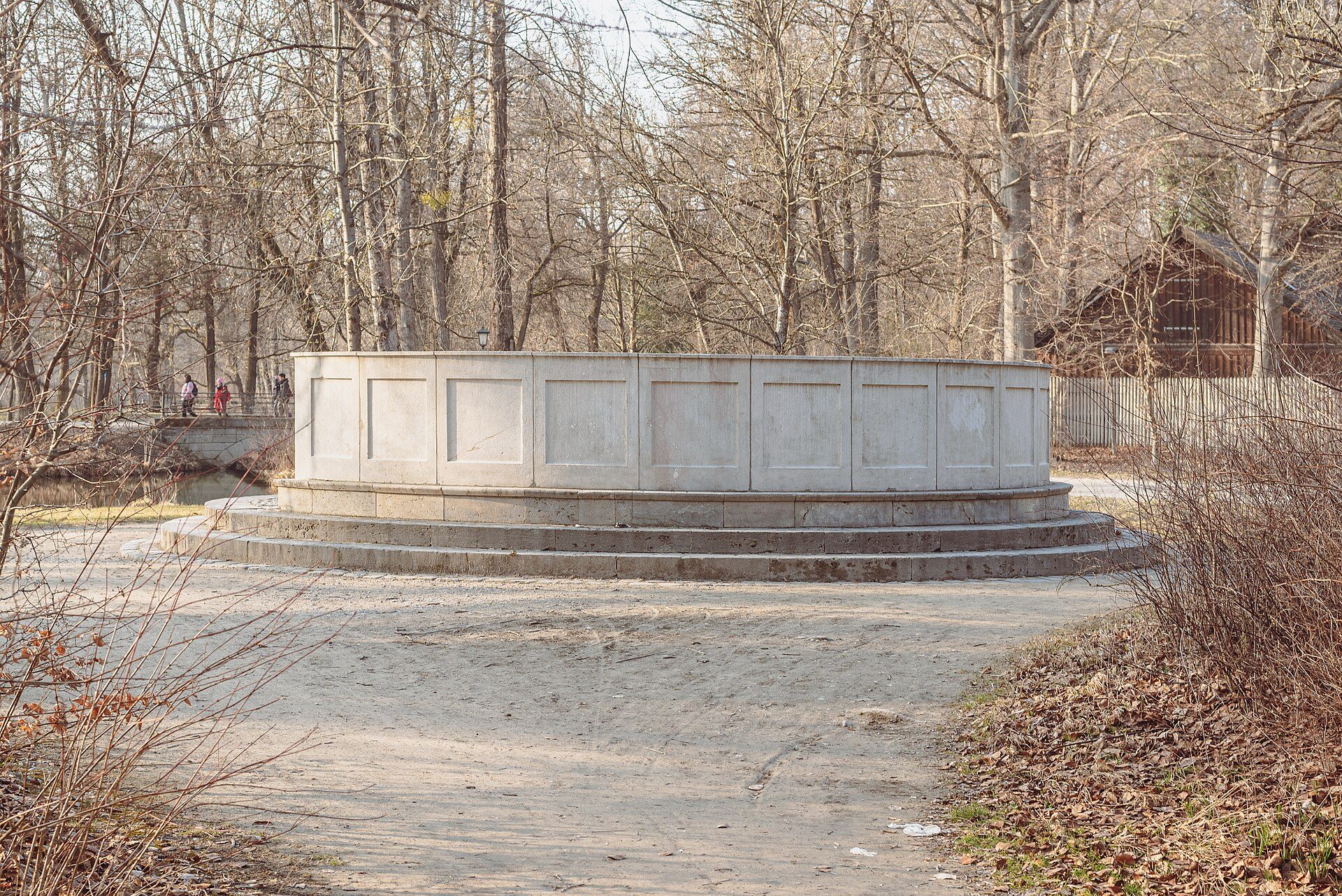
English Garden in Munich
Photo by Flocci Nivis

How to plan your first 48 hours

Start with two compact zones

  • Anchor each day around one hub
  • One ticketed highlight per day
  • Keep evenings flexible

Munich works best when you plan by compact zones and avoid zig-zagging across the map. Anchor each day around one primary neighborhood, then add one or two nearby stops that fit your pace.

Prioritize one ticketed highlight per day in Munich, then fill the rest with walking, markets, and viewpoints. This keeps the schedule realistic and leaves space for spontaneous detours.

Evenings in Munich are often the most memorable part of the trip. Keep them flexible so you can follow the vibe, whether that is a riverside walk, a casual dinner, or a local market.

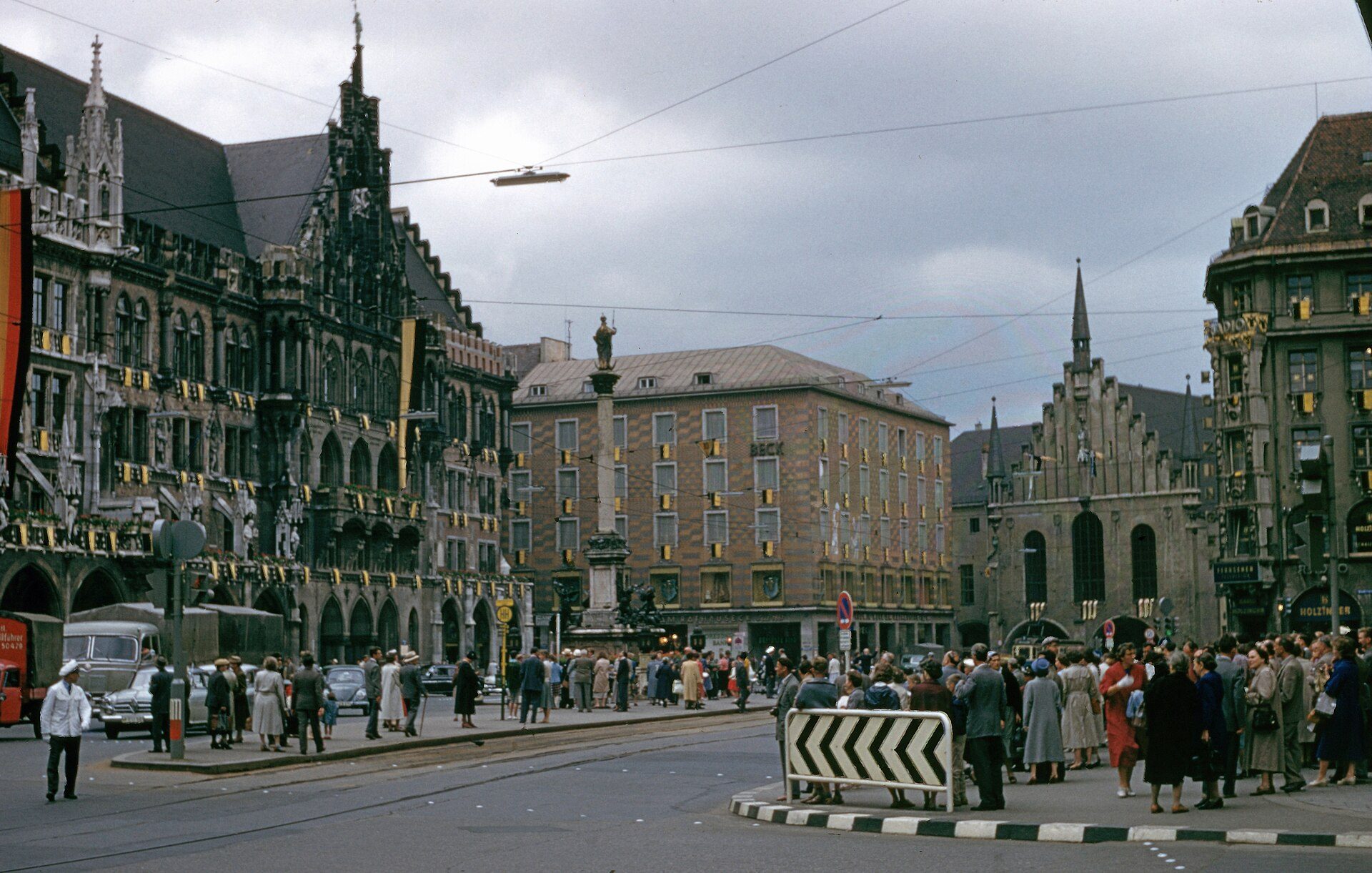
Marienplatz in Munich
Photo by foundin_a_attic

Arrival and airport transfers you can trust

Know the fastest rail options

  • Anchor each day around one hub
  • One ticketed highlight per day
  • Keep evenings flexible

Munich works best when you plan by compact zones and avoid zig-zagging across the map. Anchor each day around one primary neighborhood, then add one or two nearby stops that fit your pace.

Prioritize one ticketed highlight per day in Munich, then fill the rest with walking, markets, and viewpoints. This keeps the schedule realistic and leaves space for spontaneous detours.

Evenings in Munich are often the most memorable part of the trip. Keep them flexible so you can follow the vibe, whether that is a riverside walk, a casual dinner, or a local market.

Munich tram in the city center
Photo by Flocci Nivis

Arrival choices that keep day one usable in Munich

The cleanest transfer is usually the one that keeps the hotel handoff simple.

  • Match the transfer to your final district
  • Count the awkward last leg
  • Protect the first evening

S-Bahn from Munich Airport is the standard arrival option, with taxis mainly for late or luggage-heavy transfers.

In Munich, arrival usually feels easier when the first route matches your hotel and nearby walking area instead of chasing the absolute cheapest transfer.

The real win is arriving with enough energy left to take a short walk, eat well, and understand the neighborhood before the next morning.

Viktualienmarkt in Munich
Photo by Flocci Nivis

Arrival checklist that saves time

A calm first hour makes the whole trip smoother.

  • Pin your hotel and nearest transit stop
  • Buy only the ticket you need
  • Keep your first transfer realistic

Know whether your accommodation is closer to a rail hub, bus stop, or taxi rank before you land.

Avoid overbuying passes before you understand the airport fare rules. In many cities, the airport transfer uses different ticket logic than normal urban rides.

Keep one fallback route ready in case lines are long, counters are closed, or your flight arrives off schedule.

Bayerische Staatsoper in Munich
Photo by Burkhard Mücke

FAQ

Is the airport transfer in Munich easy for first-time visitors?
The S-Bahn is the default airport transfer for most first-time Munich stays because it plugs directly into the same system you will use in the city. A taxi becomes more reasonable mainly for very late arrivals, a luggage-heavy family transfer, or a hotel with an awkward final leg.
Should I use public transport or a taxi in Munich?
Use public transport when it is direct and fits your accommodation. Switch to a taxi or rideshare for very late arrivals, heavy luggage, or awkward hotel locations.

Sources