Transport guide - Australia - Other

Transport in Melbourne

Use Melbourne like a tram-and-walk city. Walk the center, use trams for inner-neighborhood jumps, and only lean on trains when the day reaches farther districts or beaches.

Best time: October to April for stronger outdoor rhythm, though the city is usable year-round with flexible layering.
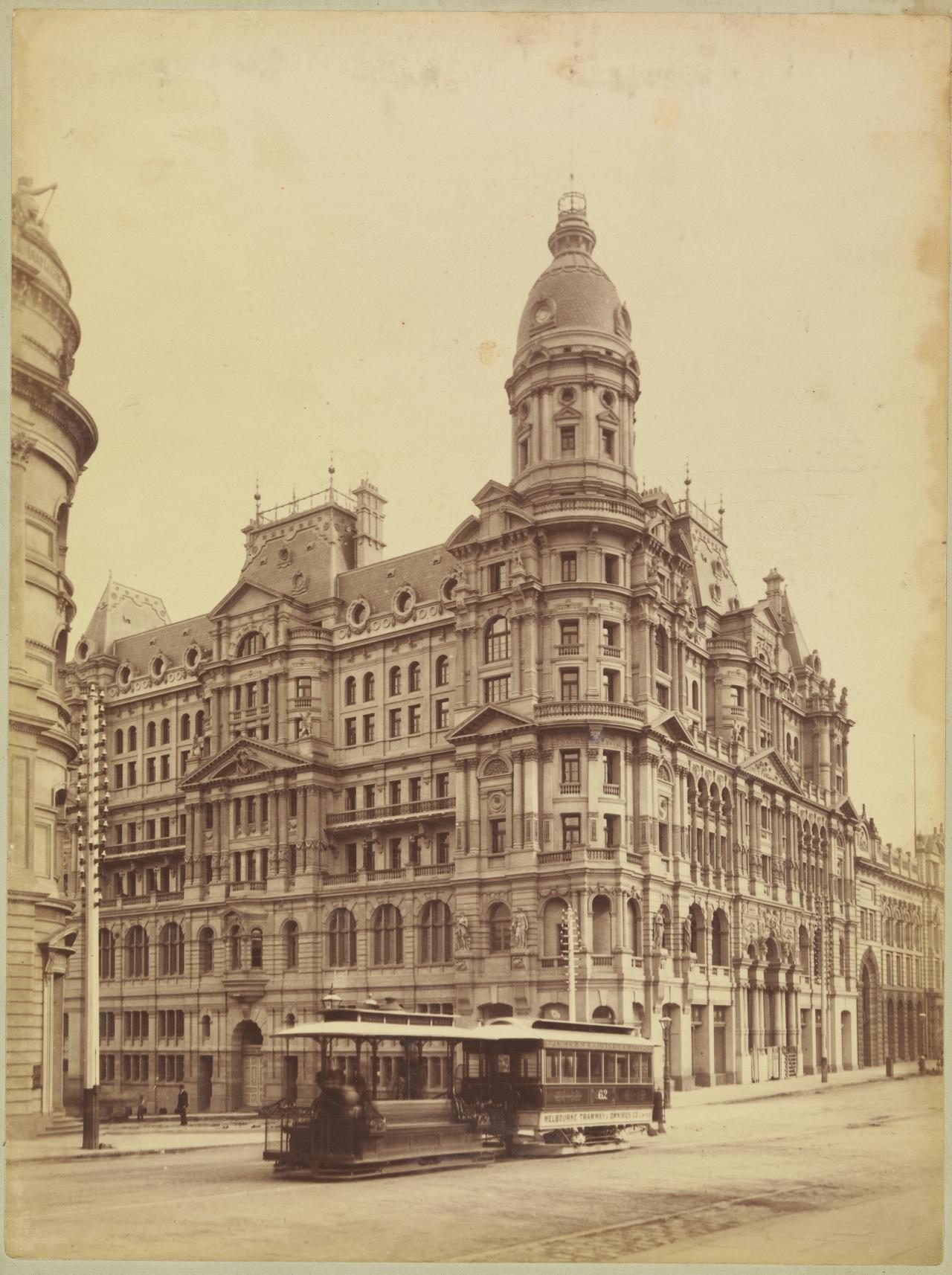
Melbourne tram in the city center
Photo by J.W. Lindt

Airport arrival

The SkyBus is the cleanest default for most first-time stays because it removes the airport decision and drops you into the city transfer spine. A taxi or ride-hailing becomes reasonable mainly for very early, very late, or luggage-heavy arrivals.

Local transit

Use Melbourne like a tram-and-walk city. Walk the center, use trams for inner-neighborhood jumps, and only lean on trains when the day reaches farther districts or beaches.

Main rule

Group each day by area and use the simplest route.

Key takeaways

How transport works in Melbourne

Match the route to the shape of the city, not just the map.

  • Group the day by area
  • Use the simplest transfer
  • Let walking and transit support each other

Use Melbourne like a tram-and-walk city. Walk the center, use trams for inner-neighborhood jumps, and only lean on trains when the day reaches farther districts or beaches.

Melbourne becomes elegant when one day belongs to the grid, another to the inner north, and another to market or river logic. It becomes bland only when every neighborhood gets flattened into a generic cafe crawl. The best airport arrival is the one that gets you into the CBD or a route-matching inner neighborhood without one exhausting final move. Melbourne rewards being based where trams and walking solve most of the day.

Most transport problems come from forcing too many district changes into one day rather than from the system itself.

Melbourne tram in the city center
Photo by J.W. Lindt

Airport transfers and first-day movement

Your arrival decision shapes the whole first day.

  • Do not over-optimize the cheapest route
  • Check the final hotel connection
  • Keep one backup option

The SkyBus is the cleanest default for most first-time stays because it removes the airport decision and drops you into the city transfer spine. A taxi or ride-hailing becomes reasonable mainly for very early, very late, or luggage-heavy arrivals.

Airport transfers only feel easy when the final hotel leg is realistic. A direct transfer can be worth it if the rail or bus answer turns awkward after a long flight.

A calmer first transfer usually protects the energy you need for the rest of day one.

Melbourne skyline by the Yarra River
Photo by Dietmar Rabich

Best way to move around Melbourne each day

Use the city system as a tool, not as the whole plan.

  • One corridor or district cluster at a time
  • Use direct rides selectively
  • End near dinner or the hotel

The easiest urban days usually pair one strong walking district with one transit-supported move rather than repeating long back-and-forth journeys.

If the local system is direct, use it. If the final leg becomes awkward, paying for one clean ride can be the better decision.

Good transport planning is really route planning: fewer crossings, fewer transfers, and fewer dead miles.

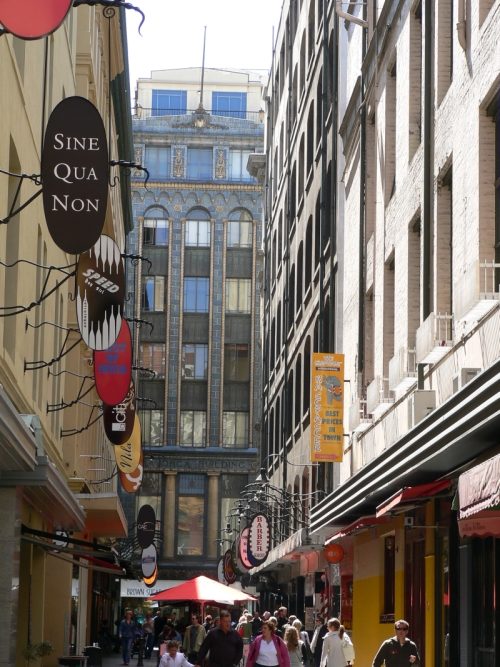
Laneway scene in Melbourne
Photo by Biatch at en.wikipedia

Passes, tickets, and what to check before buying

The cheapest fare is not always the smartest fare.

  • Count real rides, not imagined rides
  • Airport tickets may use different rules
  • Short trips need simple logic

Many visitors overbuy transit passes before they understand how many rides they will actually take.

Airport fares, regional lines, and tourist cards often follow different rules, so check those before buying anything that looks like an all-in-one answer.

For short city breaks, simplicity usually beats tiny savings.

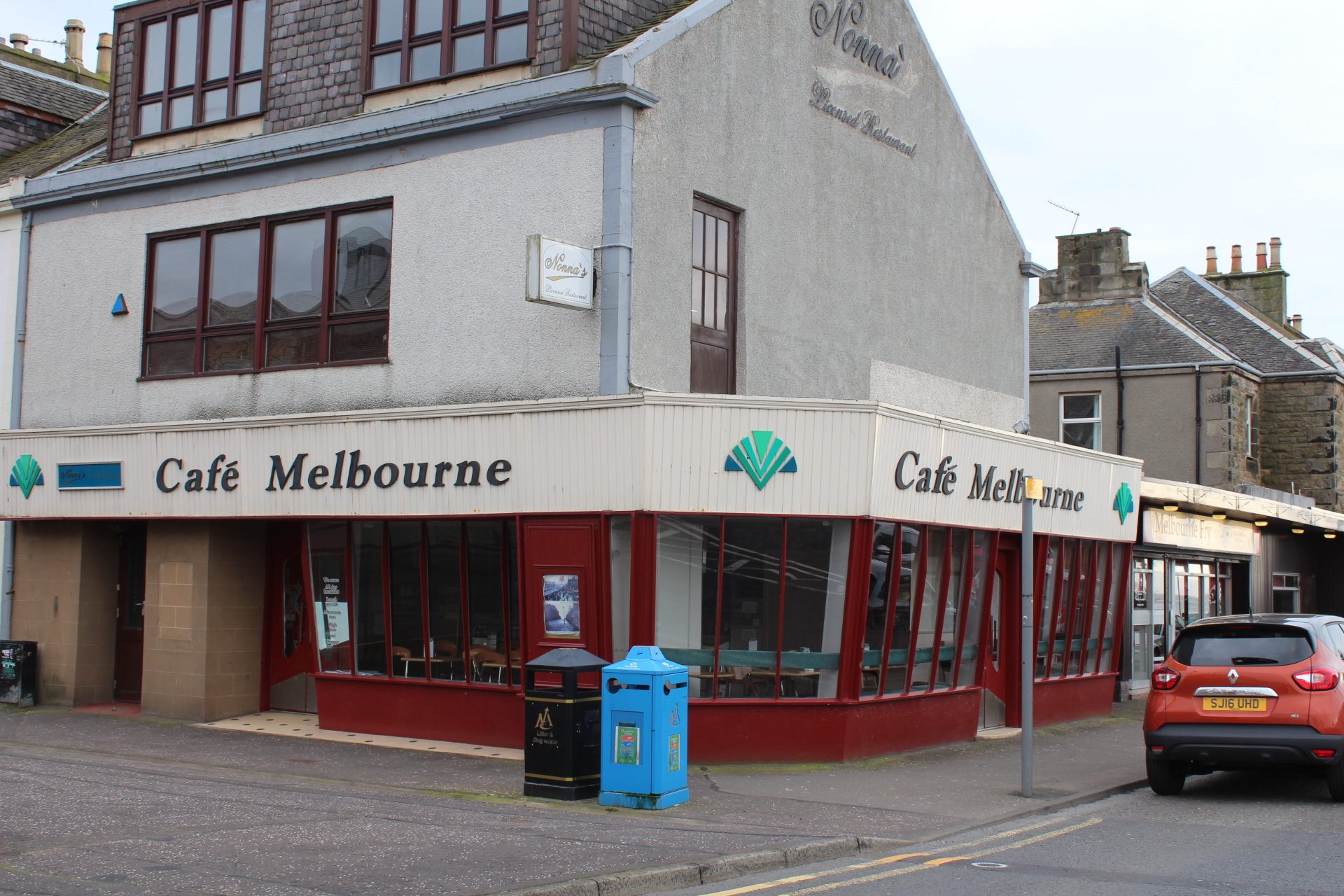
Cafe scene in Melbourne
Photo by Billy McCrorie

How to move through Melbourne without wasting hours

The best transport choice depends on district pairing, not on the network map alone.

  • Walk inside dense district clusters
  • Use transit for clean corridor jumps
  • Do not spend transfers to save tiny distances

In Melbourne, transport works best when it helps you move between district families like CBD, Fitzroy, and Southbank, not when it replaces obvious short walks.

The practical rule is already visible in the city data: Use Melbourne like a tram-and-walk city. Walk the center, use trams for inner-neighborhood jumps, and only lean on trains when the day reaches farther districts or beaches.

If a route is already compact, walking usually gives better atmosphere and less cognitive friction than one more transfer or ride-hail.

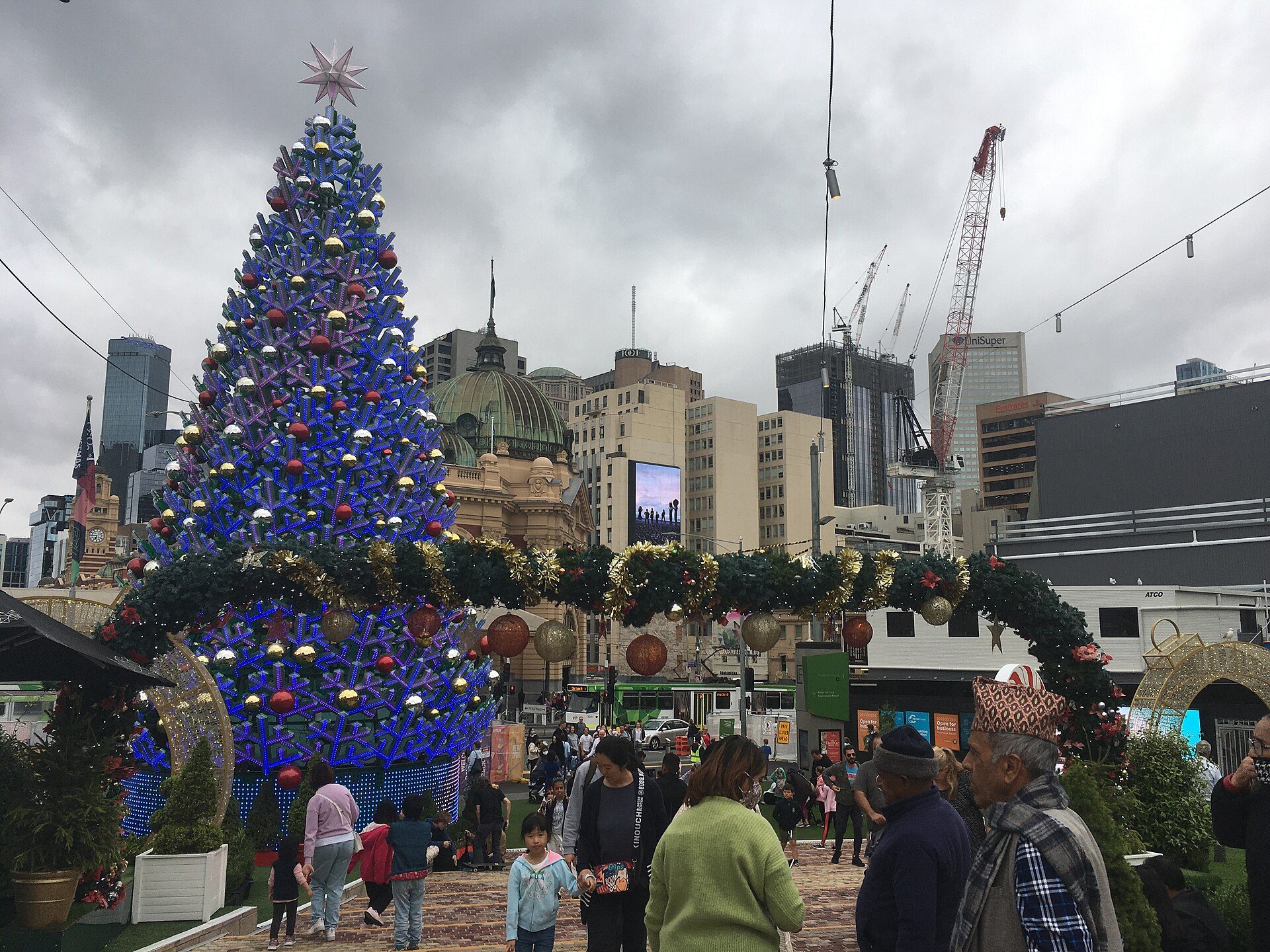
Federation Square in Melbourne
Photo by Philip Mallis

Airport arrival and last-mile logic in Melbourne

The first route of the trip should reduce friction, not prove you picked the cheapest line.

  • Know the cleanest airport move before landing
  • Save one backup route for a late arrival
  • Let the hotel district decide the final mode

A good first day starts with the simplest airport logic, and for Melbourne that means understanding this before you land: The SkyBus is the cleanest default for most first-time stays because it removes the airport decision and drops you into the city transfer spine. A taxi or ride-hailing becomes reasonable mainly for very early, very late, or luggage-heavy arrivals.

Many travelers lose the first evening because they optimize the headline train or fare and ignore the awkward last segment with luggage.

The cleanest arrival is usually the one that matches your base, even when it is not the most theoretically elegant line on paper.

FAQ

What is the best way to get around Melbourne?
Use Melbourne like a tram-and-walk city. Walk the center, use trams for inner-neighborhood jumps, and only lean on trains when the day reaches farther districts or beaches.
Should I buy a transit pass in Melbourne?
Only if the number of planned rides clearly justifies it. Many short trips work better with simple pay-as-you-go logic.