Things to do - Australia - Other

Things to Do in Melbourne

Melbourne works best when you lean into a grid-and-neighborhood rhythm: one CBD and laneway day, one Fitzroy-Collingwood or Carlton day, one market or sports-cultural layer, and one evening built around eating and drinking instead of sprinting between districts.

Best time: October to April for stronger outdoor rhythm, though the city is usable year-round with flexible layering.
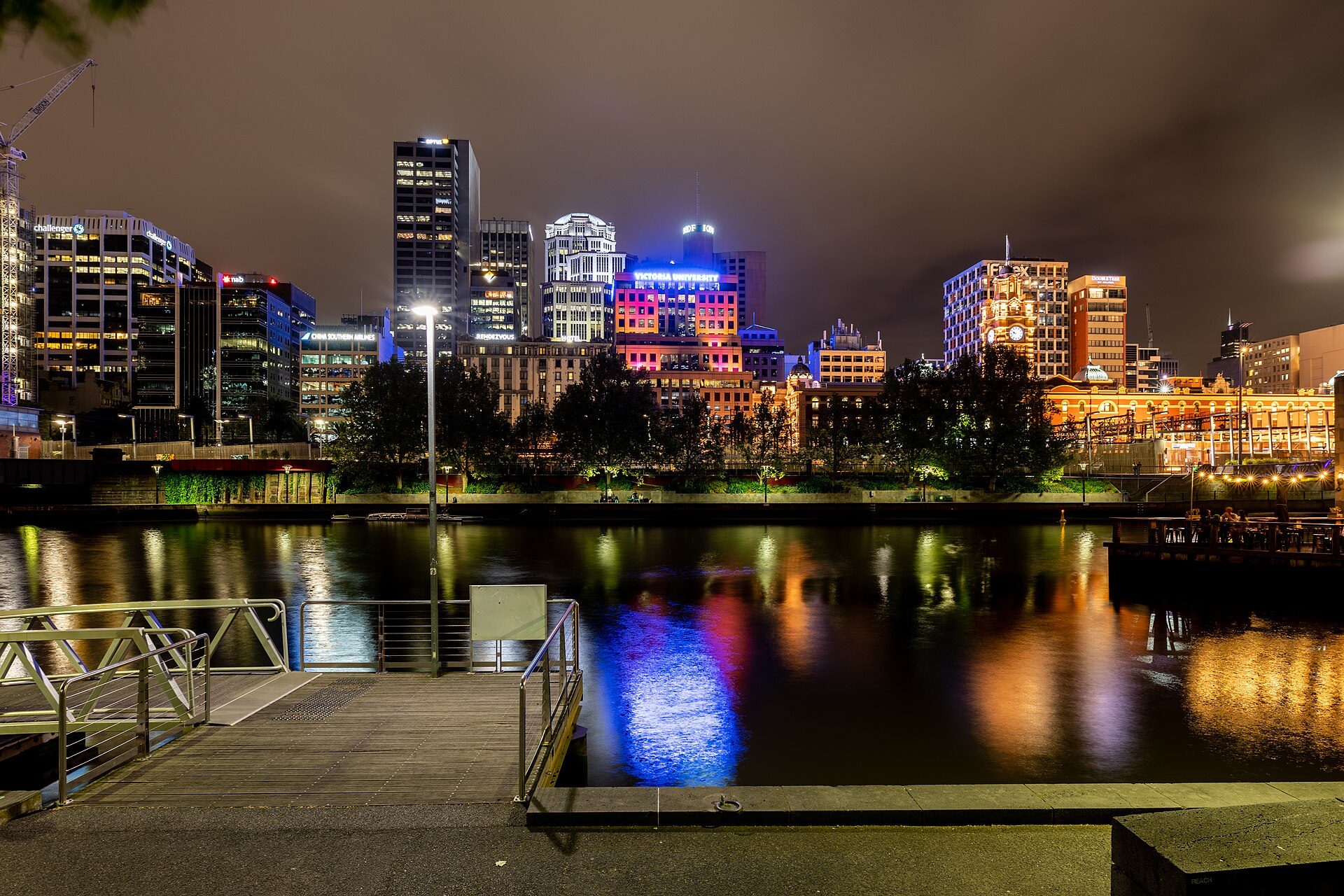
Melbourne skyline by the Yarra River
Photo by Dietmar Rabich

Top highlights

Laneways, Federation Square, and Royal Botanic Gardens

Best areas

CBD, Fitzroy, and Southbank

Trip rhythm

One anchor attraction per day, then add walkable neighborhood loops.

Key takeaways

What to prioritize in Melbourne

Pick a few high-payoff experiences and build the trip around them.

  • Start with signature landmarks
  • Balance tickets with neighborhoods
  • Leave room for food and evenings

The core shortlist for Melbourne usually starts with Laneways, Federation Square, and Royal Botanic Gardens.

The best city days combine one anchor attraction with street-level wandering, meals, and a neighborhood loop rather than stacking tickets back-to-back.

Use areas like CBD, Fitzroy, and Southbank to shape the pace of the day instead of treating the map like a checklist.
Melbourne skyline by the Yarra River
Photo by Dietmar Rabich

How to plan your first 48 hours

Start with two compact zones

  • Anchor each day around one hub
  • One ticketed highlight per day
  • Keep evenings flexible

Melbourne works best when you plan by compact zones and avoid zig-zagging across the map. Anchor each day around one primary neighborhood, then add one or two nearby stops that fit your pace.

Prioritize one ticketed highlight per day in Melbourne, then fill the rest with walking, markets, and viewpoints. This keeps the schedule realistic and leaves space for spontaneous detours.

Evenings in Melbourne are often the most memorable part of the trip. Keep them flexible so you can follow the vibe, whether that is a riverside walk, a casual dinner, or a local market.

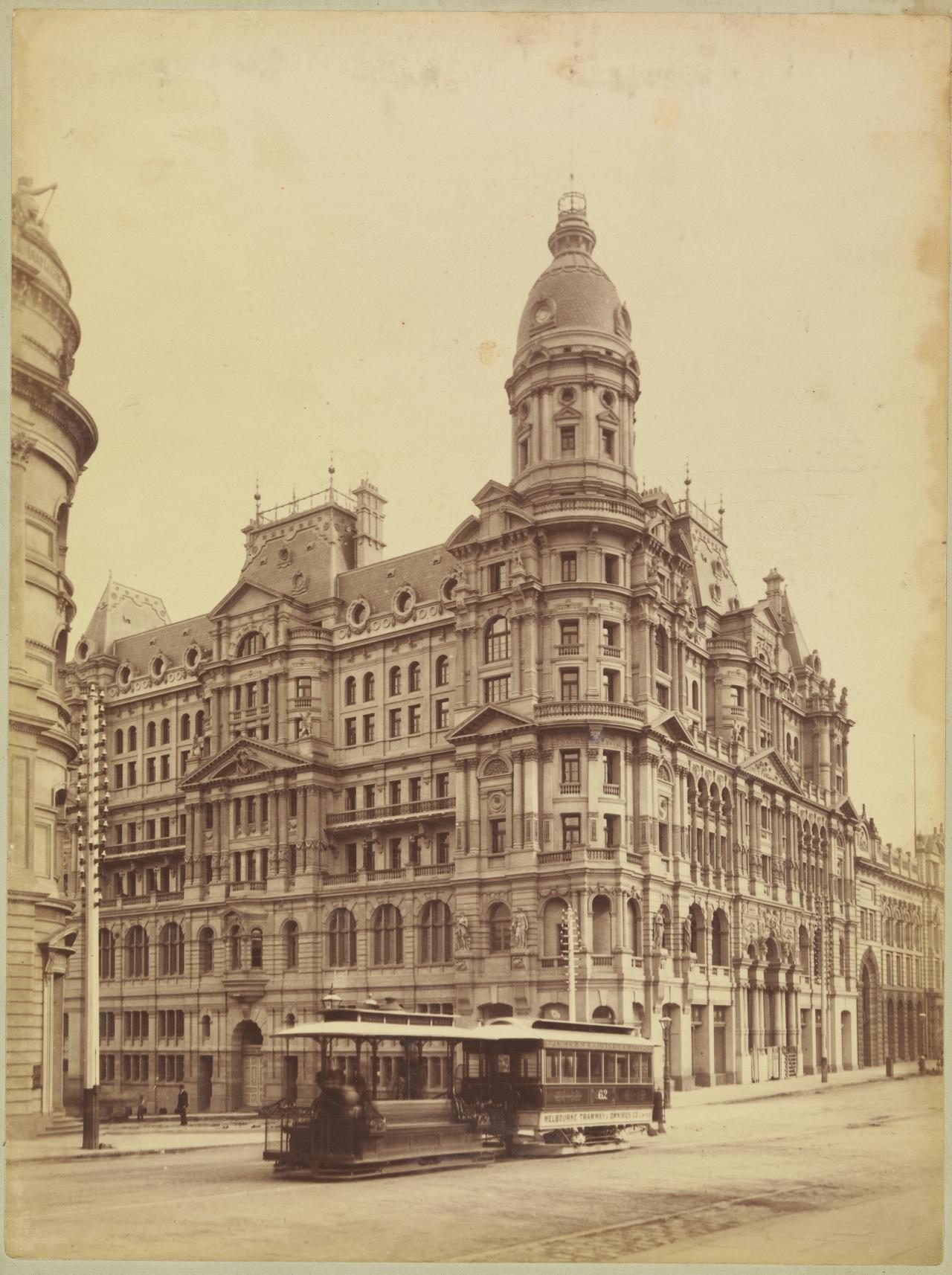
Melbourne tram in the city center
Photo by J.W. Lindt

Arrival and airport transfers you can trust

Know the fastest rail options

  • Anchor each day around one hub
  • One ticketed highlight per day
  • Keep evenings flexible

Melbourne works best when you plan by compact zones and avoid zig-zagging across the map. Anchor each day around one primary neighborhood, then add one or two nearby stops that fit your pace.

Prioritize one ticketed highlight per day in Melbourne, then fill the rest with walking, markets, and viewpoints. This keeps the schedule realistic and leaves space for spontaneous detours.

Evenings in Melbourne are often the most memorable part of the trip. Keep them flexible so you can follow the vibe, whether that is a riverside walk, a casual dinner, or a local market.

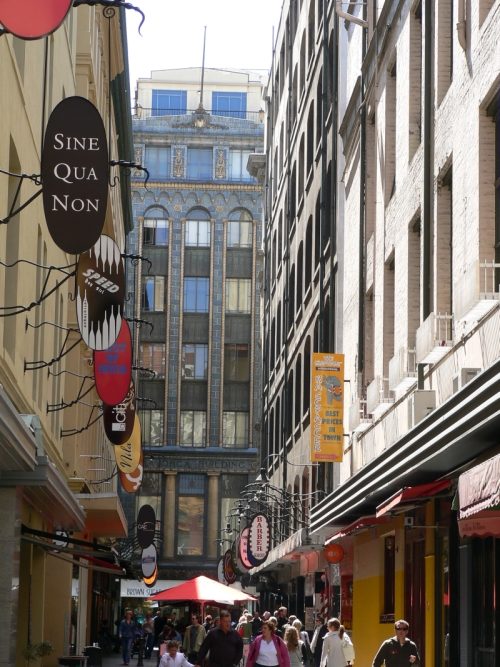
Laneway scene in Melbourne
Photo by Biatch at en.wikipedia

Where to stay and how to choose a base

Pick a neighborhood that matches your pace

  • Anchor each day around one hub
  • One ticketed highlight per day
  • Keep evenings flexible

Melbourne works best when you plan by compact zones and avoid zig-zagging across the map. Anchor each day around one primary neighborhood, then add one or two nearby stops that fit your pace.

Prioritize one ticketed highlight per day in Melbourne, then fill the rest with walking, markets, and viewpoints. This keeps the schedule realistic and leaves space for spontaneous detours.

Evenings in Melbourne are often the most memorable part of the trip. Keep them flexible so you can follow the vibe, whether that is a riverside walk, a casual dinner, or a local market.

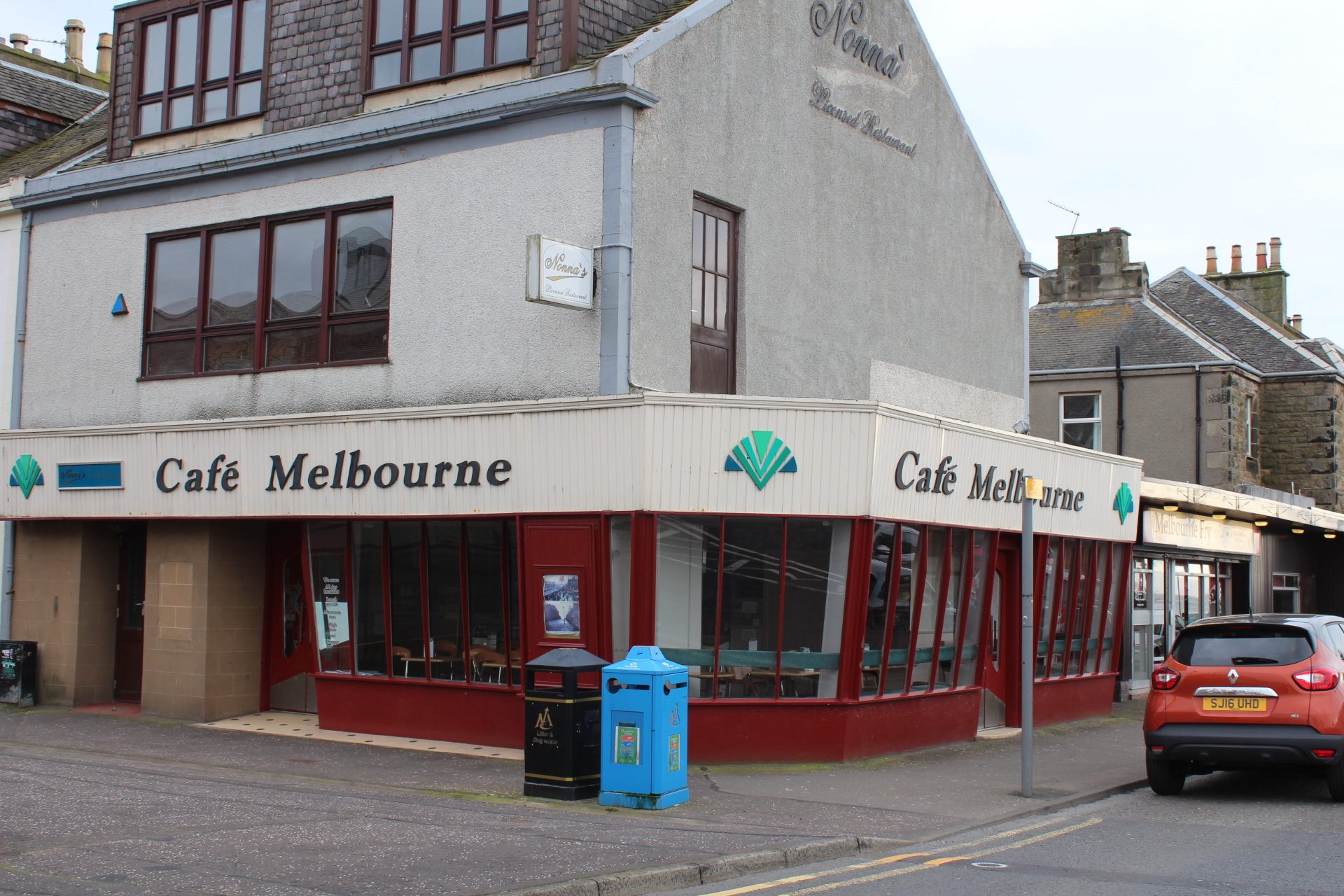
Cafe scene in Melbourne
Photo by Billy McCrorie

How to structure Melbourne without turning it into a checklist sprint

Use one route family per half-day and let the district finish the story.

  • Choose one anchor sight first
  • Add only the district that naturally belongs to it
  • Protect dinner from cross-city backtracking

The strongest first-day shape in Melbourne usually starts with Grid, market, and neighborhood logic and then lets the surrounding district do the rest of the work.

What usually improves the trip is not adding more boxes but keeping neighborhoods like CBD, Fitzroy, and Southbank inside the same route family instead of forcing a cross-city detour every two hours.

A city starts to feel expensive and tiring when every attraction wins the argument for prime time. One anchor and one surrounding neighborhood is usually enough.

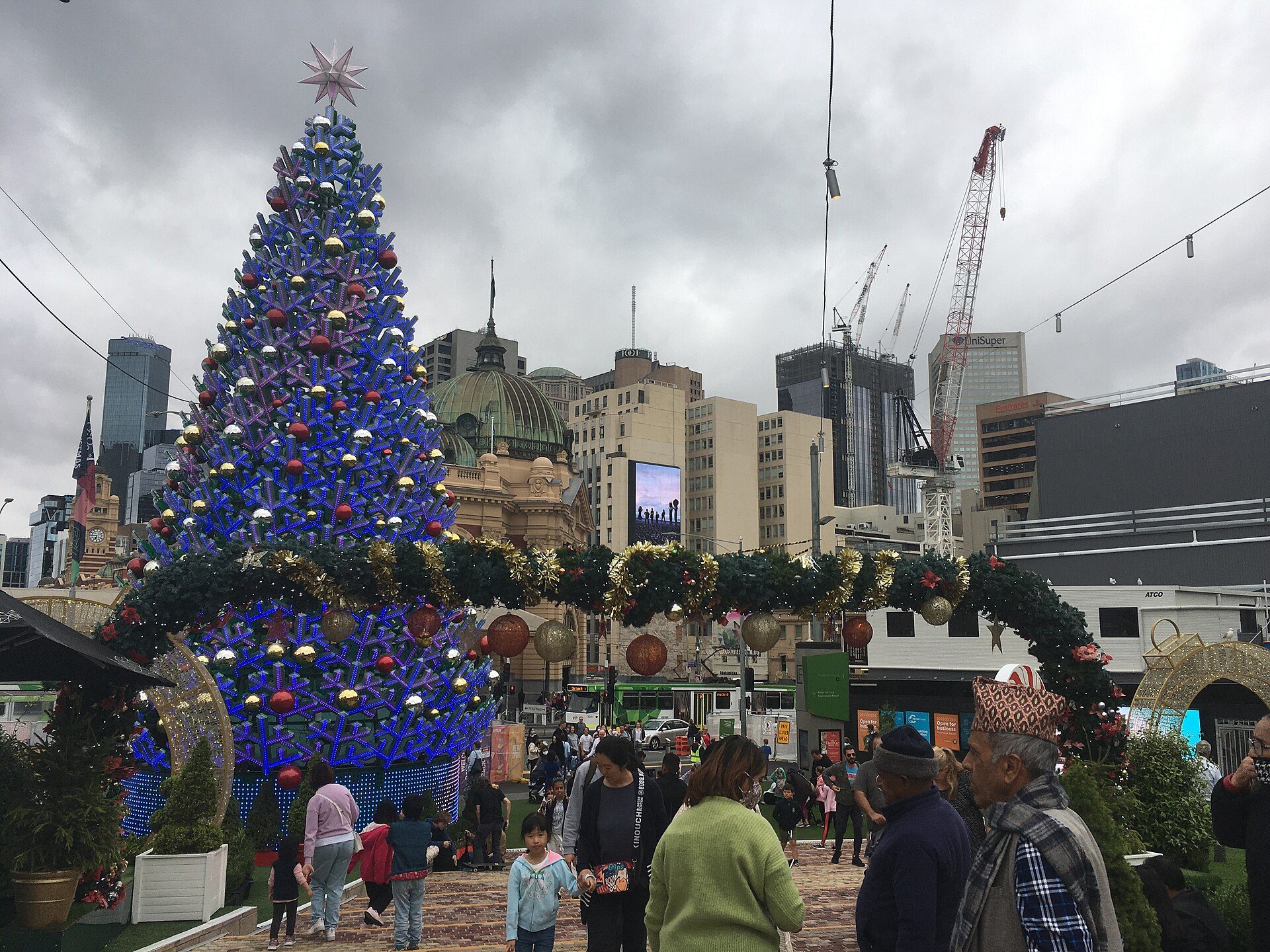
Federation Square in Melbourne
Photo by Philip Mallis

Route combinations that usually work better in Melbourne

Think in paired districts, not in isolated pins on a map.

  • Morning for the heaviest attraction
  • Afternoon for the district around it
  • Evening for a meal or bar in the same orbit

A better Melbourne day usually has a visible center of gravity. If the morning belongs to a major sight, the afternoon should belong to the adjacent neighborhood rather than to another faraway headline.

That structure gives weather, queues, and appetite enough room to change the day without collapsing it.

The result is not only cleaner logistics but a city that actually feels like a sequence of places rather than a transfer exercise.

Simple way to fill a short trip

A strong short itinerary beats an oversized wishlist.

  • One major ticket per day
  • One neighborhood loop per day
  • One evening plan worth keeping flexible

For a two- or three-day trip, pick your non-negotiable landmark first, then use food, markets, viewpoints, and local streets to fill the rest of the schedule.

If one area starts feeling crowded, switch into the nearest neighborhood instead of forcing a rigid sequence across the city.

Cities are often remembered through transitions between highlights, so protect a little unscheduled time.

FAQ

What are the must-do experiences in Melbourne?
Start with Laneways, Federation Square, and Royal Botanic Gardens, then add one or two neighborhood loops and a strong evening plan.
How many sights should I book in Melbourne per day?
Usually one major ticketed attraction per day is enough. Fill the rest with walking, food, markets, and nearby districts.