Transport guide - Philippines - Other

Transport in Manila

Use ride-hailing or taxis for most practical city movement, then walk once the day is already inside one zone such as Intramuros, Makati, or BGC. Manila punishes travelers who keep trying to improvise cross-city jumps in midday traffic.

Best time: December to February for the easiest balance of heat, humidity, and city movement.

Airport arrival

From NAIA, the smartest default is a pre-booked hotel transfer, airport taxi, or ride-hailing. The real issue is not distance but traffic timing, so late-evening arrivals and rush-hour arrivals can feel like different cities.

Local transit

Use ride-hailing or taxis for most practical city movement, then walk once the day is already inside one zone such as Intramuros, Makati, or BGC. Manila punishes travelers who keep trying to improvise cross-city jumps in midday traffic.

Main rule

Group each day by area and use the simplest route.

Key takeaways

How transport works in Manila

Match the route to the shape of the city, not just the map.

  • Group the day by area
  • Use the simplest transfer
  • Let walking and transit support each other

Use ride-hailing or taxis for most practical city movement, then walk once the day is already inside one zone such as Intramuros, Makati, or BGC. Manila punishes travelers who keep trying to improvise cross-city jumps in midday traffic.

Manila works best through one district route at a time, not broad all-day movement. A direct transfer into a practical base is the cleanest first move because Manila gets weak fast when hotel choice and traffic reality do not match.

Most transport problems come from forcing too many district changes into one day rather than from the system itself.

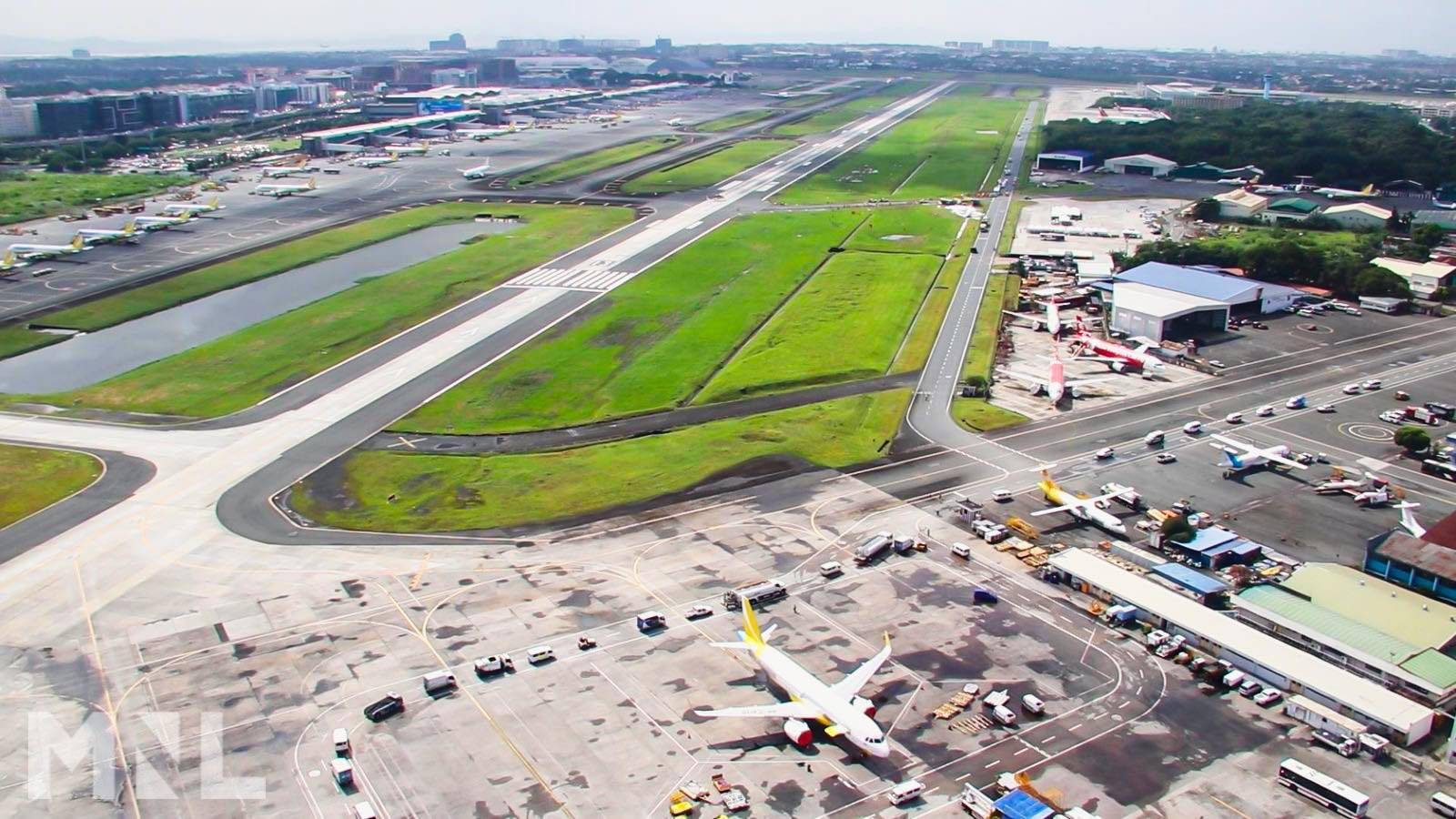
Airport arrival in Manila
Photo by Manila International Airport Authority

Airport transfers and first-day movement

Your arrival decision shapes the whole first day.

  • Do not over-optimize the cheapest route
  • Check the final hotel connection
  • Keep one backup option

From NAIA, the smartest default is a pre-booked hotel transfer, airport taxi, or ride-hailing. The real issue is not distance but traffic timing, so late-evening arrivals and rush-hour arrivals can feel like different cities.

Airport transfers only feel easy when the final hotel leg is realistic. A direct transfer can be worth it if the rail or bus answer turns awkward after a long flight.

A calmer first transfer usually protects the energy you need for the rest of day one.

Intramuros in Manila
Photo by Twinkiedust

Best way to move around Manila each day

Use the city system as a tool, not as the whole plan.

  • One corridor or district cluster at a time
  • Use direct rides selectively
  • End near dinner or the hotel

The easiest urban days usually pair one strong walking district with one transit-supported move rather than repeating long back-and-forth journeys.

If the local system is direct, use it. If the final leg becomes awkward, paying for one clean ride can be the better decision.

Good transport planning is really route planning: fewer crossings, fewer transfers, and fewer dead miles.

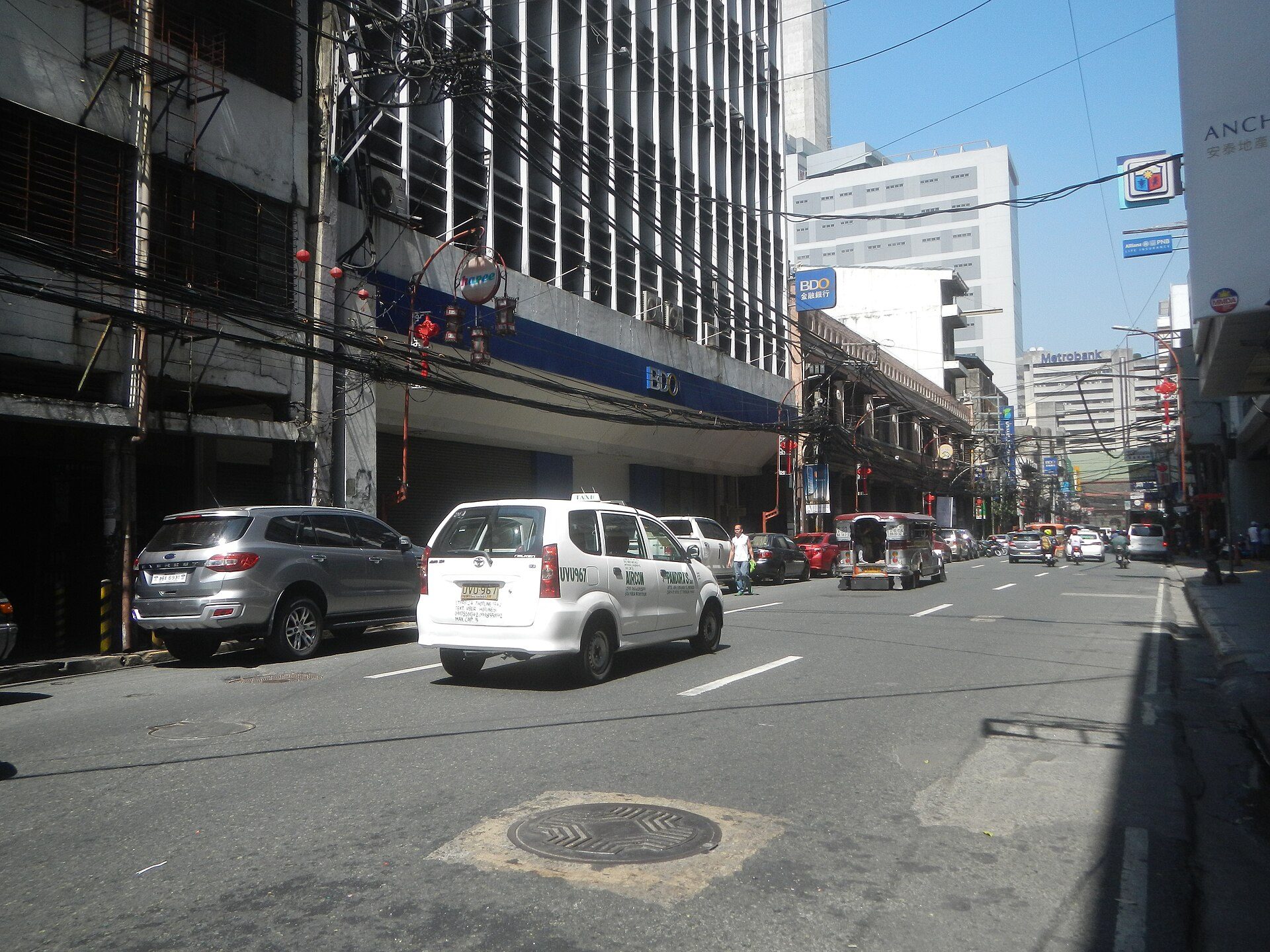
Street scene in Binondo, Manila
Photo by Judgefloro

Passes, tickets, and what to check before buying

The cheapest fare is not always the smartest fare.

  • Count real rides, not imagined rides
  • Airport tickets may use different rules
  • Short trips need simple logic

Many visitors overbuy transit passes before they understand how many rides they will actually take.

Airport fares, regional lines, and tourist cards often follow different rules, so check those before buying anything that looks like an all-in-one answer.

For short city breaks, simplicity usually beats tiny savings.

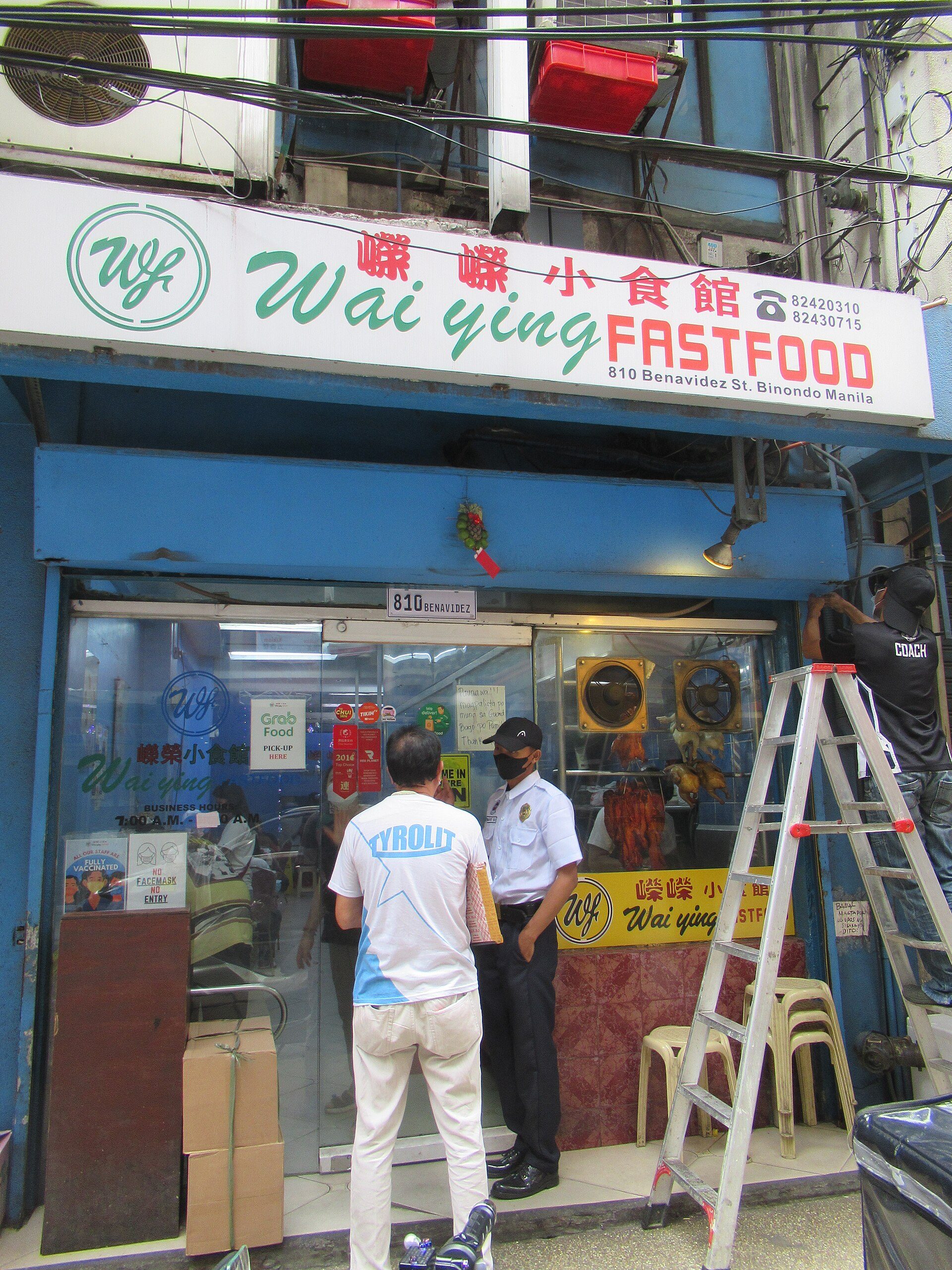
Dining or market scene in Manila
Photo by Zarate123

How to move around Manila without wasting time

The best mode changes by district, weather, and how many stops you expect in one day.

  • Walking rarely solves the whole day
  • Use the strongest corridor mode first
  • Airport logic and city logic should stay separate

Choose the district first, then the ride. Rail helps only on selected corridors, while taxi and ride-hailing usually save more time. A route with 1 cross-city transfer can already feel heavy, so it is better to build 2 strong zones in a day than 5 scattered stops.

Ride-hailing, taxis, selective rail, and district-based planning are more realistic than trying to overuse public transport for every move.

Taxi, ride-hailing, airport bus, and hotel transfer are the main arrival options depending on terminal and final district.

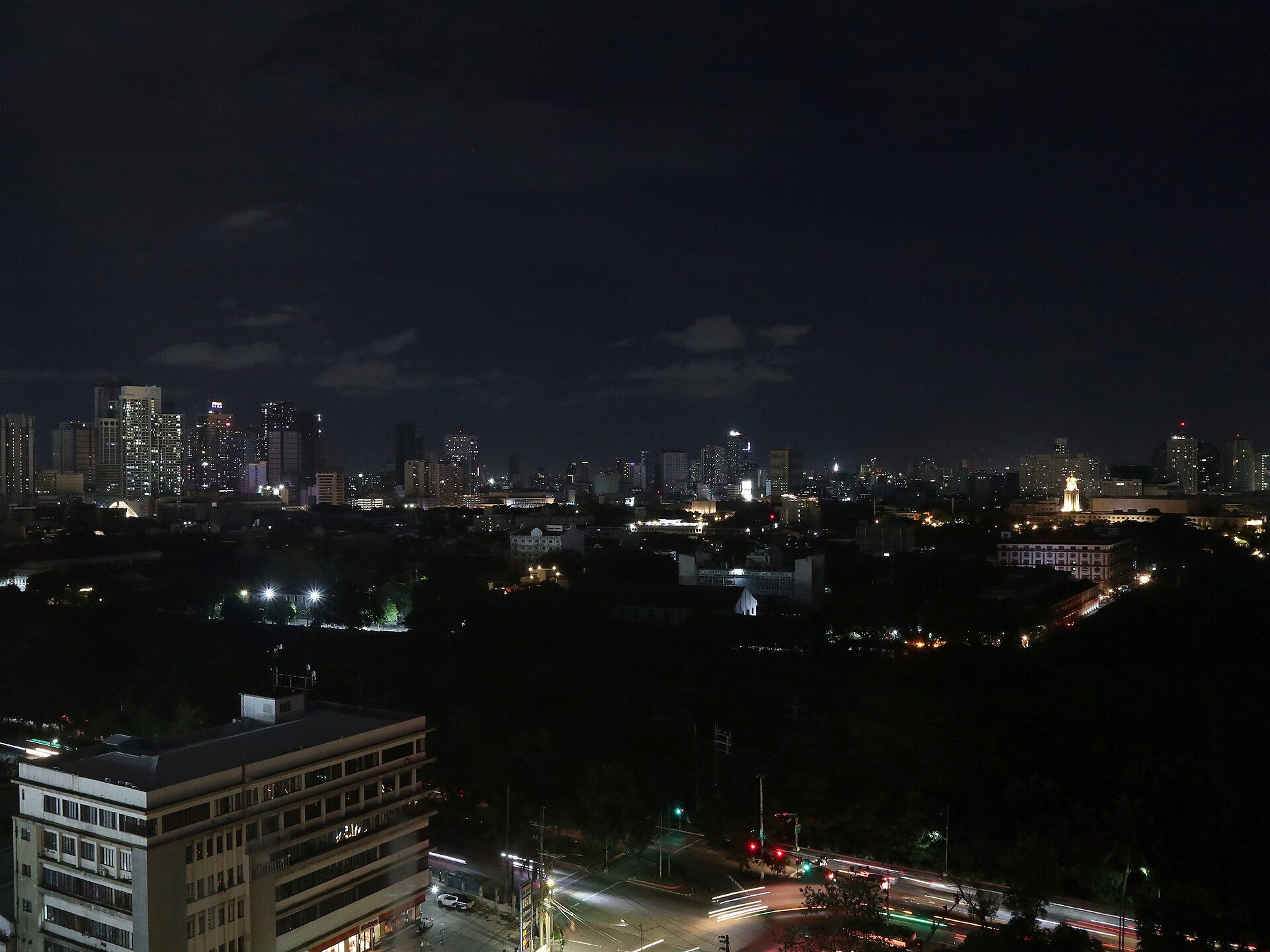
Night skyline in Manila
Photo by Patrickroque01

FAQ

What is the best way to get around Manila?
Use ride-hailing or taxis for most practical city movement, then walk once the day is already inside one zone such as Intramuros, Makati, or BGC. Manila punishes travelers who keep trying to improvise cross-city jumps in midday traffic.
Should I buy a transit pass in Manila?
Only if the number of planned rides clearly justifies it. Many short trips work better with simple pay-as-you-go logic.