Airport guide - Philippines - Other

Airport Guide in Manila

From NAIA, the smartest default is a pre-booked hotel transfer, airport taxi, or ride-hailing. The real issue is not distance but traffic timing, so late-evening arrivals and rush-hour arrivals can feel like different cities.

Best time: December to February for the easiest balance of heat, humidity, and city movement.
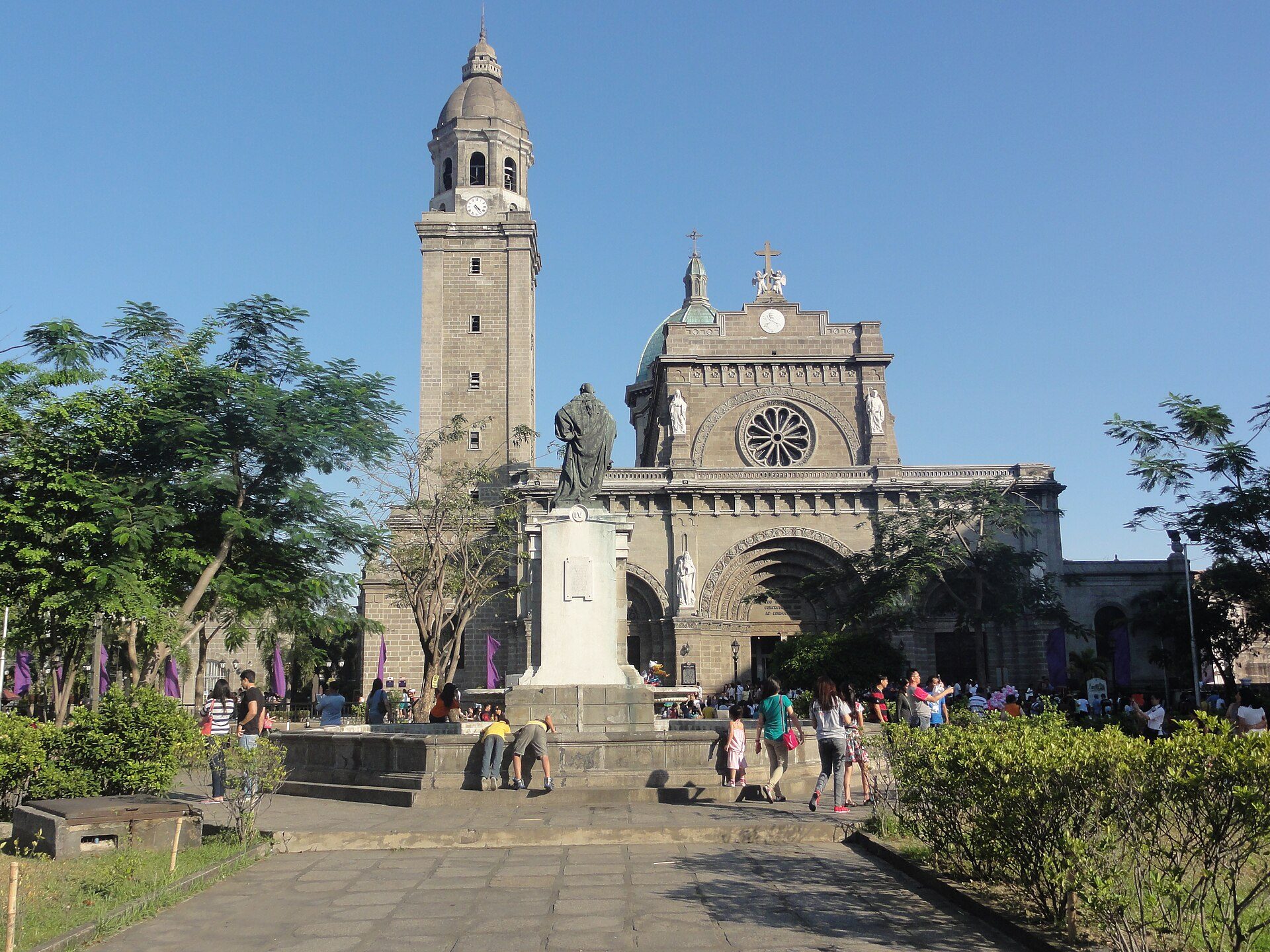
Intramuros in Manila
Photo by Patrick Roque

Transfer snapshot

From NAIA, the smartest default is a pre-booked hotel transfer, airport taxi, or ride-hailing. The real issue is not distance but traffic timing, so late-evening arrivals and rush-hour arrivals can feel like different cities.

Local transit

Use ride-hailing or taxis for most practical city movement, then walk once the day is already inside one zone such as Intramuros, Makati, or BGC. Manila punishes travelers who keep trying to improvise cross-city jumps in midday traffic.

Best mindset

Choose the easiest route that fits your arrival time.

Key takeaways

How to get from the airport into Manila

Choose the simplest transfer that matches your arrival time.

  • Compare direct vs cheapest route
  • Check airport-specific ticket rules
  • Save one backup option

From NAIA, the smartest default is a pre-booked hotel transfer, airport taxi, or ride-hailing. The real issue is not distance but traffic timing, so late-evening arrivals and rush-hour arrivals can feel like different cities.

A direct transfer into a practical base is the cleanest first move because Manila gets weak fast when hotel choice and traffic reality do not match. Manila works best through one district route at a time, not broad all-day movement.

If you land late or with heavy luggage, paying a bit more for the simpler route can be the better travel decision.
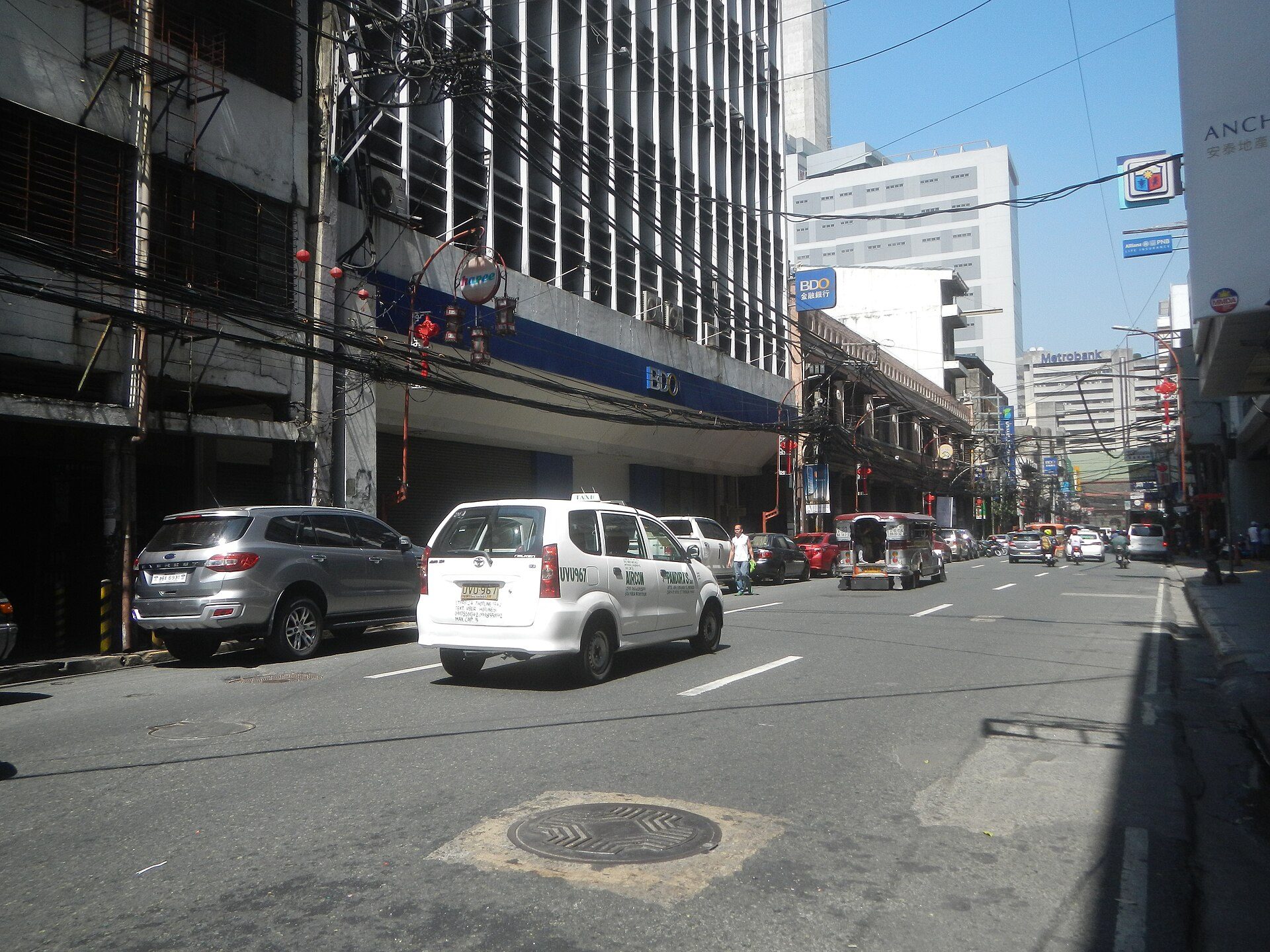
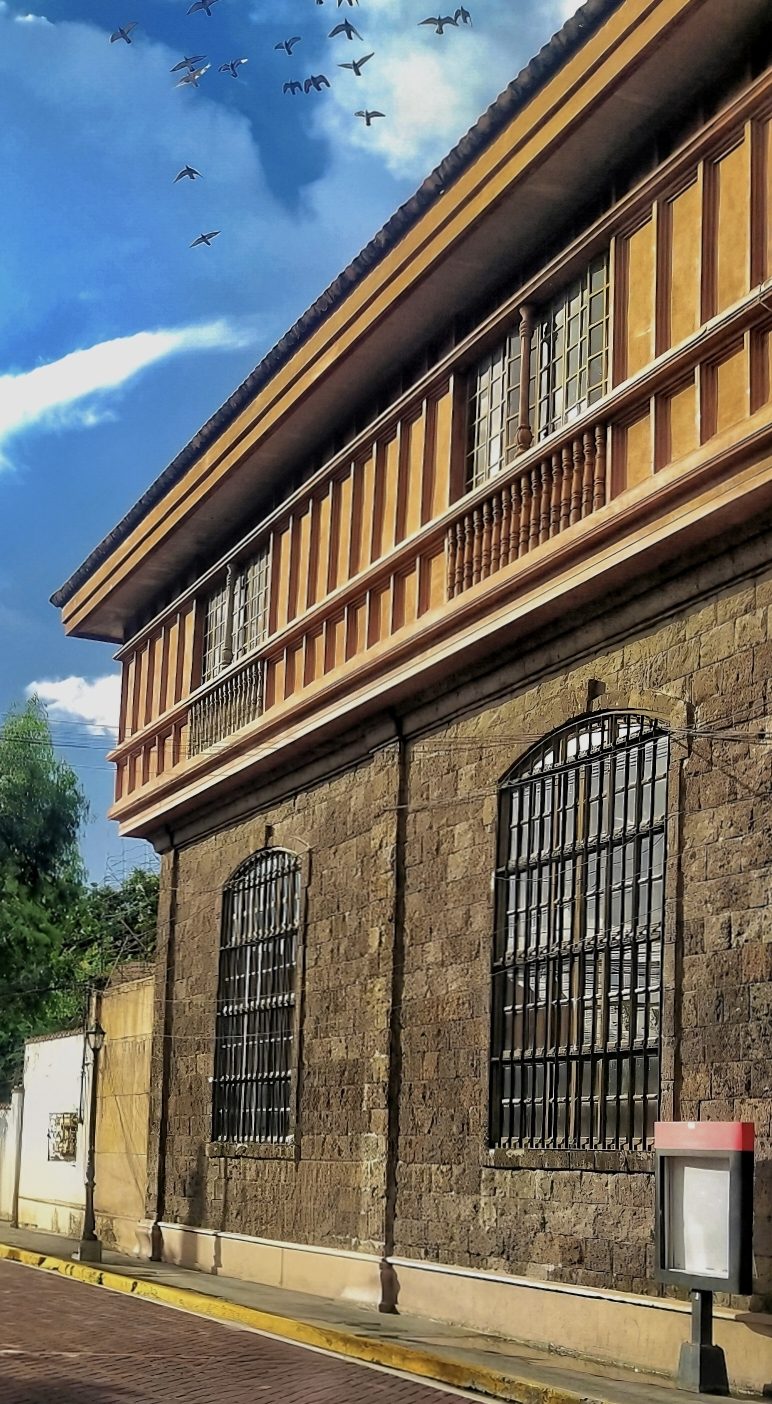
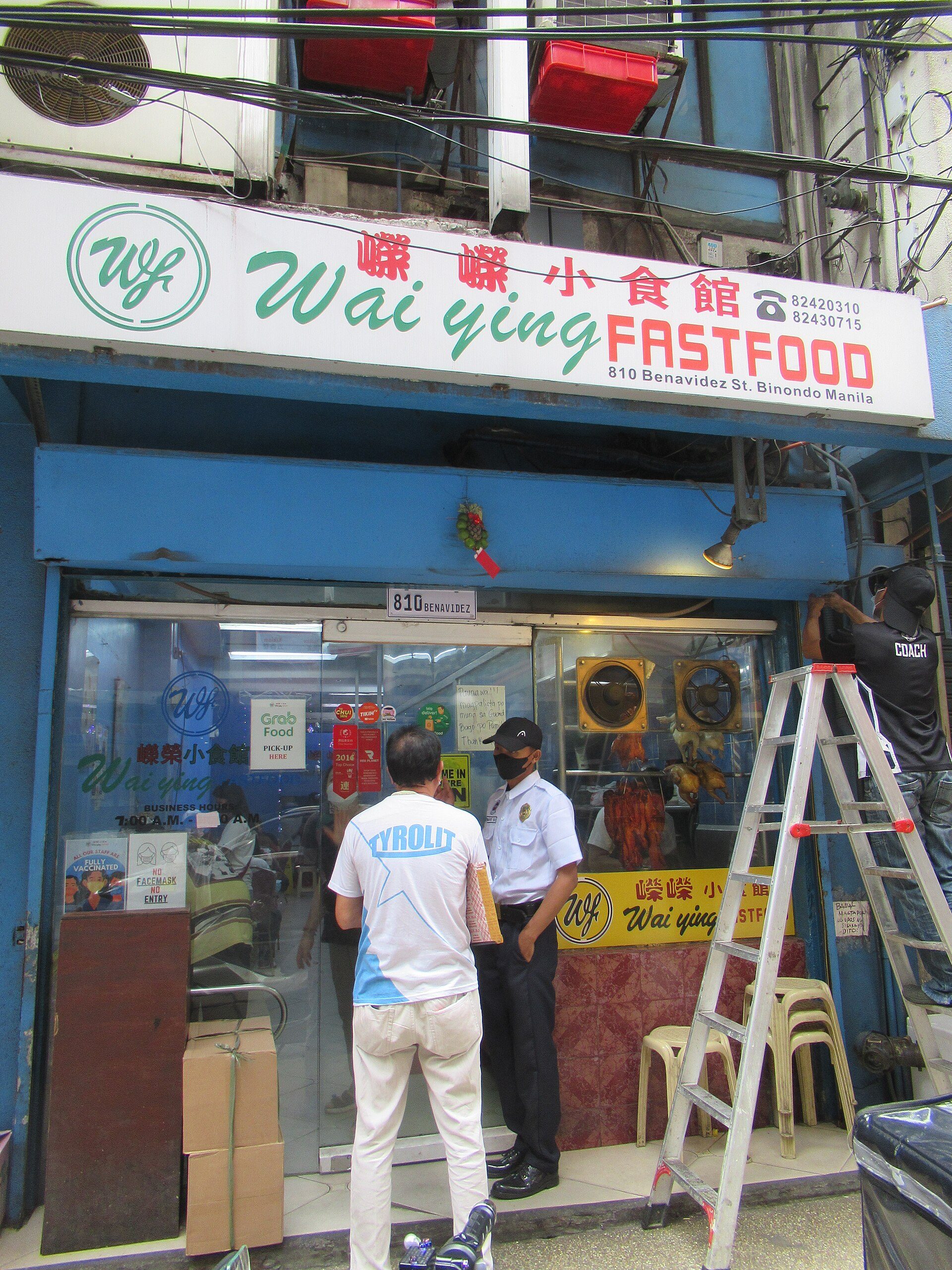
Street scene in Binondo, Manila
Photo by Judgefloro

How to plan your first 48 hours

Start with two compact zones

  • Anchor each day around one hub
  • One ticketed highlight per day
  • Keep evenings flexible

Manila works best when you plan by compact zones and avoid zig-zagging across the map. Anchor each day around one primary neighborhood, then add one or two nearby stops that fit your pace.

Prioritize one ticketed highlight per day in Manila, then fill the rest with walking, markets, and viewpoints. This keeps the schedule realistic and leaves space for spontaneous detours.

Evenings in Manila are often the most memorable part of the trip. Keep them flexible so you can follow the vibe, whether that is a riverside walk, a casual dinner, or a local market.

Intramuros in Manila
Photo by Twinkiedust

Arrival and airport transfers you can trust

Know the fastest rail options

  • Anchor each day around one hub
  • One ticketed highlight per day
  • Keep evenings flexible

Manila works best when you plan by compact zones and avoid zig-zagging across the map. Anchor each day around one primary neighborhood, then add one or two nearby stops that fit your pace.

Prioritize one ticketed highlight per day in Manila, then fill the rest with walking, markets, and viewpoints. This keeps the schedule realistic and leaves space for spontaneous detours.

Evenings in Manila are often the most memorable part of the trip. Keep them flexible so you can follow the vibe, whether that is a riverside walk, a casual dinner, or a local market.

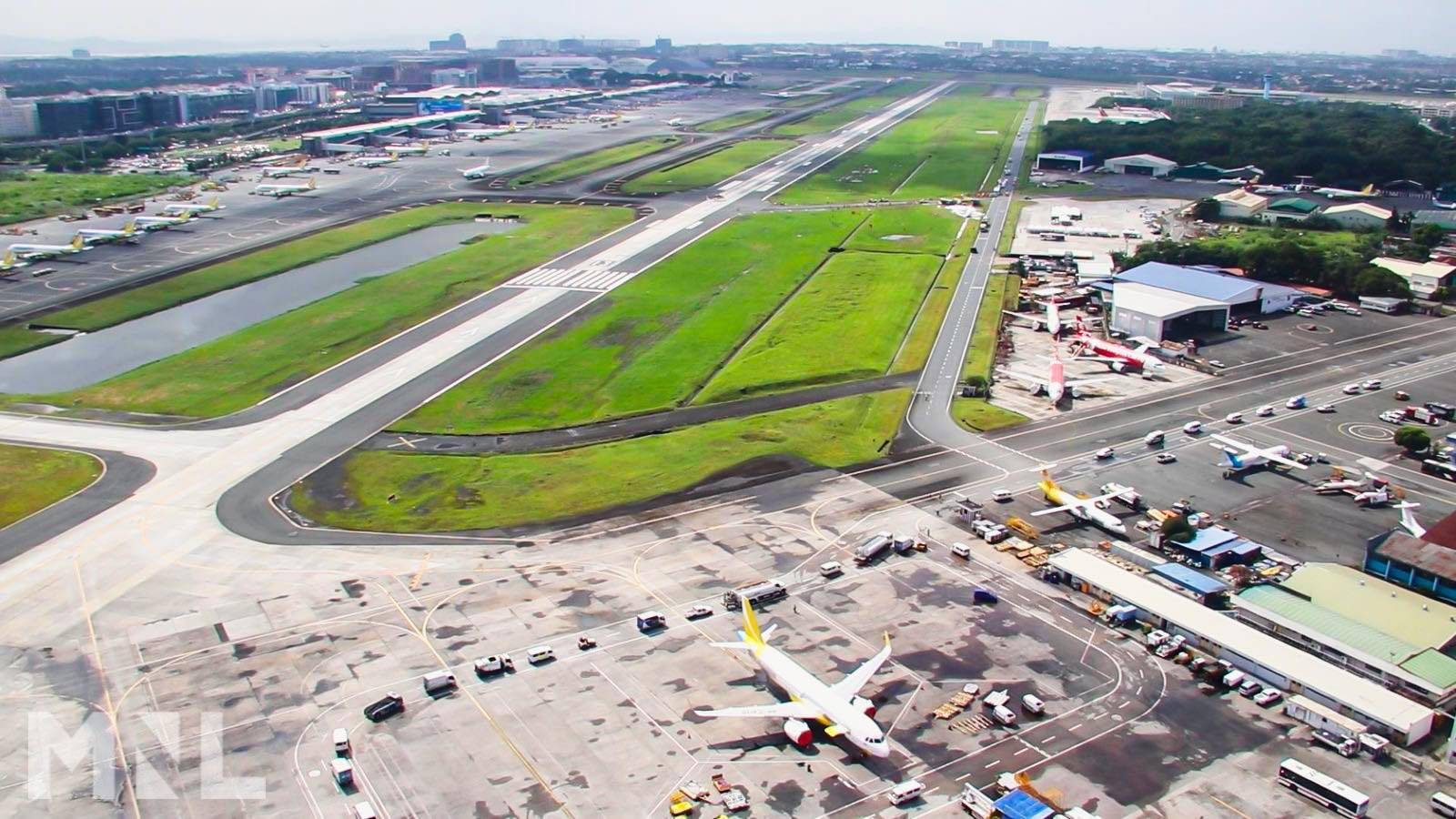
Airport arrival in Manila
Photo by Manila International Airport Authority

Arrival choices that keep day one usable in Manila

The cleanest transfer is usually the one that keeps the hotel handoff simple.

  • Match the transfer to your final district
  • Count the awkward last leg
  • Protect the first evening

Taxi, ride-hailing, airport bus, and hotel transfer are the main arrival options depending on terminal and final district.

In Manila, arrival usually feels easier when the first route matches your hotel and nearby walking area instead of chasing the absolute cheapest transfer.

The real win is arriving with enough energy left to take a short walk, eat well, and understand the neighborhood before the next morning.

Dining or market scene in Manila
Photo by Zarate123

Arrival checklist that saves time

A calm first hour makes the whole trip smoother.

  • Pin your hotel and nearest transit stop
  • Buy only the ticket you need
  • Keep your first transfer realistic

Know whether your accommodation is closer to a rail hub, bus stop, or taxi rank before you land.

Avoid overbuying passes before you understand the airport fare rules. In many cities, the airport transfer uses different ticket logic than normal urban rides.

Keep one fallback route ready in case lines are long, counters are closed, or your flight arrives off schedule.

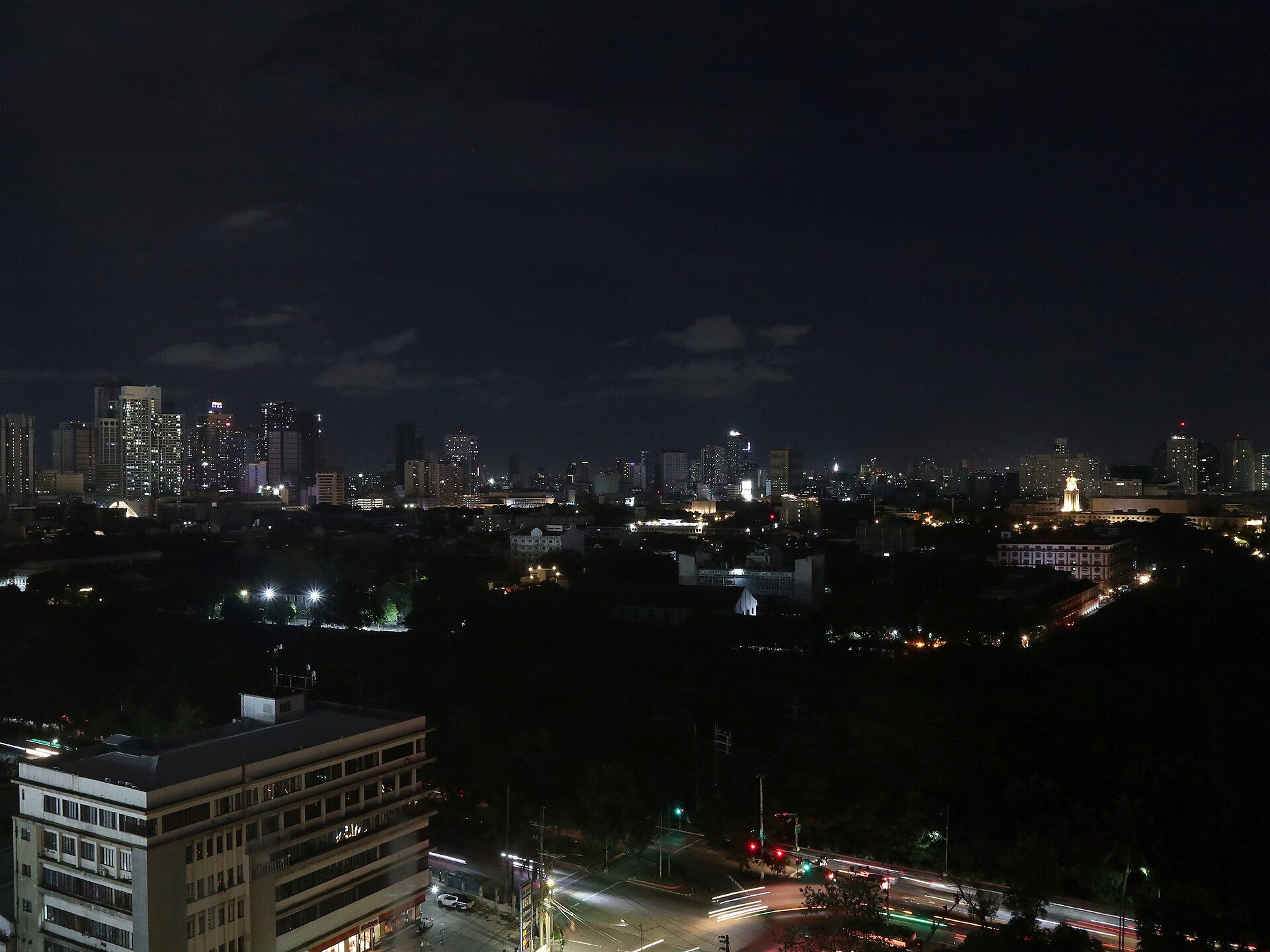
Night skyline in Manila
Photo by Patrickroque01

FAQ

Is the airport transfer in Manila easy for first-time visitors?
From NAIA, the smartest default is a pre-booked hotel transfer, airport taxi, or ride-hailing. The real issue is not distance but traffic timing, so late-evening arrivals and rush-hour arrivals can feel like different cities.
Should I use public transport or a taxi in Manila?
Use public transport when it is direct and fits your accommodation. Switch to a taxi or rideshare for very late arrivals, heavy luggage, or awkward hotel locations.