Food guide - United Kingdom - Europe

Restaurants and cafes in London

London works best when you stop treating it as one giant checklist and instead run it as compact corridor days: Westminster and the South Bank for first-trip orientation, Bloomsbury or South Kensington for museum gravity, one market-or-neighborhood evening in places like Soho, Marylebone, or Shoreditch, and only the cross-city moves that genuinely pay back the time they cost.

Best time: May to June and September for mild weather and long daylight.
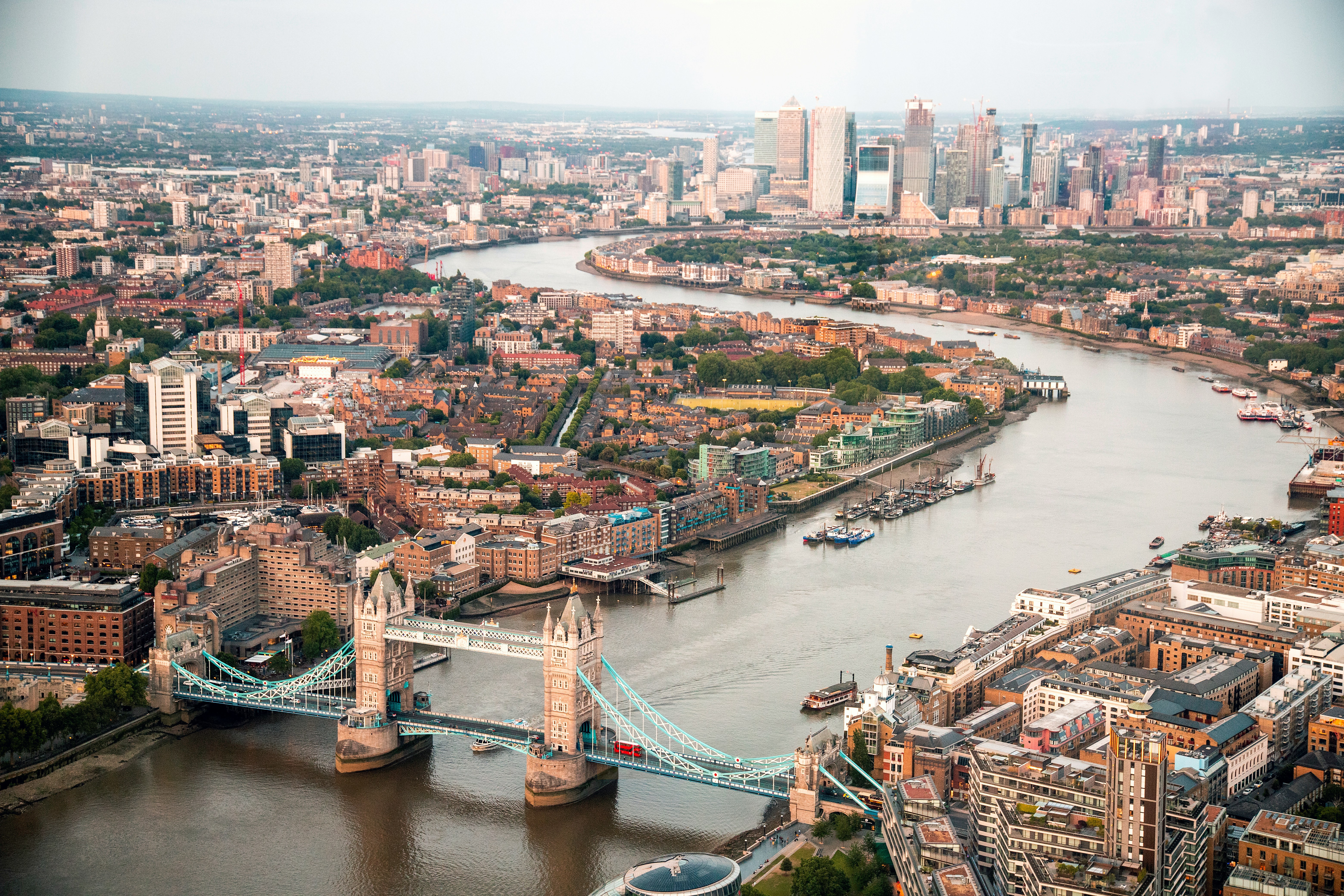
The Shard and the London skyline at dusk
Photo by Sander Crombach

Best areas

Covent Garden, Soho, and South Bank

Main rule

Keep meals tied to the district you are already using.

Trip rhythm

One strong dinner and one well-timed cafe stop are usually enough.

Key takeaways

Where to eat and pause well in London

Keep the list short, concrete, and tied to the districts you actually use.

  • Choose one lunch idea, one stronger dinner, and one cafe stop
  • Match food to the district, not the algorithm
  • Do not restart the whole route for every meal

In London, first-time food planning usually works best around areas like Covent Garden, Soho, and South Bank.

The goal is not to collect the longest list. It is to pick a few places that genuinely improve the day.

St. John

Smithfield

A proper London flagship meal when the trip wants one institution that actually says something about the city.

Expect roughly GBP 40-80 per person.

Gymkhana

Mayfair

A stronger destination dinner when the trip wants one polished London meal that is not just British-by-default.

Expect roughly GBP 70-130 per person.

Dishoom Covent Garden

Covent Garden

Best when the route already belongs to the theater-and-market core and you want one high-function dinner that still feels local to London's dining culture.

Expect roughly GBP 25-45 per person.

Monmouth Coffee

Covent Garden / Borough

A named coffee anchor that actually fits the best London walking routes.

Coffee and pastry usually cost GBP 6-12.

Prufrock Coffee

Farringdon

A stronger coffee-specific stop when the day already leans Clerkenwell, Holborn, or the postal-museum side of town.

Coffee and pastry usually cost GBP 6-13.
Colorful houses in Notting Hill
Photo by Life's Captured Sparks

How to build a better food day in London

A short route with the right stops almost always beats a famous place in the wrong area.

  • Lunch near the daytime route
  • Dinner near the evening district
  • Use cafes for resets, not detours

The strongest meal plan usually means one clear dinner target and lighter stops that fit the walking pattern of the day.

If a famous place forces a long extra transfer, it often costs more energy than it gives back.

Cafe stops matter most when they help you recover before the next block of sightseeing.

The Shard and the London skyline at dusk
Photo by Sander Crombach

What to book and what to keep flexible

Protect the places that are hard to replace, and keep the rest adaptable.

  • Book only the meals that are central to the trip
  • Keep one fallback district in mind
  • Use markets and bakeries to control the budget

One or two named places are usually enough for a short trip.

Everything else should stay flexible so weather, queues, or energy level do not ruin the evening.

Afternoon tea with pastries and teacups
Photo by Jon Handley

FAQ

Where should I eat in London on a first trip?
Start with the districts already in your route, especially Covent Garden, Soho, and South Bank, and use one lunch idea, one stronger dinner, and one cafe stop rather than trying to cover the whole city.
Do I need restaurant reservations in London?
Usually only for the places that are genuinely difficult to get into or especially important to you.