United Kingdom ? Europe

London Travel Guide

Royal landmarks, museums, markets, and neighborhoods along the Thames.

Best time: May to June and September for mild weather and long daylight.
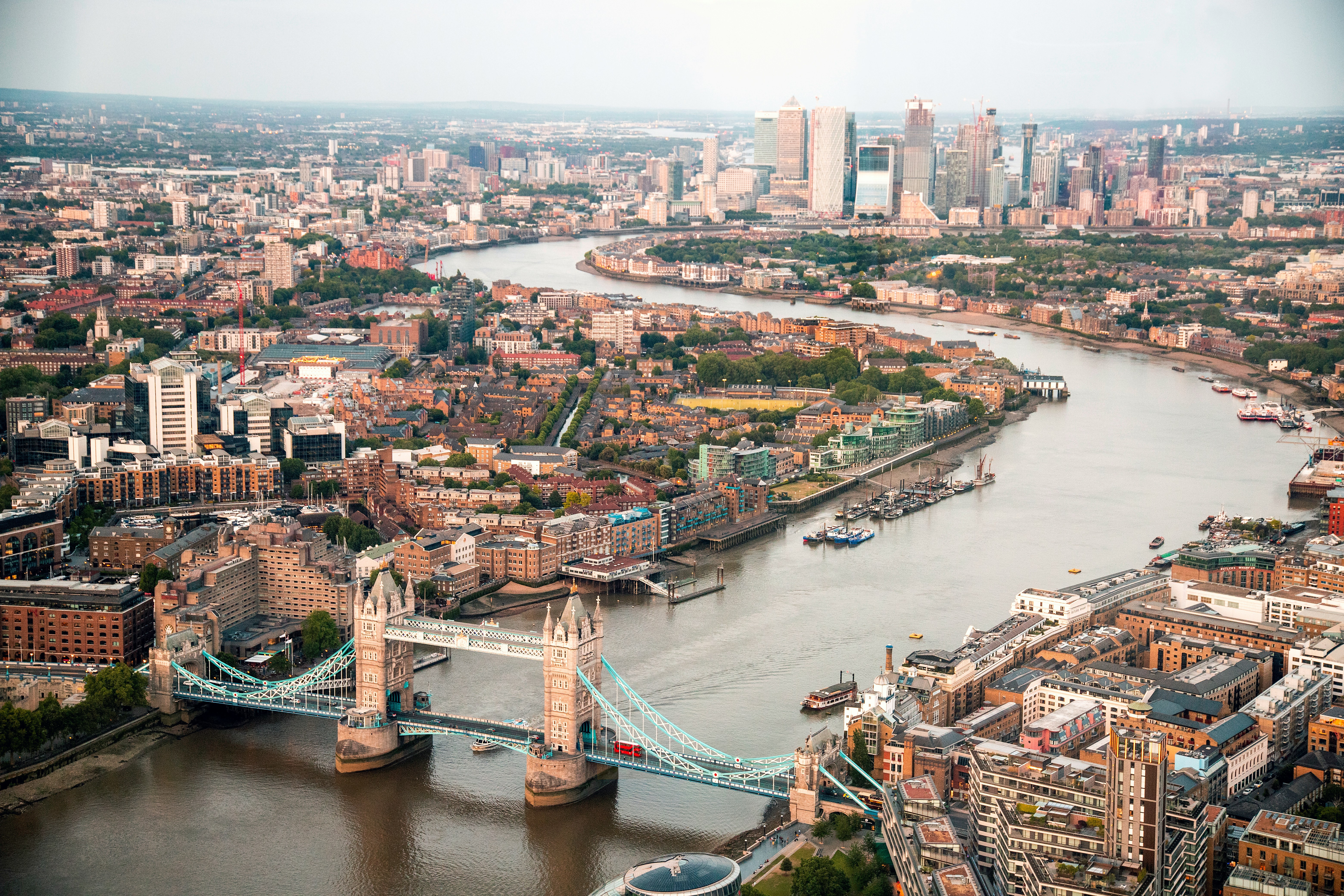
The Shard and the London skyline at dusk
Photo by Sander Crombach

Before you go

Arriving in London, plan extra time to reach your accommodation during peak hours. Use the airport transfer option that best matches your schedule and budget.

Reserve key attractions in London ahead of time if you travel in high season, and keep a digital copy of your tickets.

Climate by month

Jan

Cool and quiet

Layers and a warm jacket.

Feb

Crisp and calm

Short days, fewer crowds.

Mar

Mild early spring

Great for walking; pack layers.

Apr

Mild with showers

Light rain gear helps.

May

Warm and lively

Longer days and outdoor dining.

Jun

Warm and sunny

Peak energy starts.

Jul

Warm peak season

Book key sights early.

Aug

Warm and busy

Expect queues and higher prices.

Sep

Warm and relaxed

Excellent shoulder month.

Oct

Mild with cooler nights

Comfortable for sightseeing.

Nov

Cool and quieter

Shorter days, fewer tourists.

Dec

Mild and festive

Holiday lights and markets.

Quick highlights

  • Westminster & Big Ben
  • Tower of London
  • British Museum

Travel tips

  • Use contactless/Oyster for daily fare caps.
  • Book top attractions with timed tickets.

Cost overview

Budget: GBP 85-120

Mid-range: GBP 150-240

Luxury: GBP 320+

Meals: GBP 12-18 casual lunch

Transport: Daily cap GBP 8.90 (Zones 1-2)

Lodging: GBP 120-220 mid-range

Museum entry is often free; paid sights sell out.

Transport

Airport: Heathrow Express 15 minutes to Paddington; Gatwick trains 30-45 minutes; Stansted Express about 48 minutes to Liverpool Street; Luton DART 4 minutes to the terminal before rail to London.

Local: Tube, buses, and walking; contactless/Oyster caps daily fares.

Car rental: Not needed in the city; traffic and parking are costly.

Public transport in London is the easiest way to move between neighborhoods. A day pass often saves money if you take multiple rides.

Clothing by season

Winter: Warm coat, layers, closed shoes.

Spring: Light jacket and comfortable shoes.

Summer: Breathable clothes and sun protection.

Autumn: Light layers and a rain shell.

Pack with London's typical weather in mind and include one extra layer for evenings.

Where to stay

  • Covent Garden
  • Soho
  • South Bank
  • Notting Hill
  • Shoreditch

For first-time visitors, staying near Covent Garden keeps attractions and transit close.

Money and connectivity

Payments: Cards are widely accepted in London, but carry small cash for markets, taxis, or tips.

Connectivity: A local SIM/eSIM keeps navigation reliable in London; download offline maps as backup.

Tipping: Tipping customs vary; check local norms and note that service may be included.

Safety

Use standard big-city precautions in London: keep valuables secure and avoid poorly lit areas late at night.

Best areas to stay

Westminster

Central and walkable

Best for: First-time visitors

Westminster is a solid base for exploring London with easy access to transit and dining.

South Bank

Dining and nightlife

Best for: Food lovers

South Bank is a solid base for exploring London with easy access to transit and dining.

Shoreditch

Local and relaxed

Best for: Longer stays

Shoreditch is a solid base for exploring London with easy access to transit and dining.

2-day itinerary

Day 1

  • Historic core
  • Main landmark
  • Local dinner

Day 2

  • Neighborhood walk
  • Market or museum
  • Sunset viewpoint

7-day itinerary

Day 1

  • Historic core
  • Westminster
  • Local dinner

Day 2

  • Neighborhood walk
  • Tower Bridge
  • Sunset viewpoint

Day 3

  • Iconic landmark
  • British Museum
  • Evening stroll

Day 4

  • Local markets
  • Westminster
  • Cafe time

Day 5

  • Day trip or waterfront
  • South Bank
  • Casual dinner

Day 6

  • Museums or galleries
  • Shoreditch
  • Night walk

Day 7

  • Shopping and final stroll
  • Souvenirs
  • Departure prep

Full travel guide

How to plan your first 48 hours

Start with two compact zones

  • Anchor each day around one hub
  • One ticketed highlight per day
  • Keep evenings flexible

London feels huge on paper, but it becomes manageable when you treat it as a set of compact zones. Plan day one around Westminster, St James's, and the South Bank, then day two around Covent Garden, Soho, and the British Museum area. Keeping each day in two nearby zones saves hours of transit and keeps your energy up.

Pick one major ticketed highlight per day and build the rest around walking, markets, and viewpoints. For a short visit, that could be Westminster Abbey or the Tower of London on day one, then a museum or show on day two. The city rewards walking because many of the best moments happen between stops.

Use your first morning to build a mental map. A long walk from Westminster Bridge to Covent Garden (via Whitehall and Trafalgar Square) gives you an instant feel for scale and helps you navigate the rest of the trip without over-relying on transit.

Keep evenings looser. London's best nights are often spontaneous; pubs, riverside walks, and markets are easiest when you are not racing to the next reservation.
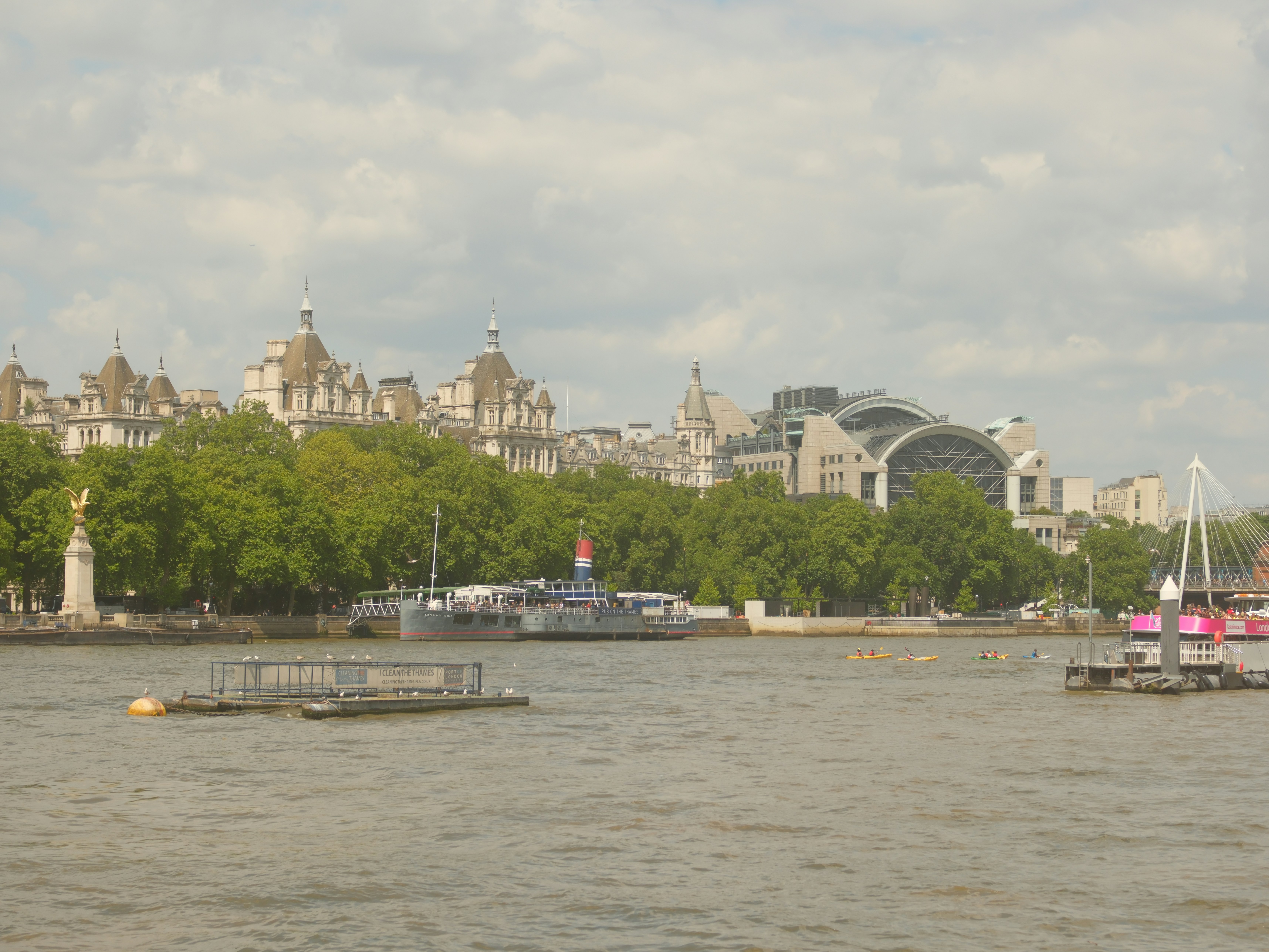
London skyline over the River Thames
Photo by Rohan Gangopadhyay
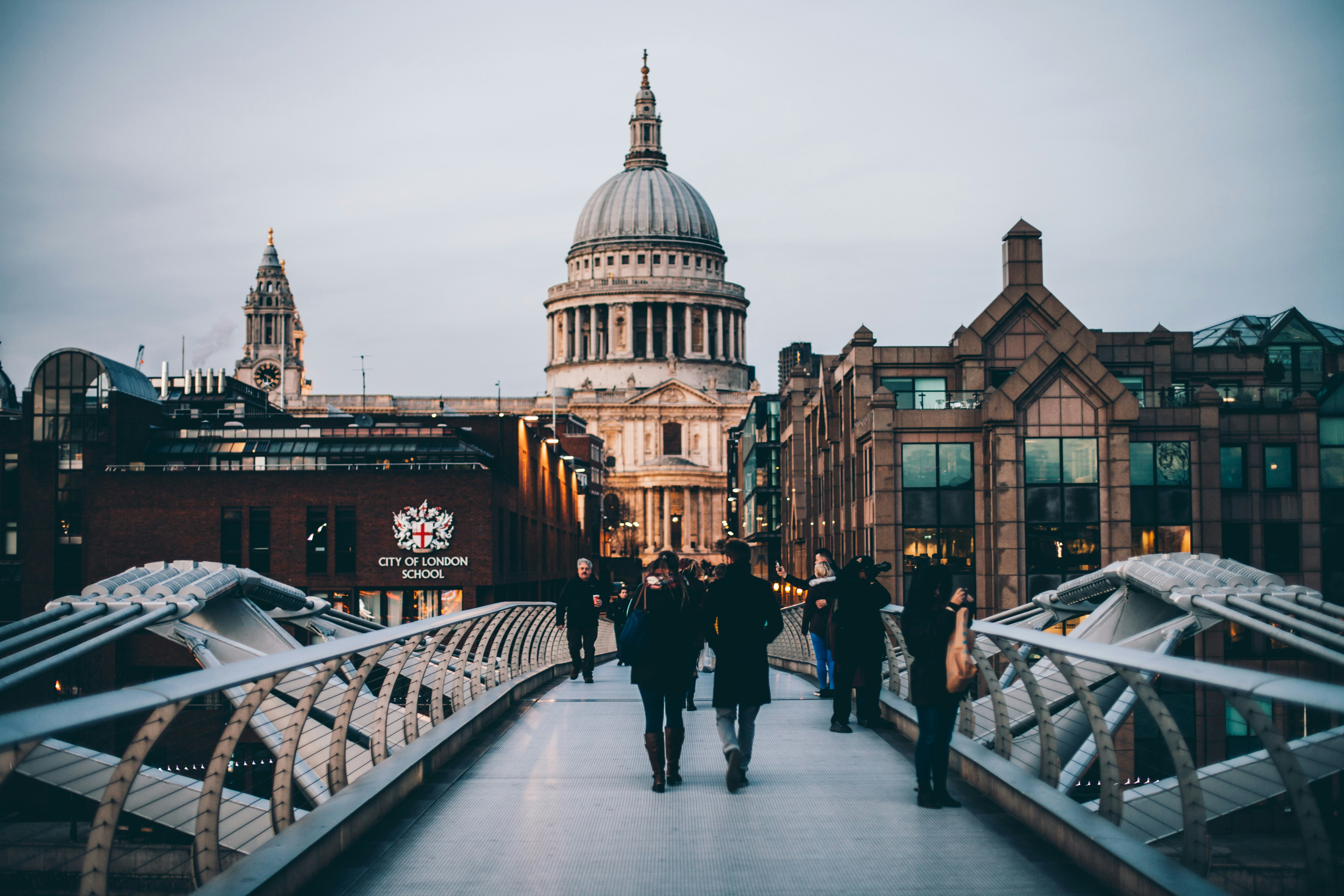
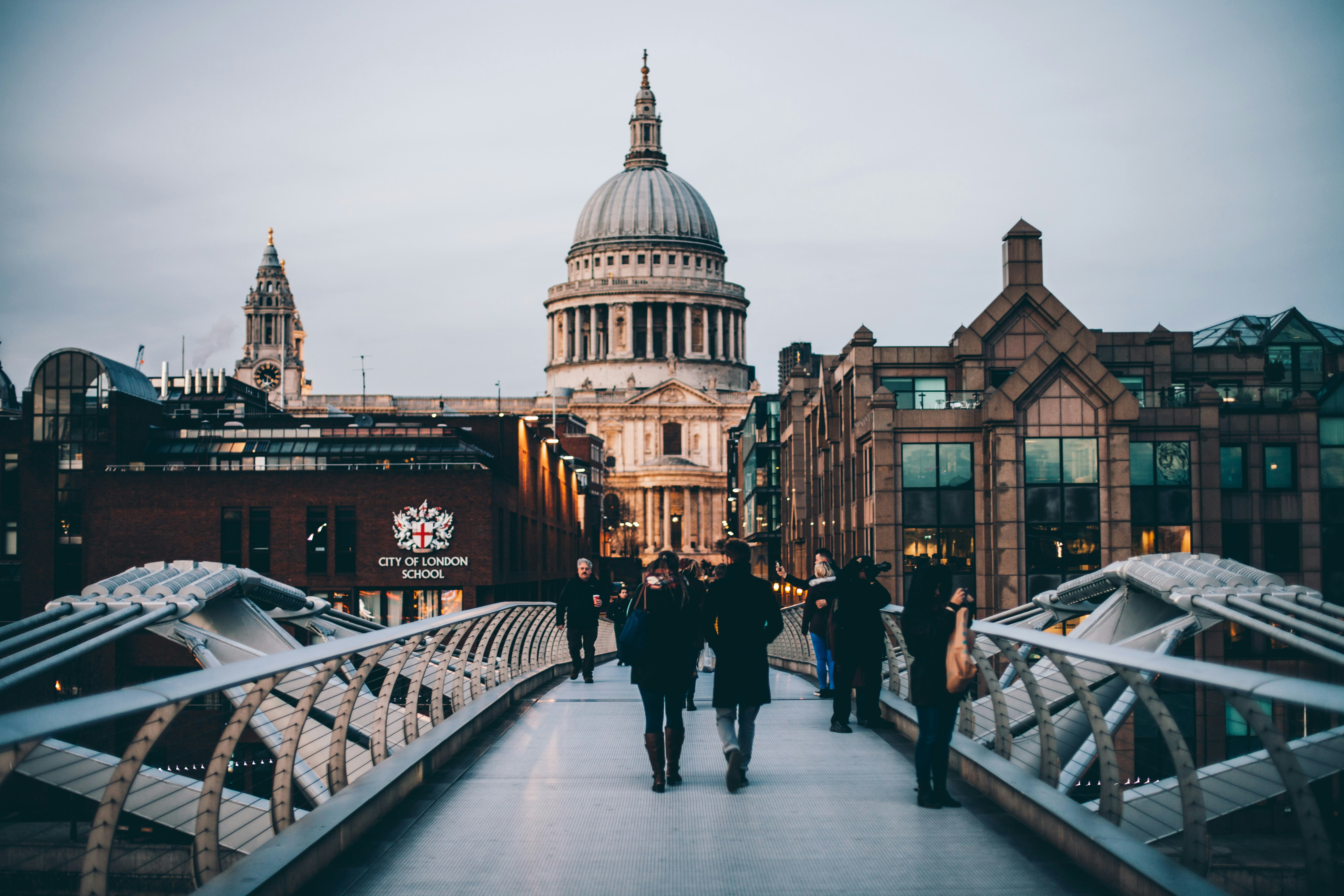
St Paul's Cathedral facade
Photo by Anthony DELANOIX

Arrival and airport transfers you can trust

Know the fastest rail options

  • Heathrow Express is 15 minutes
  • Gatwick trains are 30-45 minutes
  • Stansted Express averages 48 minutes

London has multiple airports, so your transfer plan depends on where you land. From Heathrow, the Heathrow Express is the fastest rail option with a journey time of about 15 minutes to Paddington. If you want a lower-cost option, the Elizabeth line and Tube are slower but convenient for central stops.

Gatwick has frequent trains into London. The airport notes typical train times of about 30-45 minutes to central London, with Gatwick Express and other rail services running to Victoria and beyond. Pick the train that best matches your final neighborhood rather than defaulting to the express.

Stansted Express runs to Liverpool Street with an average journey time of about 48 minutes, which is usually the fastest rail choice from that airport. Trains run throughout the day and are designed for quick, direct access to the city.

For Luton, the Luton DART covers the short rail link between Luton Airport Parkway and the terminal in roughly four minutes. From Parkway, trains run to central stations like St Pancras. City Airport is the most central option and connects quickly via DLR to the Tube network.

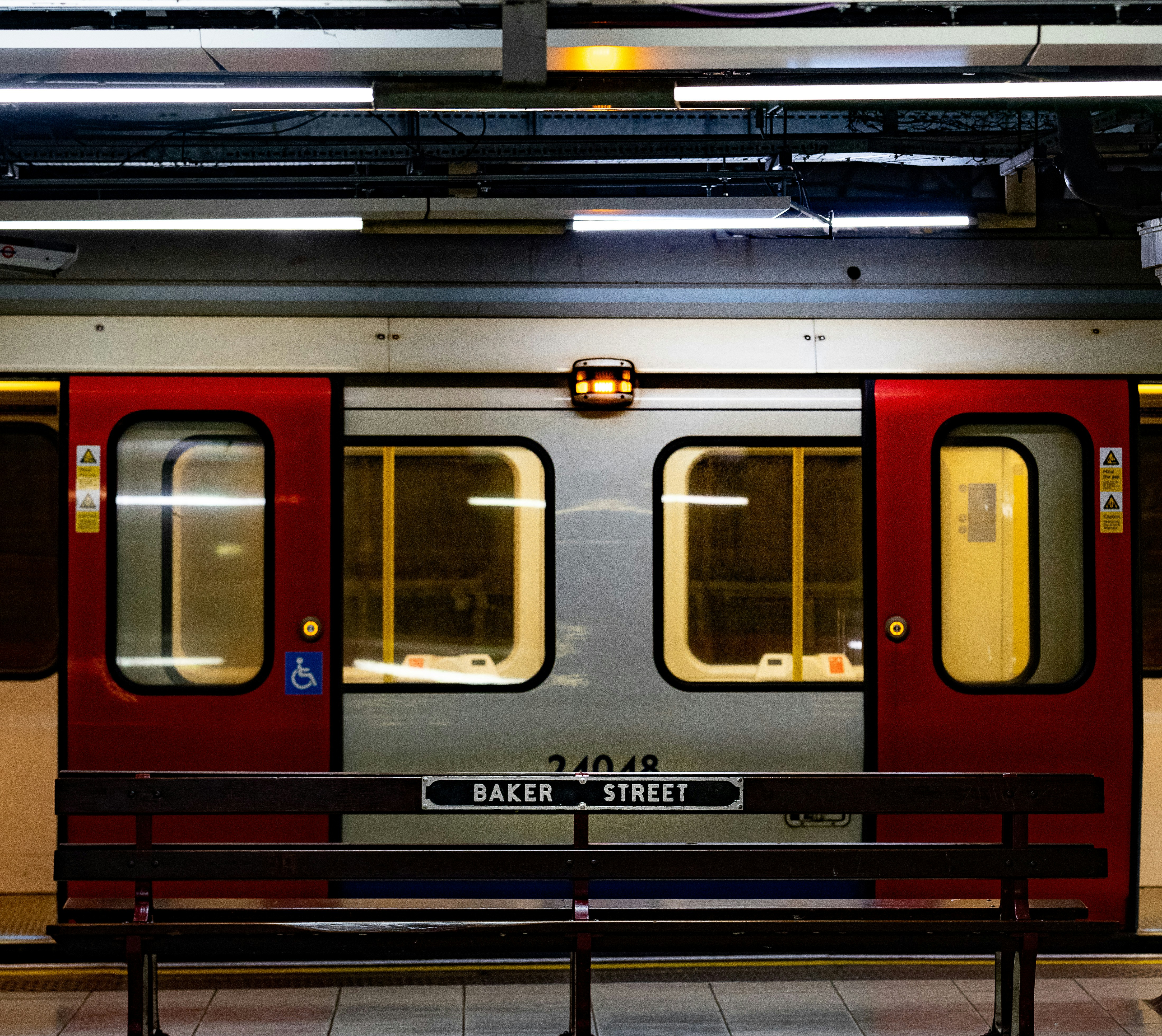
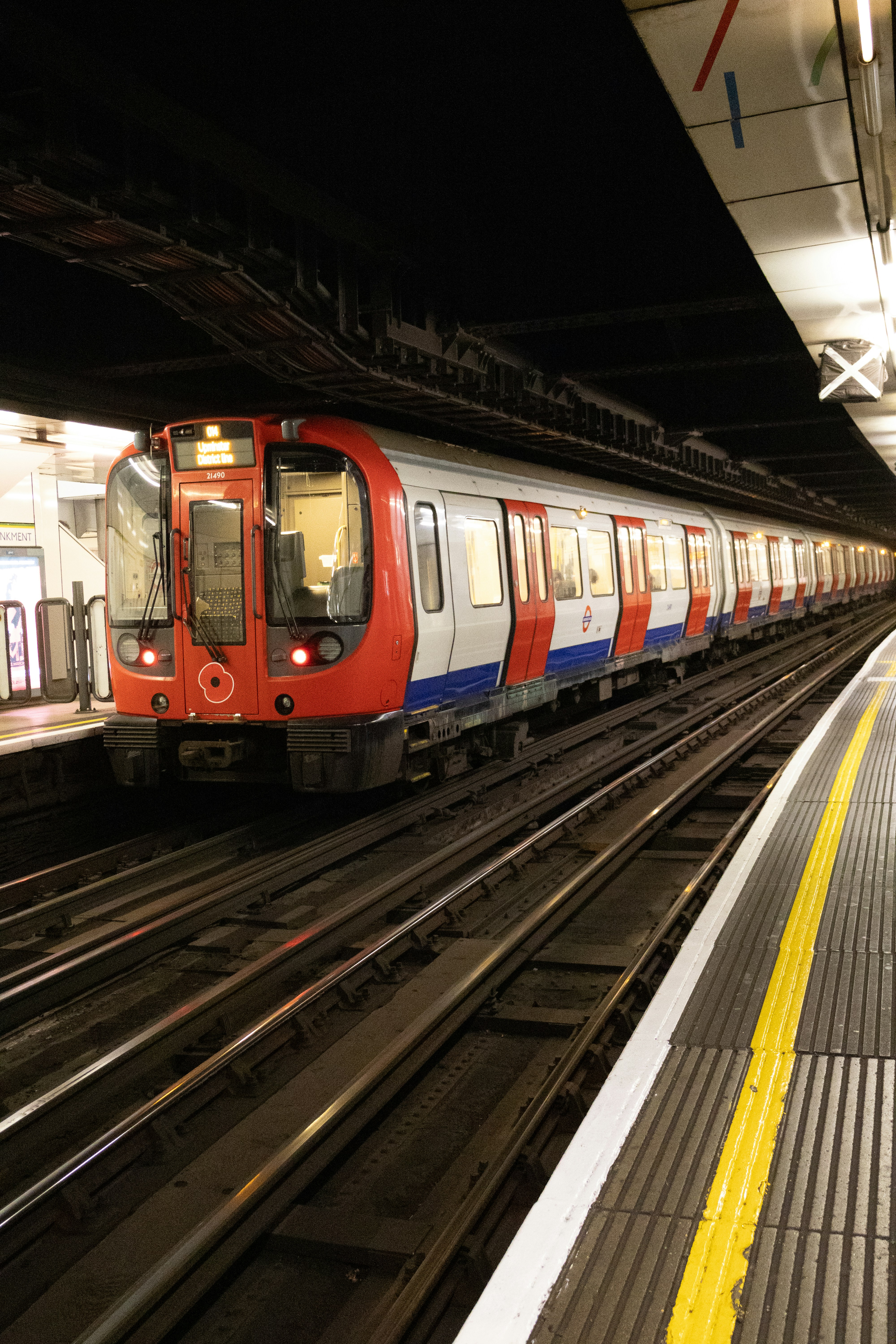
London Underground platform and train
Photo by Tanya Barrow
Underground escalator tunnel
Photo by Nikhil

Where to stay and how to choose a base

Pick a neighborhood that matches your pace

  • Covent Garden = central and walkable
  • South Bank = riverside and calm
  • Shoreditch = nightlife and design

If this is your first visit, a central base saves time. Covent Garden, Soho, and the West End keep you near major theaters, dining, and easy Tube connections. You can walk to many classic sights and keep evenings spontaneous.

South Bank and Bankside are excellent for river views, Tate Modern, and a calmer vibe while still staying central. South Kensington is great for museum access and a slightly quieter residential feel.

For a more local energy, Shoreditch and Spitalfields offer creative cafes, markets, and nightlife. Notting Hill delivers a classic residential London feel with charming streets and easy access to Hyde Park.

Prioritize proximity to a major Tube line over a single attraction. A fast commute makes the whole week smoother, especially if you want to explore multiple boroughs.

Colorful houses in Notting Hill
Photo by Life's Captured Sparks

Getting around the city without wasting time

Use contactless and a daily cap

  • Daily cap for Zones 1-2 is GBP 8.90
  • Walk between close neighborhoods
  • Save rideshares for late nights

London's Tube and buses are the fastest way to cover distance, but walking between adjacent neighborhoods often beats hopping on and off trains. Use the Tube for longer jumps and walk the rest.

If you use contactless or an Oyster card, your fares are capped each day. For Zones 1-2 the adult daily cap is GBP 8.90, which makes frequent rides better value than buying individual tickets. Once you hit the cap, additional rides in those zones are effectively free.

Buses are useful for short cross-town hops and sightseeing. If you plan to ride a lot in one day, start early so you reach the cap quickly and keep moving without hesitation.

Save taxis and rideshares for late-night returns or airport transfers when you have luggage. Traffic is slow, and the Tube is often faster.

Red double-decker bus in London
Photo by Anna Claire Schellenberg
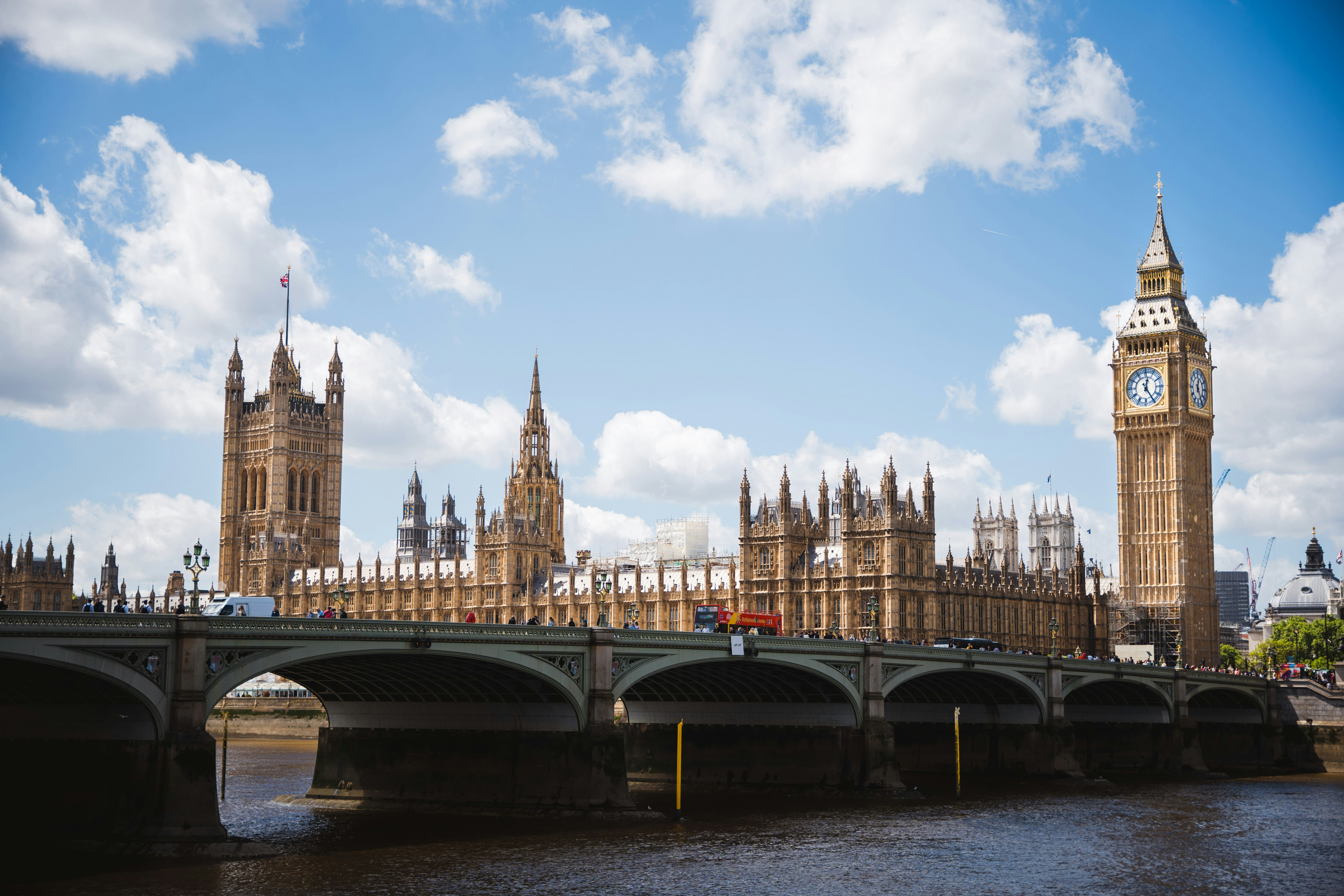
Big Ben with a red London bus
Photo by Pietra Cruz

Costs, budgeting, and how to avoid surprise expenses

Set a daily rhythm and stick to it

  • Plan one premium experience
  • Use meal timing to control costs
  • Transit caps keep rides predictable

London can be expensive, but the cost is manageable when you plan a few intentional splurges. Decide in advance which premium experience matters to you most and keep the rest of the days moderate.

Use lunch as your main paid meal and keep dinners casual in markets or pubs. Many restaurants offer set menus or lunch specials that are noticeably better value than dinner.

Transit is predictable thanks to daily caps, so transportation won't surprise you if you stick to public transit. The biggest swings are accommodation and ticketed attractions, so focus your budget there.

A simple method is to keep a daily cash envelope for snacks and small purchases. It prevents the city from adding hidden costs across the week.

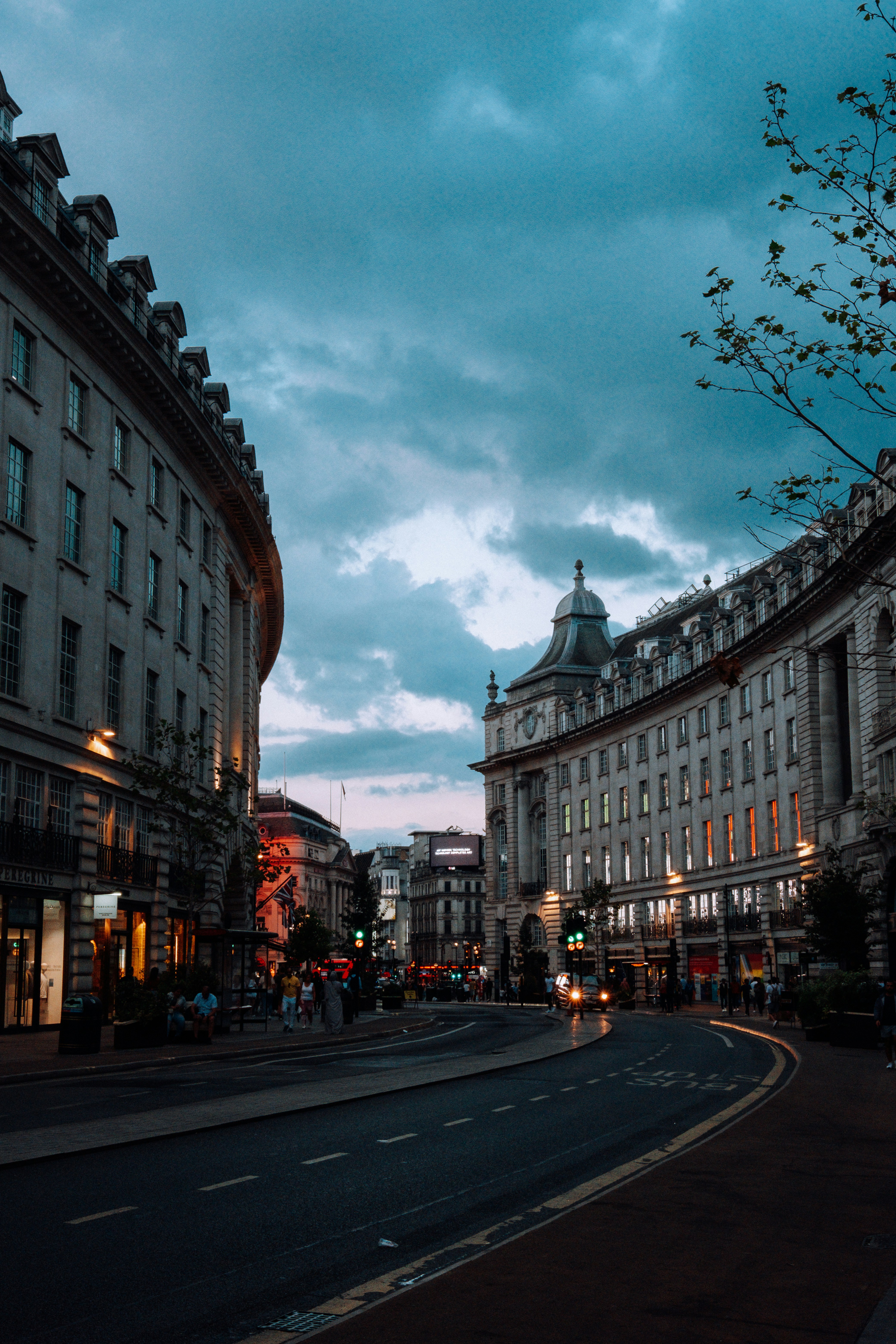
Piccadilly Circus lights and city crowd
Photo by Rahul Chakraborty

Food culture and how to eat well without overplanning

Balance classic dishes with markets

  • Try fish and chips or a Sunday roast
  • Book one standout meal
  • Markets are easy, high quality

London's food scene is global, but a few classic local experiences are worth planning. Try fish and chips in a traditional pub, a Sunday roast if you are in town on the weekend, and a proper afternoon tea at least once.

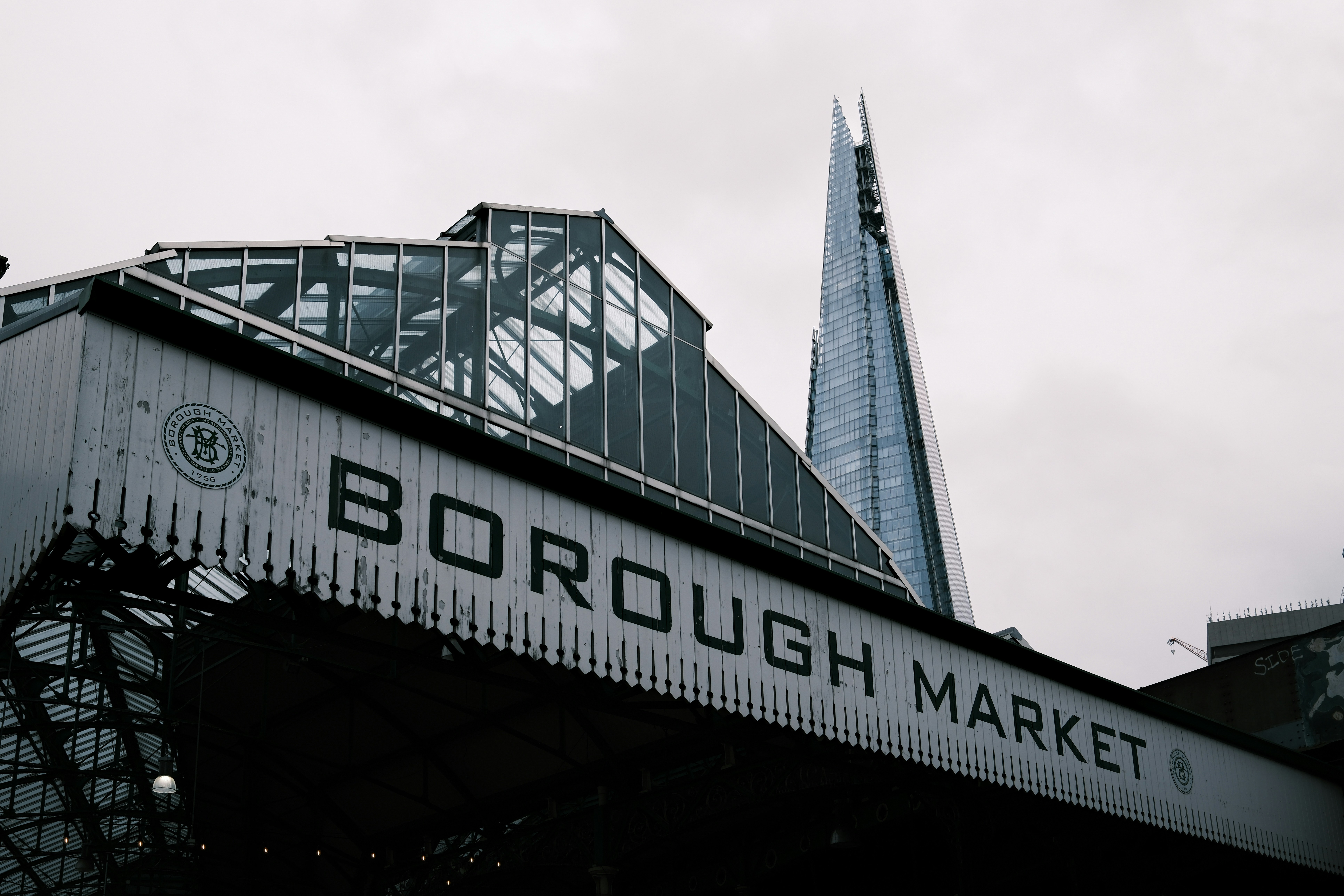
Markets make the city easy to eat. Borough Market is the famous one, but smaller markets in Soho, Spitalfields, and Camden give you great variety without reservations. They are also efficient when you have a long sightseeing day.

If you love international food, plan one evening around Brick Lane for curry or around Chinatown for late-night noodles. London is excellent for global cuisine, so make room for one international meal too.

Book one standout meal and keep the rest flexible. It keeps the trip relaxed and avoids spending hours on reservation logistics.

Afternoon tea with pastries and teacups
Photo by Jon Handley
Cheese display at a London market
Photo by Kamsin Kaneko

Attractions, viewpoints, and how to prioritize

Iconic highlights first

  • Westminster + Tower of London
  • British Museum + National Gallery
  • Walk the South Bank

London has more iconic sights than you can fit into a short trip, so choose a few high-impact ones. For first-timers, Westminster, the Tower of London, and the British Museum are the most classic anchors.

Balance museum time with open-air exploring. A walk along the South Bank connects the London Eye, Tate Modern, and food markets while keeping the day relaxed.

If you want a viewpoint, consider The Shard (paid) or Sky Garden (free but needs booking). Both give you a broad view of the city's layout, which helps orient the rest of your trip.

Plan ticketed attractions for mornings to avoid the biggest crowds. Then use afternoons for markets, parks, and neighborhood wandering.

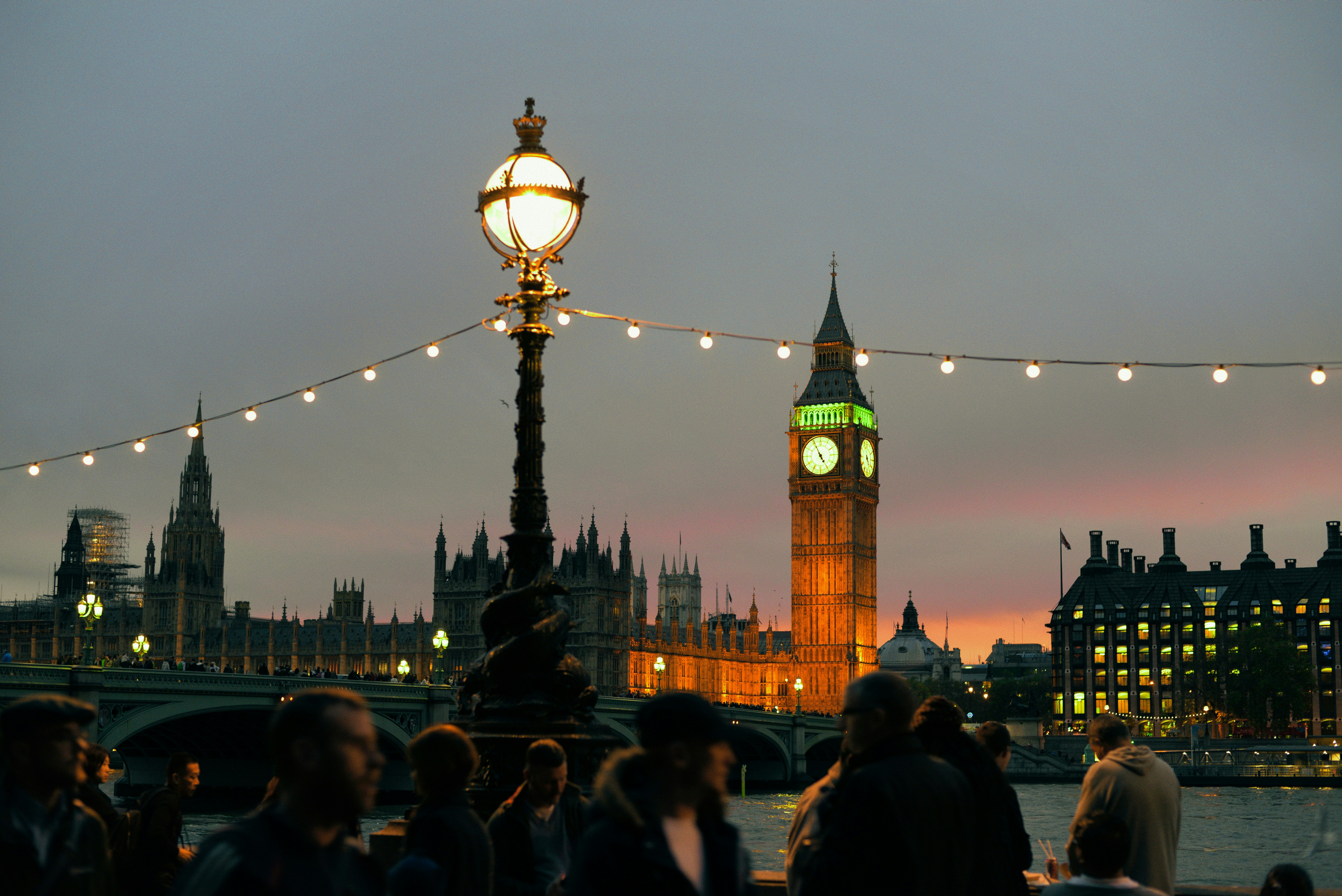
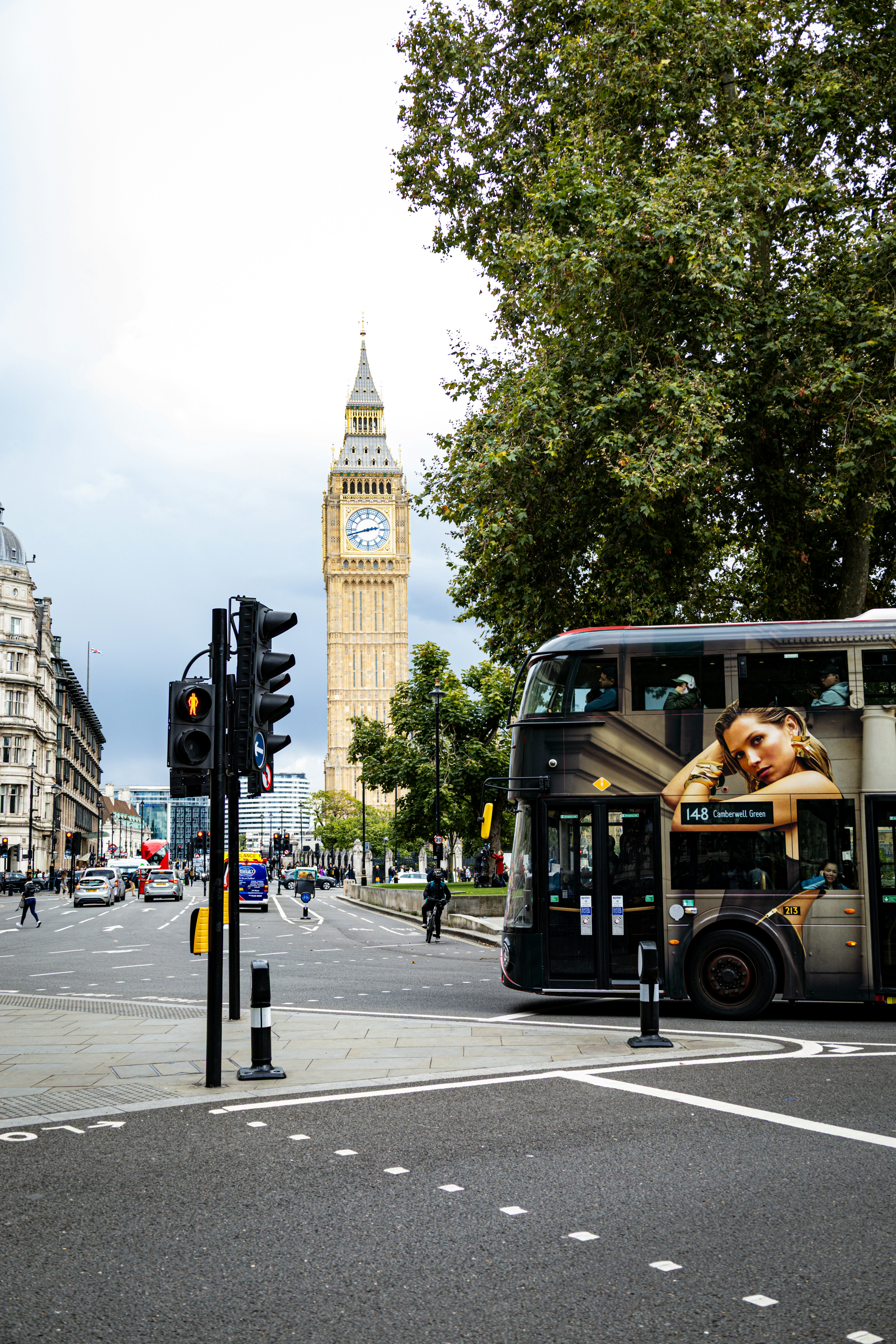
Big Ben and Westminster Palace
Photo by Pedro Carballo

Seasonal packing and weather mindset

Pack for quick weather shifts

  • Carry a light rain layer
  • Comfortable shoes are essential
  • Evenings cool down fast

London weather changes quickly, and rain can appear even on a sunny day. Always pack a light waterproof layer and shoes you can walk in for hours.

Spring and autumn are ideal for layering. Summer is comfortable but can still turn cool in the evenings near the river. Winter is damp rather than extreme, so warmth and waterproofing matter more than heavy insulation.

If you plan to visit museums and theaters, you can dress smart-casual without feeling out of place. A versatile jacket is the single most useful item for a London trip.

Hyde Park lawns and trees
Photo by Samuel Regan-Asante

Common mistakes and how to avoid them

Slow down to see more

  • Don't zig-zag across the city
  • Book key tickets early
  • Keep your evenings close to base

The biggest mistake is trying to see too much in one day. London is large, and crisscrossing the city wastes time and energy. Group attractions by neighborhood and keep each day tight.

Another mistake is skipping advance tickets for top sites. The Tower of London, Westminster Abbey, and popular observation decks are smoother with a timed entry ticket.

Finally, people often underestimate how long evenings take. If you plan a late show or dinner, choose a base nearby so you don't spend another hour on transit at the end of the night.

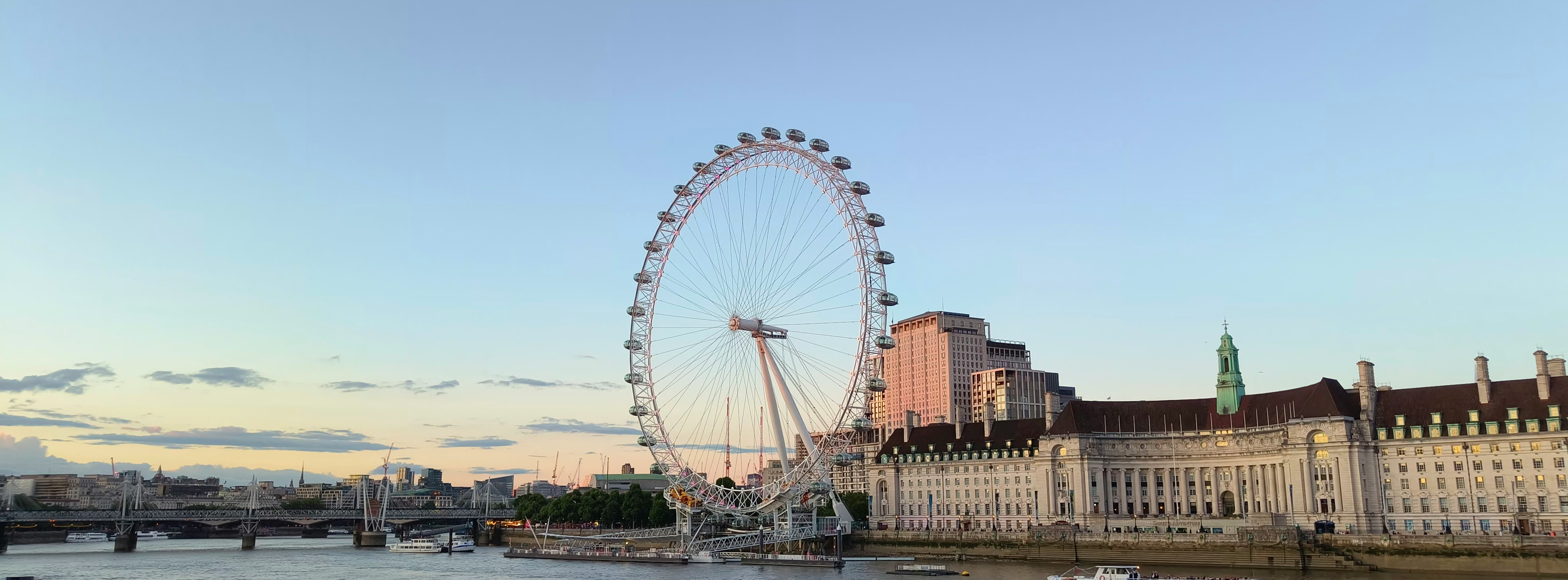
The London Eye by the Thames
Photo by Huy Khuat

Neighborhood day loops for a smoother trip

Build loops instead of lists

  • Westminster to Covent Garden
  • South Bank to Borough
  • Notting Hill to Kensington

A good London day loop might start at Westminster, continue through St James's, and finish in Covent Garden or Soho for dinner. This keeps walking distances short and avoids unnecessary Tube rides.

Another easy loop is the South Bank: London Eye, Tate Modern, Borough Market, and a riverside walk back toward the city. You get landmarks, food, and skyline views in one route.

If you want a calmer day, build a loop around Notting Hill, Hyde Park, and Kensington. The pace is slower, the streets are quieter, and it is ideal for a relaxed afternoon.

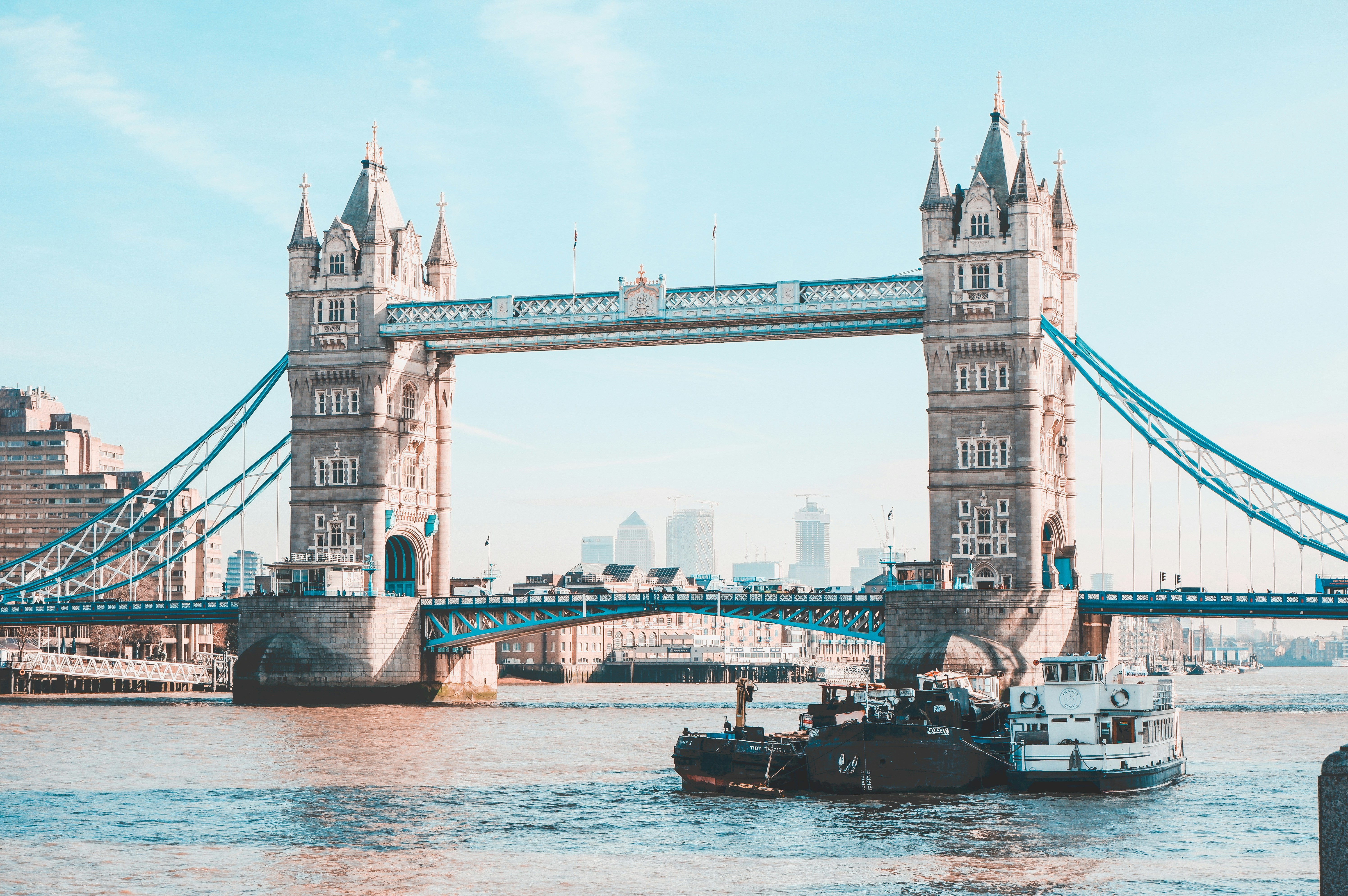
Tower Bridge and the Thames riverboats
Photo by Luca Vavassori

Evenings, nightlife, and how to pace them

Plan one late night, not every night

  • West End shows sell out
  • Soho for bars
  • Riverside nights are calmer

London nights can run late, especially in Soho and the West End. If you want a show, book in advance and plan dinner nearby. It saves time and keeps the evening smooth.

For a more relaxed evening, walk the South Bank at sunset and pick a casual riverside spot for dinner. It's scenic and far less hectic than hopping between bars.

If nightlife is a priority, Shoreditch is the creative hub with bars and clubs, while Soho is more central and tourist-friendly. Choose based on your energy level and how late you want to be out.

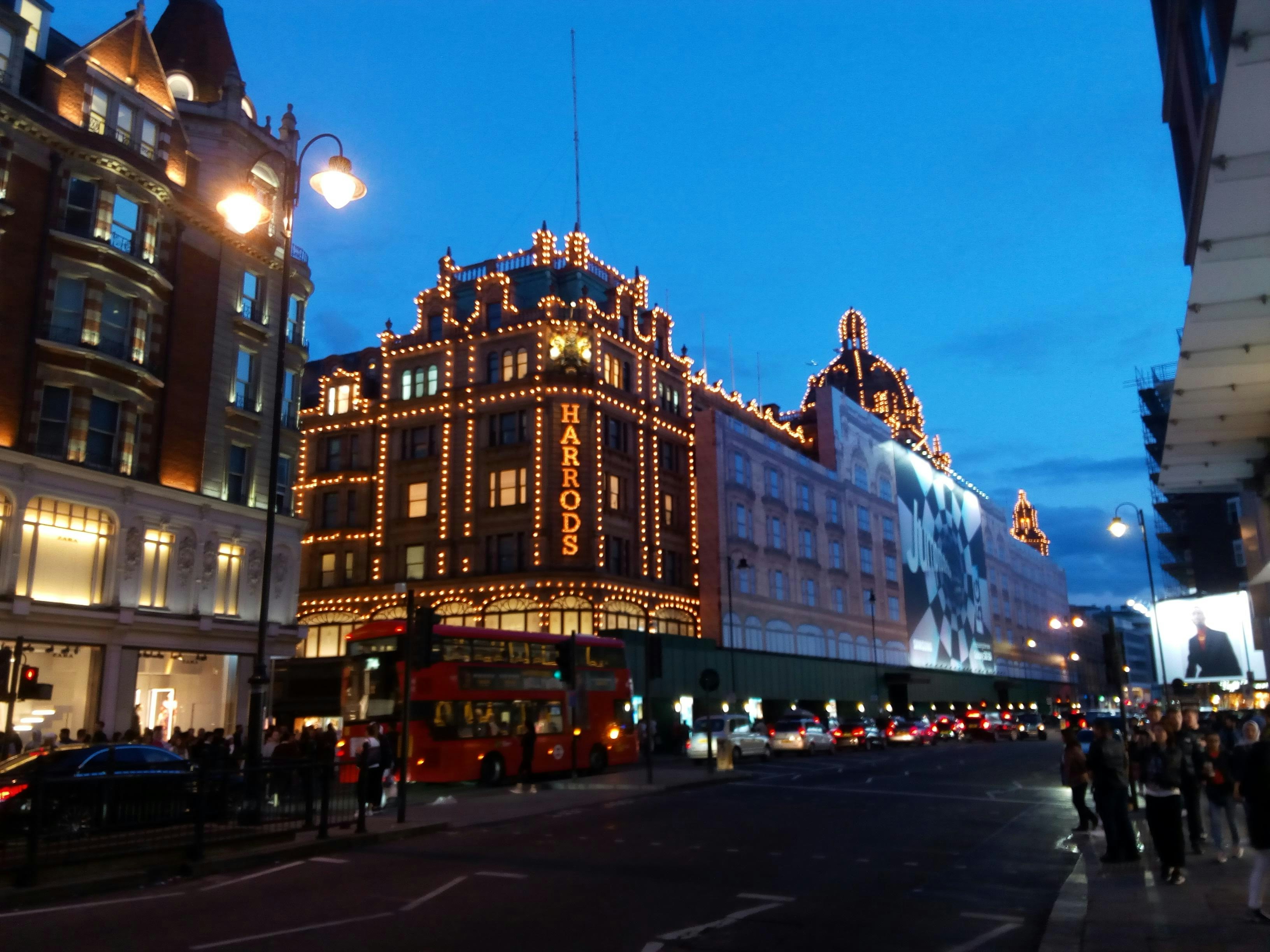
Harrods department store at night
Photo by JOE Planas

Practical checklist before you go

Keep it simple

  • Contactless or Oyster ready
  • Tickets saved offline
  • Neighborhood map pinned

Set up contactless payment or an Oyster card before you arrive. It saves time at stations and automatically applies fare caps.

Download tickets for any booked attractions so you can access them without mobile signal. This is especially useful in Underground stations.

Pin your lodging and the nearest Tube station on your map app. When you are tired late at night, those saved pins make navigation much easier.

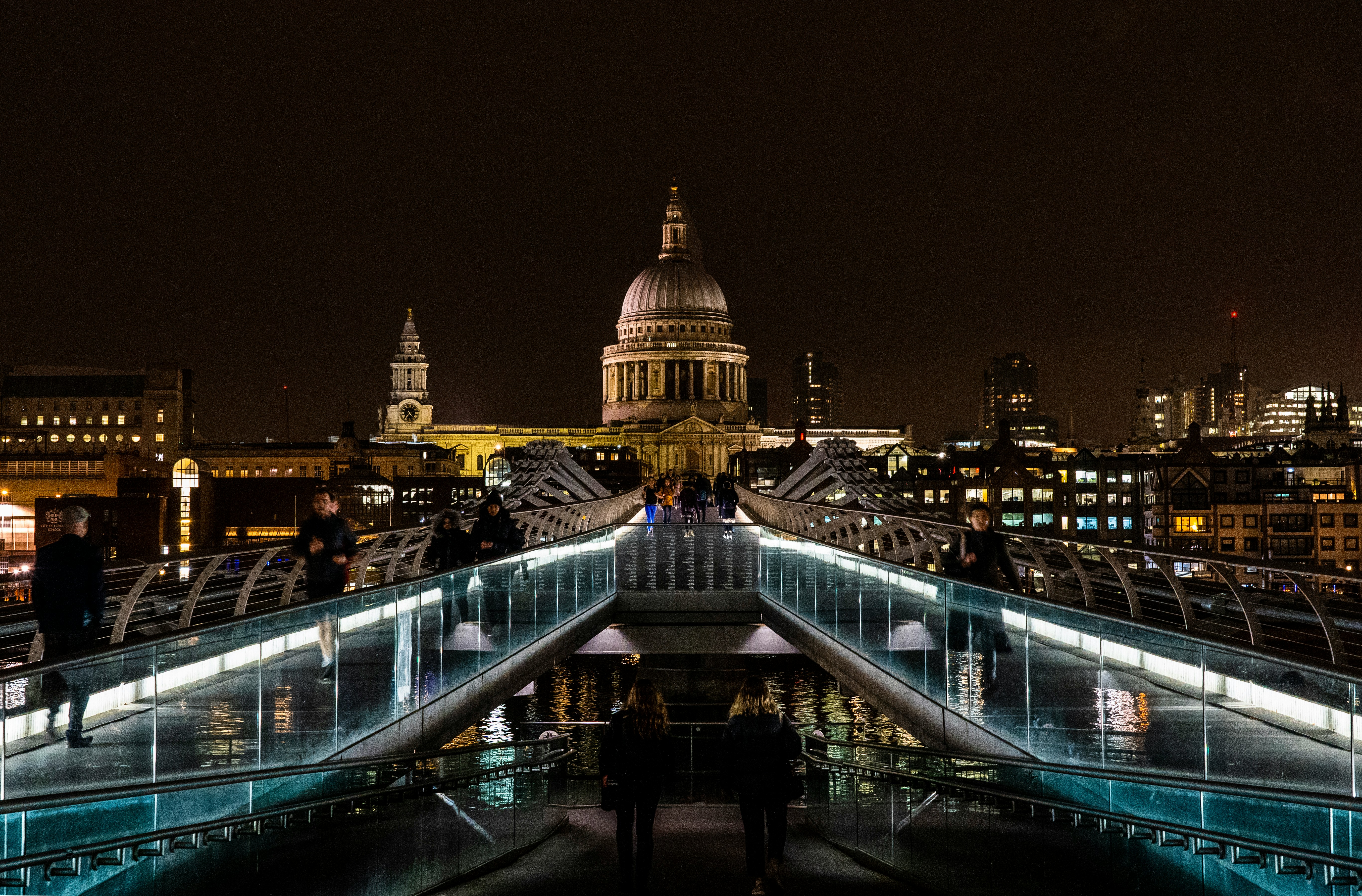
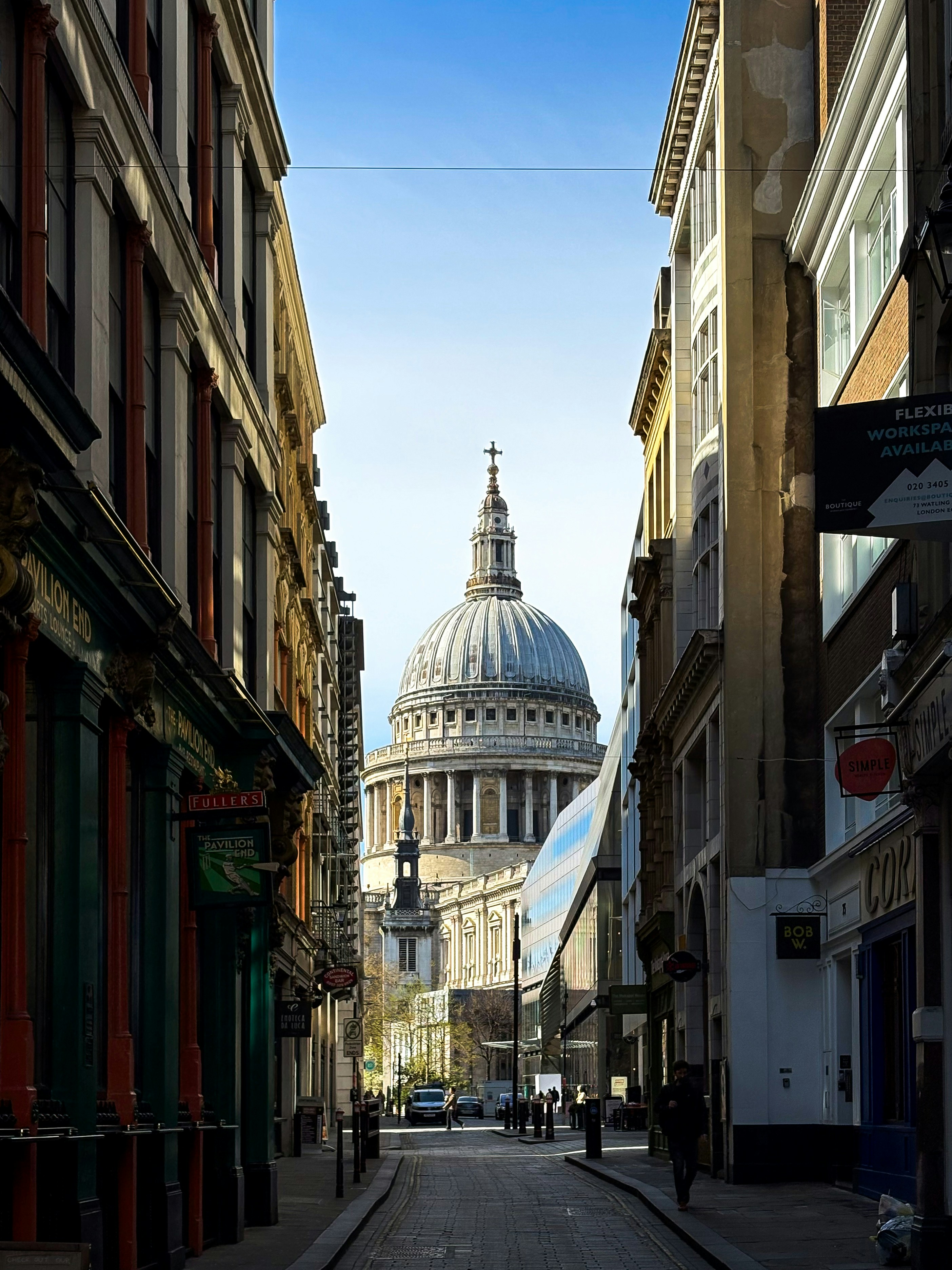
St Paul's Cathedral dome in London
Photo by Nick Fewings

Neighborhood quick picks (with the vibe of each area)

Match the base to your style

  • Covent Garden = central
  • South Kensington = museums
  • Shoreditch = nightlife

Covent Garden and the West End are the best all-round base for first-timers: walkable, central, and lively at night. South Kensington is excellent for museum lovers and slightly calmer streets.

Shoreditch and Spitalfields are creative and food-forward, ideal if you like nightlife and independent shops. Notting Hill is quieter, residential, and ideal for slower mornings.

South Bank works well if you want riverside walks, modern museums, and a balanced pace. It's also one of the most scenic parts of the city.

Tower Bridge spanning the River Thames
Photo by Robert Bye

Signature dishes to try (short list, big payoff)

A few classics go a long way

  • Fish and chips
  • Sunday roast
  • Afternoon tea

If you want a quick London food checklist, focus on fish and chips, a Sunday roast, and a proper afternoon tea. These three experiences cover the traditional side of British dining.

For something more casual, grab street food at markets or try a curry on Brick Lane. London is one of Europe's best cities for global cuisine, so make room for one international meal too.

Don't overbook restaurants. Choose one or two anchor meals and keep the rest flexible so you can eat where you happen to be.

Borough Market entrance sign
Photo by Burak Arslan

Landmarks and viewpoints to prioritize

Choose 2-3 skyline moments

  • The Shard or Sky Garden
  • Tower Bridge and the Tower
  • Primrose Hill

For skyline views, pick one paid and one free option. The Shard offers the highest paid view, while Sky Garden is free with booking and still delivers a great panorama.

Pair Tower Bridge with the Tower of London in the same half-day. They are close enough to walk between and give you both a landmark and a deep historical stop.

If you want a more local viewpoint, head to Primrose Hill or Greenwich Park. Both give you a wide view without ticketing or crowds.

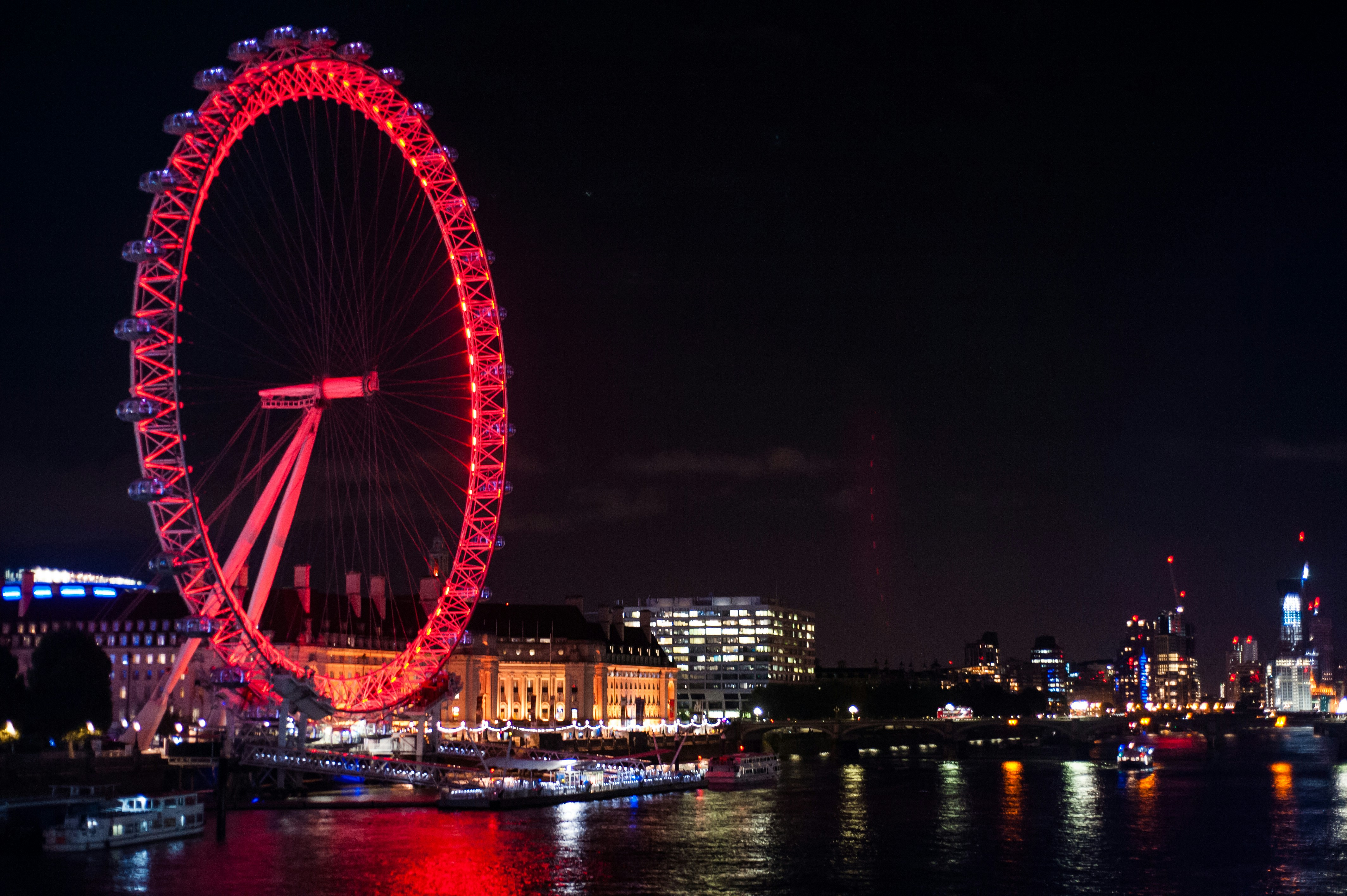
The London Eye at sunset
Photo by Marco Chilese

FAQ

How many days do I need?
3-4 days covers the highlights comfortably.
Is it safe for tourists?
Yes, with standard big-city precautions.
What should I know about how to plan your first 48 hours?
London feels huge on paper, but it becomes manageable when you treat it as a set of compact zones. Plan day one around Westminster, St James's, and the South Bank, then day two around Covent Garden, Soho, and the British Museum area. Keeping each day in two nearby zones saves hours of transit and keeps your energy up.
What should I know about arrival and airport transfers you can trust?
London has multiple airports, so your transfer plan depends on where you land. From Heathrow, the Heathrow Express is the fastest rail option with a journey time of about 15 minutes to Paddington. If you want a lower-cost option, the Elizabeth line and Tube are slower but convenient for central stops.
What should I know about where to stay and how to choose a base?
If this is your first visit, a central base saves time. Covent Garden, Soho, and the West End keep you near major theaters, dining, and easy Tube connections. You can walk to many classic sights and keep evenings spontaneous.
What should I know about getting around the city without wasting time?
London's Tube and buses are the fastest way to cover distance, but walking between adjacent neighborhoods often beats hopping on and off trains. Use the Tube for longer jumps and walk the rest.
What should I know about costs, budgeting, and how to avoid surprise expenses?
London can be expensive, but the cost is manageable when you plan a few intentional splurges. Decide in advance which premium experience matters to you most and keep the rest of the days moderate.
What should I know about food culture and how to eat well without overplanning?
London's food scene is global, but a few classic local experiences are worth planning. Try fish and chips in a traditional pub, a Sunday roast if you are in town on the weekend, and a proper afternoon tea at least once.
What should I know about attractions, viewpoints, and how to prioritize?
London has more iconic sights than you can fit into a short trip, so choose a few high-impact ones. For first-timers, Westminster, the Tower of London, and the British Museum are the most classic anchors.
What should I know about seasonal packing and weather mindset?
London weather changes quickly, and rain can appear even on a sunny day. Always pack a light waterproof layer and shoes you can walk in for hours.
What should I know about common mistakes and how to avoid them?
The biggest mistake is trying to see too much in one day. London is large, and crisscrossing the city wastes time and energy. Group attractions by neighborhood and keep each day tight.
What should I know about neighborhood day loops for a smoother trip?
A good London day loop might start at Westminster, continue through St James's, and finish in Covent Garden or Soho for dinner. This keeps walking distances short and avoids unnecessary Tube rides.
What should I know about evenings, nightlife, and how to pace them?
London nights can run late, especially in Soho and the West End. If you want a show, book in advance and plan dinner nearby. It saves time and keeps the evening smooth.
What should I know about practical checklist before you go?
Set up contactless payment or an Oyster card before you arrive. It saves time at stations and automatically applies fare caps.
What should I know about neighborhood quick picks (with the vibe of each area)?
Covent Garden and the West End are the best all-round base for first-timers: walkable, central, and lively at night. South Kensington is excellent for museum lovers and slightly calmer streets.
What should I know about signature dishes to try (short list, big payoff)?
If you want a quick London food checklist, focus on fish and chips, a Sunday roast, and a proper afternoon tea. These three experiences cover the traditional side of British dining.
What should I know about landmarks and viewpoints to prioritize?
For skyline views, pick one paid and one free option. The Shard offers the highest paid view, while Sky Garden is free with booking and still delivers a great panorama.

Related cities