Attractions guide - China (SAR) - Asia

Attractions in Hong Kong

Hong Kong works best when you build it as one harbor route, one steep-district layer, and one dinner evening instead of flattening it into only skylines, queues, and shopping shorthand. The city becomes much better when Central, Sheung Wan, Tsim Sha Tsui, and Sham Shui Po are treated as different moods with different food logic rather than as one compressed to-do list.

Best time: October to December for the most comfortable humidity and easiest walking conditions.

Top highlights

Victoria Peak, Tsim Sha Tsui, and Star Ferry

Best supporting areas

Central, Tsim Sha Tsui, and Sheung Wan

Main rule

One major attraction per day is usually enough.

Key takeaways

Top attractions worth prioritizing in Hong Kong

These are the named places that usually deserve real time on a first trip.

  • Pick one major anchor per half-day
  • Pair each sight with the right nearby district
  • Do not turn the list into a race

In Hong Kong, the highest-payoff sights usually start with Victoria Peak, Tsim Sha Tsui, and Star Ferry.

The strongest plan is to turn each named place into a district anchor, not to stack icons back to back.

Victoria Harbour

Central / Tsim Sha Tsui

The clearest first anchor because Hong Kong is fundamentally a harbor city before it is a checklist of towers.

Peak Tram and Victoria Peak

Hong Kong Island

Best used as part of a true island-side route rather than as a disconnected photo obligation.

M+

West Kowloon

A stronger cultural anchor than scattering museums across multiple sides of the harbor.
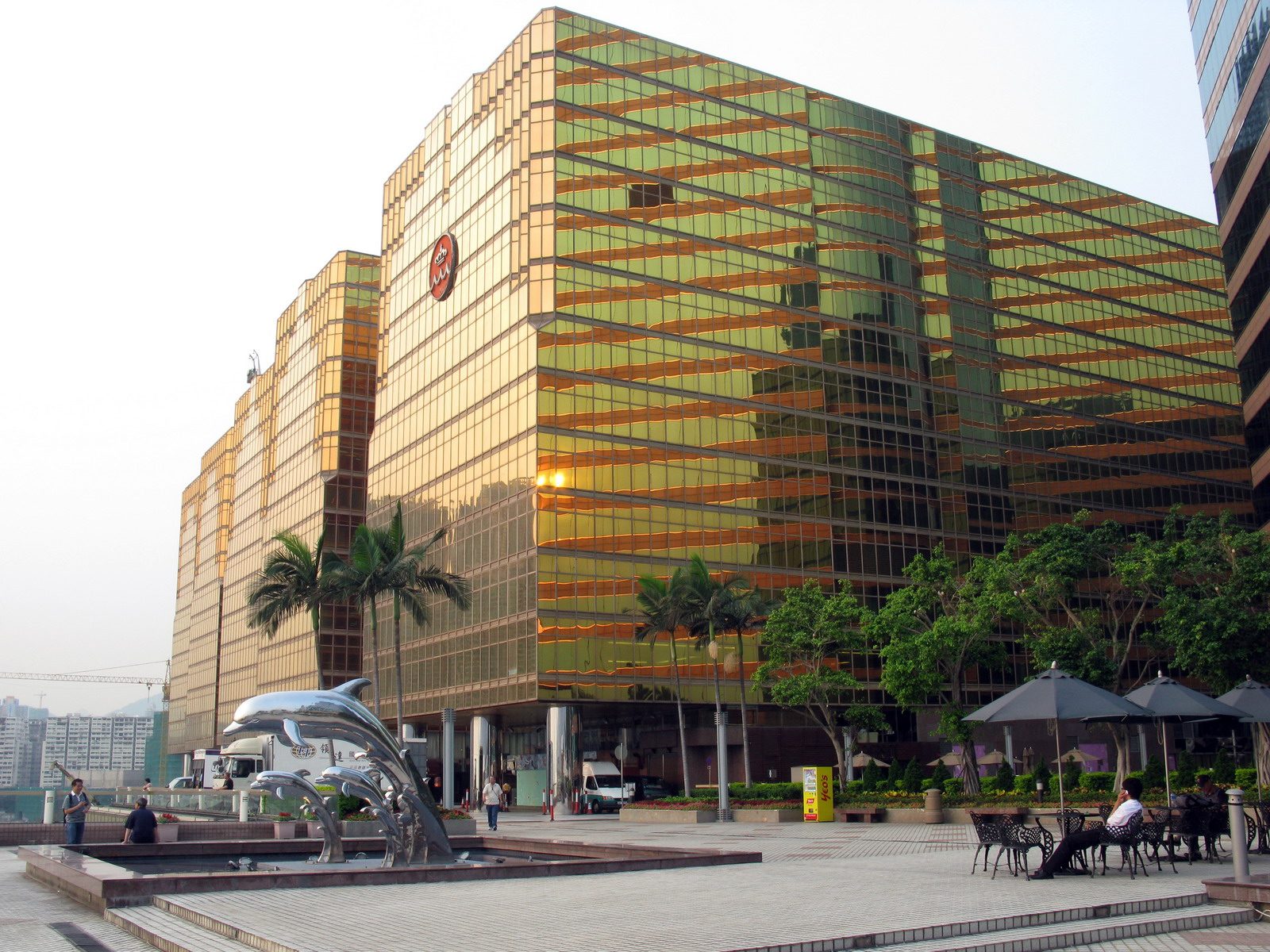
Major attraction in Hong Kong
Photo by Wikimedia Commons contributor

How to organize major sights in Hong Kong

The route matters as much as the ticket.

  • Keep the day geographically clean
  • Use timed entries carefully
  • Leave breathing room after the big sight

The biggest attractions in Hong Kong usually begin with Victoria Peak, Tsim Sha Tsui, and Star Ferry. The smartest move is to use each one as a district anchor rather than bouncing between headline sights all day.

A better attraction day mixes one major icon with walking, cafes, markets, or neighborhood texture nearby.

The city feels richer when attractions sit inside a route instead of replacing the route.

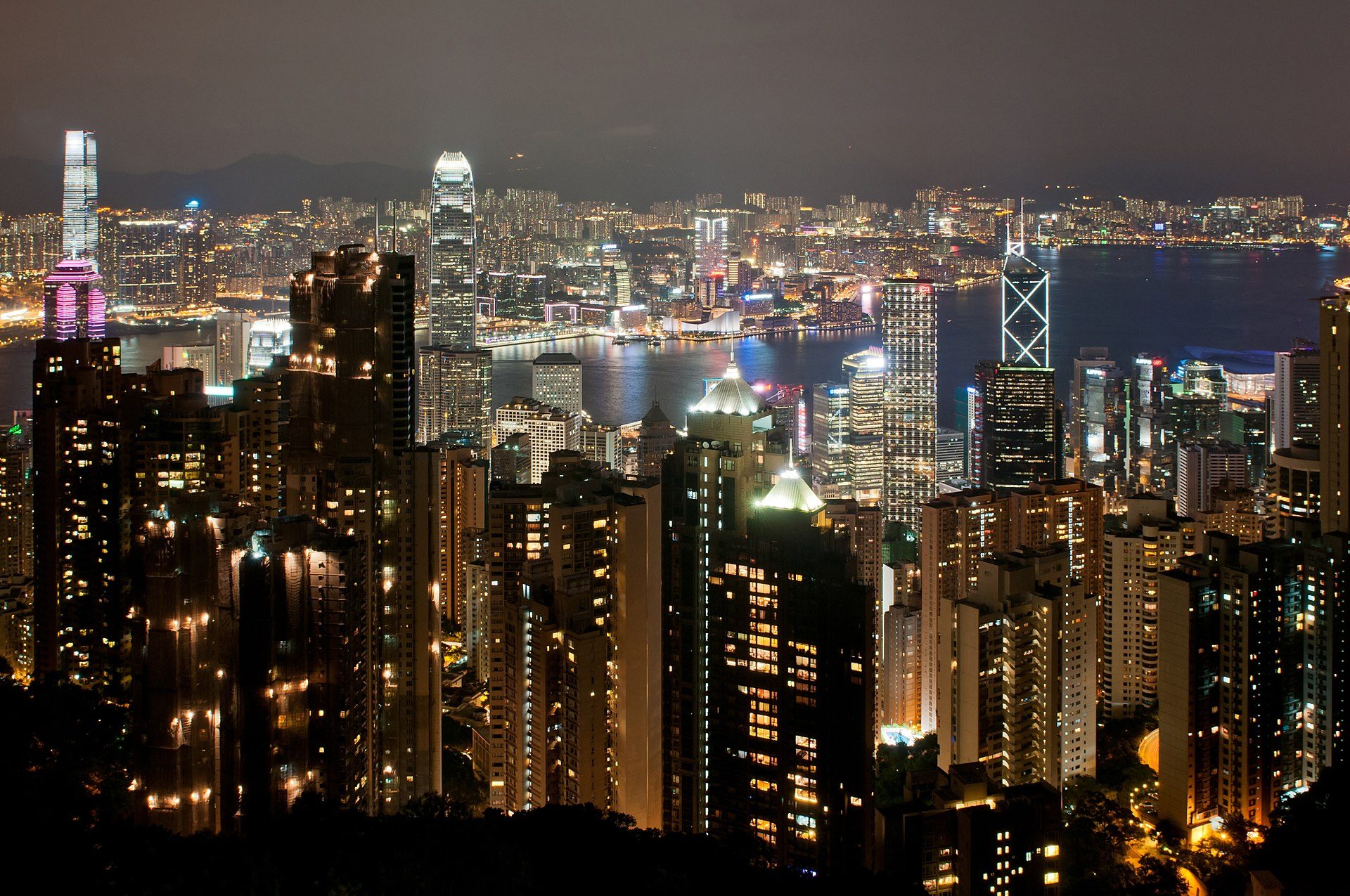
Skyline in Hong Kong
Photo by Wikimedia Commons contributor

Best neighborhoods to pair with attractions in Hong Kong

A strong attraction plan usually ends in a good district.

  • Use nearby neighborhoods to fill the day
  • End near food or evening life
  • Let the district absorb the attraction

Neighborhoods such as Central, Tsim Sha Tsui, and Sheung Wan help turn headline sights into a fuller city day.

Once the main attraction is done, switch into nearby streets, food stops, or quieter corners instead of forcing the next major icon immediately.

That transition is often what makes the city memorable rather than just efficient.

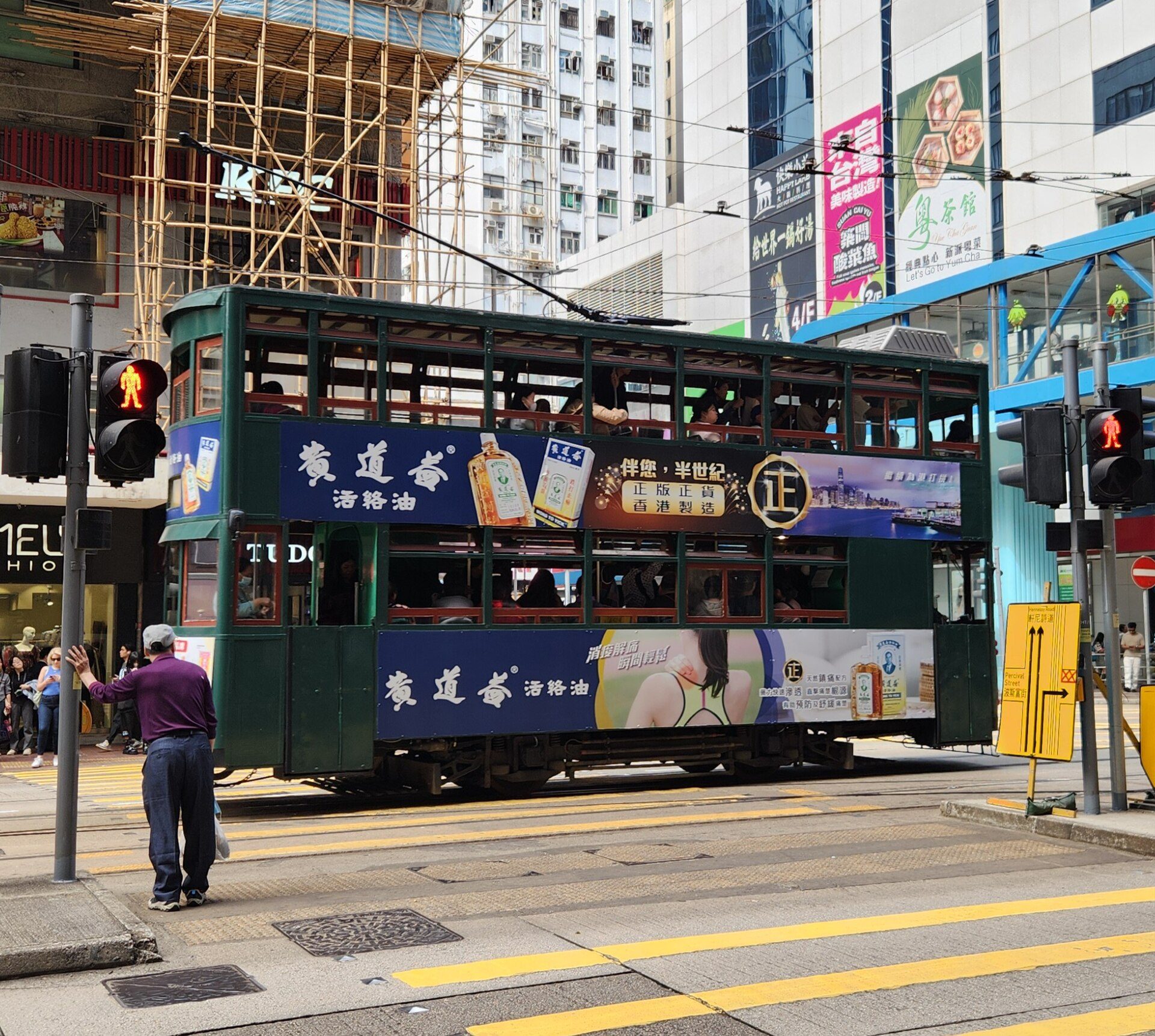
Transit scene in Hong Kong
Photo by Wikimedia Commons contributor

Which attractions deserve protected time in Hong Kong

The right sights are the ones that create stronger route days, not the longest checklist.

  • Put one major anchor at the center of the half-day
  • Pair it with the district that makes it feel complete
  • Let secondary stops stay secondary

In Hong Kong, the strongest attraction logic usually starts with Victoria Harbour, Peak Tram and Victoria Peak, and M+, but the real gain comes from what you pair around them.

A famous sight gets much better when the surrounding walk through Central, Tsim Sha Tsui, and Sheung Wan supports it instead of competing with it.

The high-payoff approach is to decide what deserves your freshest energy and let everything else behave like a supporting layer.

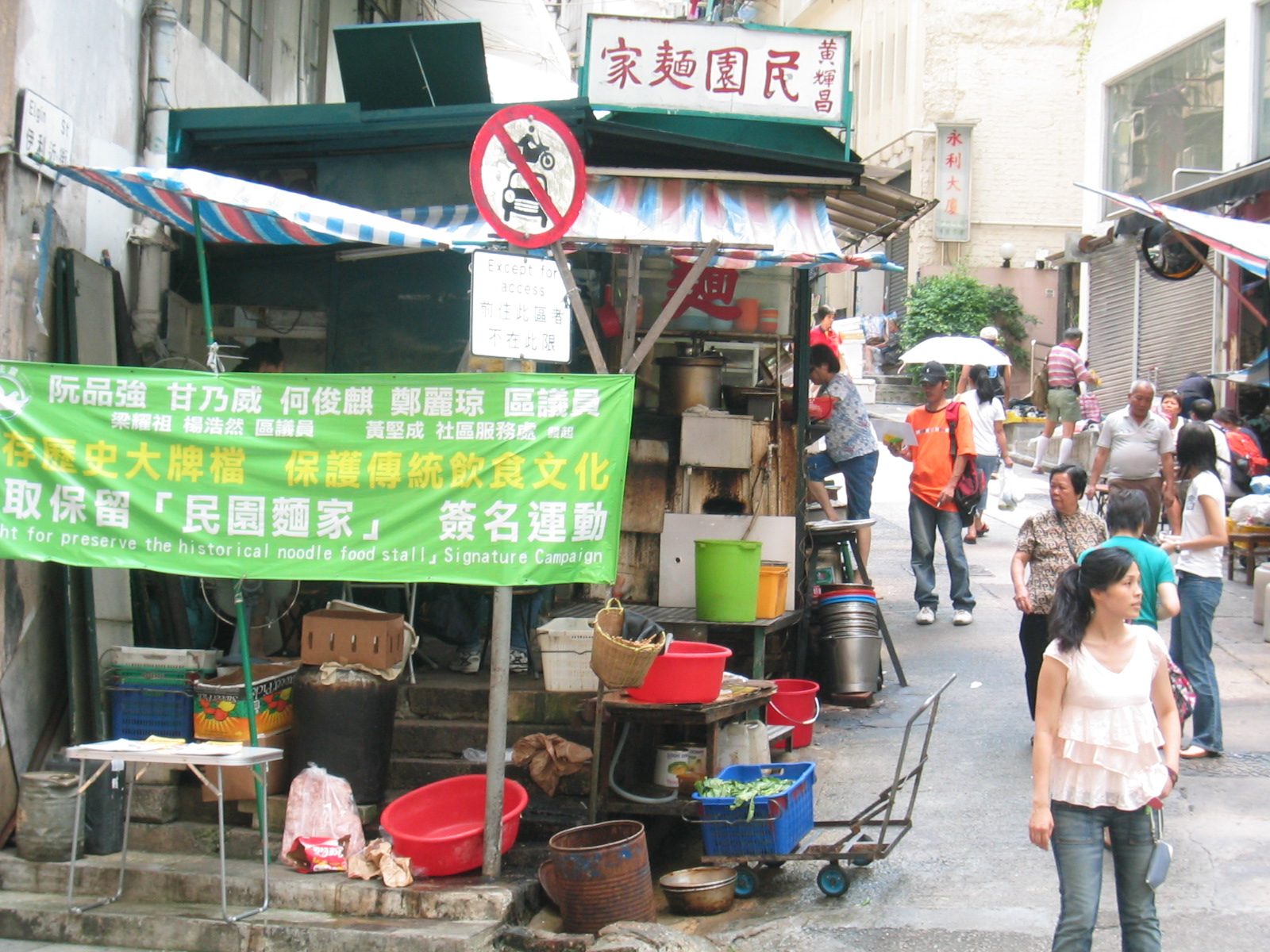
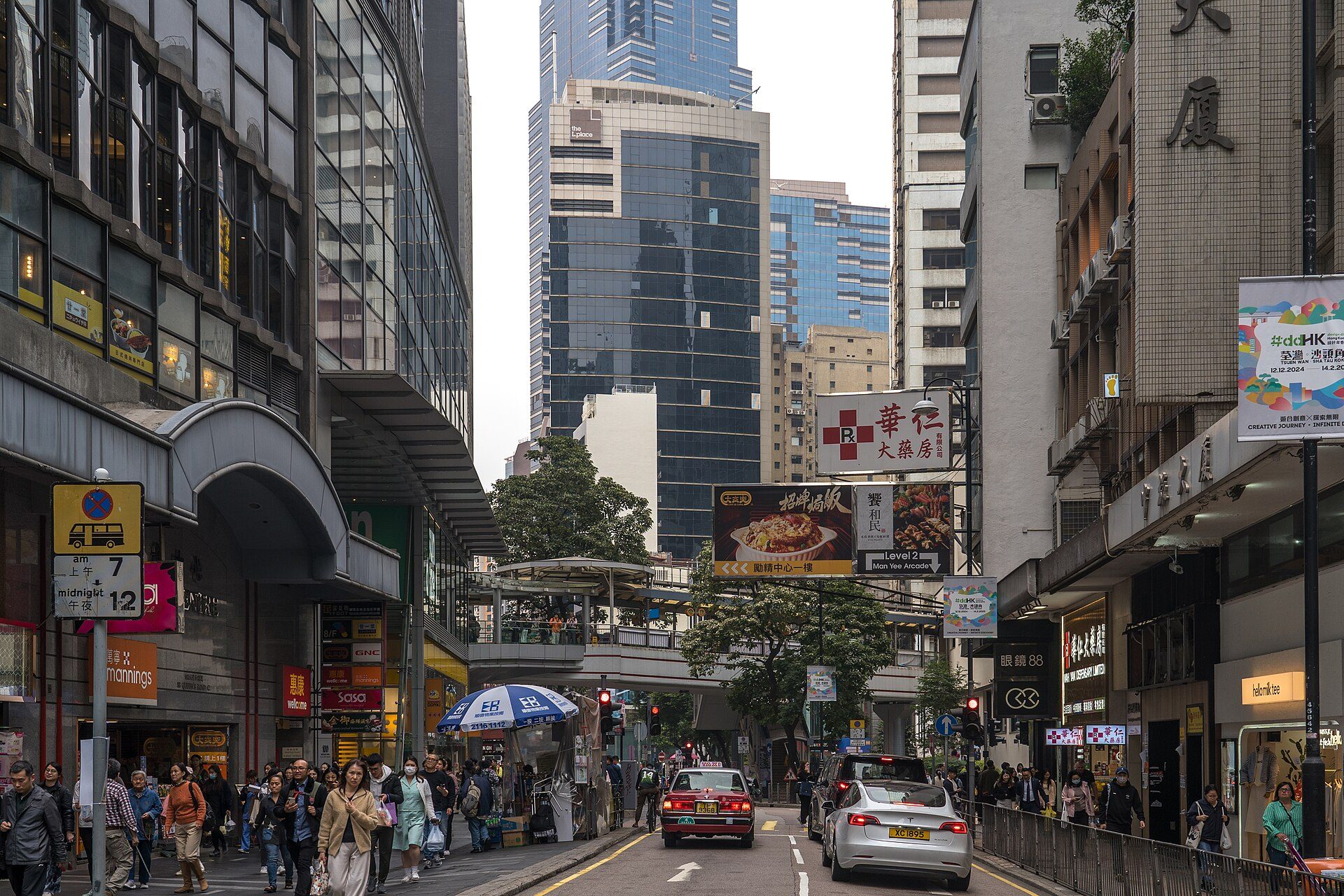
Central Hong Kong street scene
Photo by Wikimedia Commons contributor

How to stop attractions in Hong Kong from eating the whole day

Queue-heavy sights need a route, not just a ticket.

  • Use early slots for the most demanding sight
  • Place the district walk after the anchor
  • Do not overstack a second heavy attraction too close

The usual failure mode is not choosing the wrong attraction but giving two or three heavy attractions the same part of the day.

A cleaner order is anchor first, district second, meal third. That makes the city feel richer and the logistics less brittle.

If a sight forces awkward timing and kills the rest of the route, it may still be famous, but it is not automatically the right choice for this trip.

Restaurant or cafe scene in Hong Kong
Photo by Wikimedia Commons contributor

FAQ

What are the top attractions in Hong Kong?
Most first-time visitors start with Victoria Peak, Tsim Sha Tsui, and Star Ferry, then shape the rest of the day around nearby neighborhoods and smaller stops.
How many major attractions should I do per day in Hong Kong?
Usually one major attraction per day is enough if you want the trip to stay enjoyable rather than turning into a queue-to-queue schedule.