Vietnam - Other

Ho Chi Minh City Travel Guide

Ho Chi Minh City works best when you respect heat and scooter-city pacing. One District 1 history-and-cafe day, one food-heavy evening, and one Cholon or outer-neighborhood layer feels much better than trying to clear the city through nonstop crossings and traffic-heavy hops.

Best time: December to March for the easiest walking weather and less oppressive humidity.
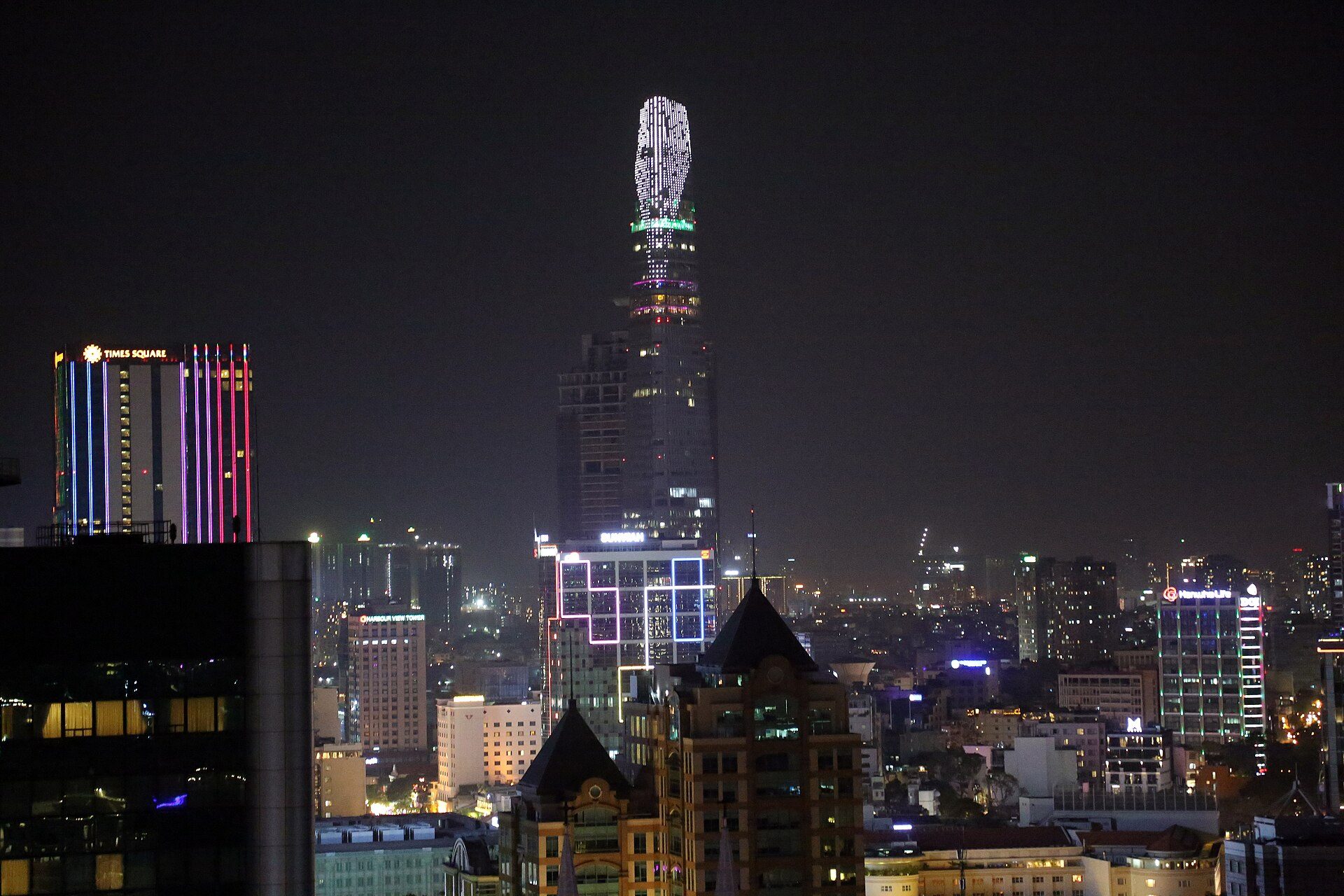
Skyline in Ho Chi Minh City
Photo by flowcomm

Before you go

The best arrival is the one that gets you into District 1, District 3, or another practical core base without a messy final leg. In this city, hotel position matters because every ride has friction.

Book one or two destination meals if they truly matter and leave pho, banh mi, coffee, bars, and market detours flexible. Ho Chi Minh City is much better when appetite and heat shape the day rather than a rigid masterplan.

Cost overview

Budget: VND 1400000-2500000

Mid-range: VND 3400000-6200000

Luxury: VND 11000000+

Meals: VND 40000-90000 for pho, banh mi, or simple plates, VND 90000-220000 for a stronger casual meal, and VND 400000+ once rooftop dining and cocktails enter the plan

Transport: Short ride-hailing hops shape the day more than formal transit passes in most first-trip itineraries

Lodging: VND 2200000-4500000 mid-range, with District 1 and polished rooftops widening the budget fastest

The city can be excellent value, but premium central hotels and night-heavy spending change the budget quickly.

Transport

Airport: From Tan Son Nhat, the real question is not whether you can get a car or taxi. It is how much traffic the arrival window will add to the first day. For most stays, ride-hailing or a taxi is still the cleanest answer, especially with luggage.

Local: Use walking inside one central pocket, then switch to ride-hailing for awkward heat, traffic, or district jumps. In Ho Chi Minh City, transport is mostly about protecting time and energy rather than chasing the theoretically cheapest move.

Car rental: Do not rent a car for Ho Chi Minh City itself.

Keep District 1 together, let Cholon be its own project, and do not force every museum, market, and food stop into the same route. The city works when you respect pace and traffic.

Where to stay

  • District 1
  • District 3
  • Thao Dien

District 1 or District 3 usually works best for a first trip because it keeps the city's strongest route logic easy and flexible.

Money and connectivity

Payments: Cards work in stronger venues, but cash still matters in many everyday food situations. Budget drift usually comes from ride-hailing and repeated small food and drink stops rather than from major attractions.

Connectivity: A stable connection matters because ride-hailing, rain, and reservation changes constantly reshape the route. Save one airport route and one late-night hotel route before day one.

Tipping: Tipping is modest and situational; small rounding or a light extra for clearly good sit-down service is enough.

Best areas to stay

Central

Walkable and convenient

Best for: First-timers

Close to top sights and transit.

Historic core

Atmospheric streets

Best for: Short stays

Great for walking tours.

Riverside

Scenic and relaxed

Best for: Evening walks

Good for sunset views.

District 1

Useful district to organize the route around

Best for: First-time planning

Use District 1 as a route anchor instead of treating it as only a stop between attractions.

Neighborhood comparison

Central Best for first-time visitors
Historic core Atmospheric and walkable
Riverside Scenic and relaxed

7-day itinerary

Day 1

  • Old town walk
  • Market lunch
  • Sunset viewpoint

Day 2

  • Signature landmark
  • Museum
  • Neighborhood dinner

Day 3

  • Park or waterfront
  • Local streets
  • Evening stroll

Day 4

  • Second landmark
  • Shopping streets
  • Casual dinner

Day 5

  • Day trip or scenic district
  • Cafe break
  • Local food

Day 6

  • Art or culture
  • Market snacks
  • Neighborhood bars

Day 7

  • Favorites repeat
  • Souvenirs
  • Departure prep

Full travel guide

How to plan your first 48 hours

Start with two compact zones

  • Anchor each day around one hub
  • One ticketed highlight per day
  • Keep evenings flexible

A stronger first route in Ho Chi Minh City usually means one named anchor like District 1 core plus a nearby district block in District 1, District 3, and Thao Dien, instead of trying to collect every highlight in one day.

Use the first half-day to get the city's logic into your legs: one transport decision, one food stop, and one evening district matter more than adding a fourth attraction.

If the trip is short, protect one evening for District 1 dinner evening and let the rest of the route stay compact.

Evenings in Ho Chi Minh City are often the most memorable part of the trip. Keep them flexible so you can follow the vibe, whether that is a riverside walk, a casual dinner, or a local market.
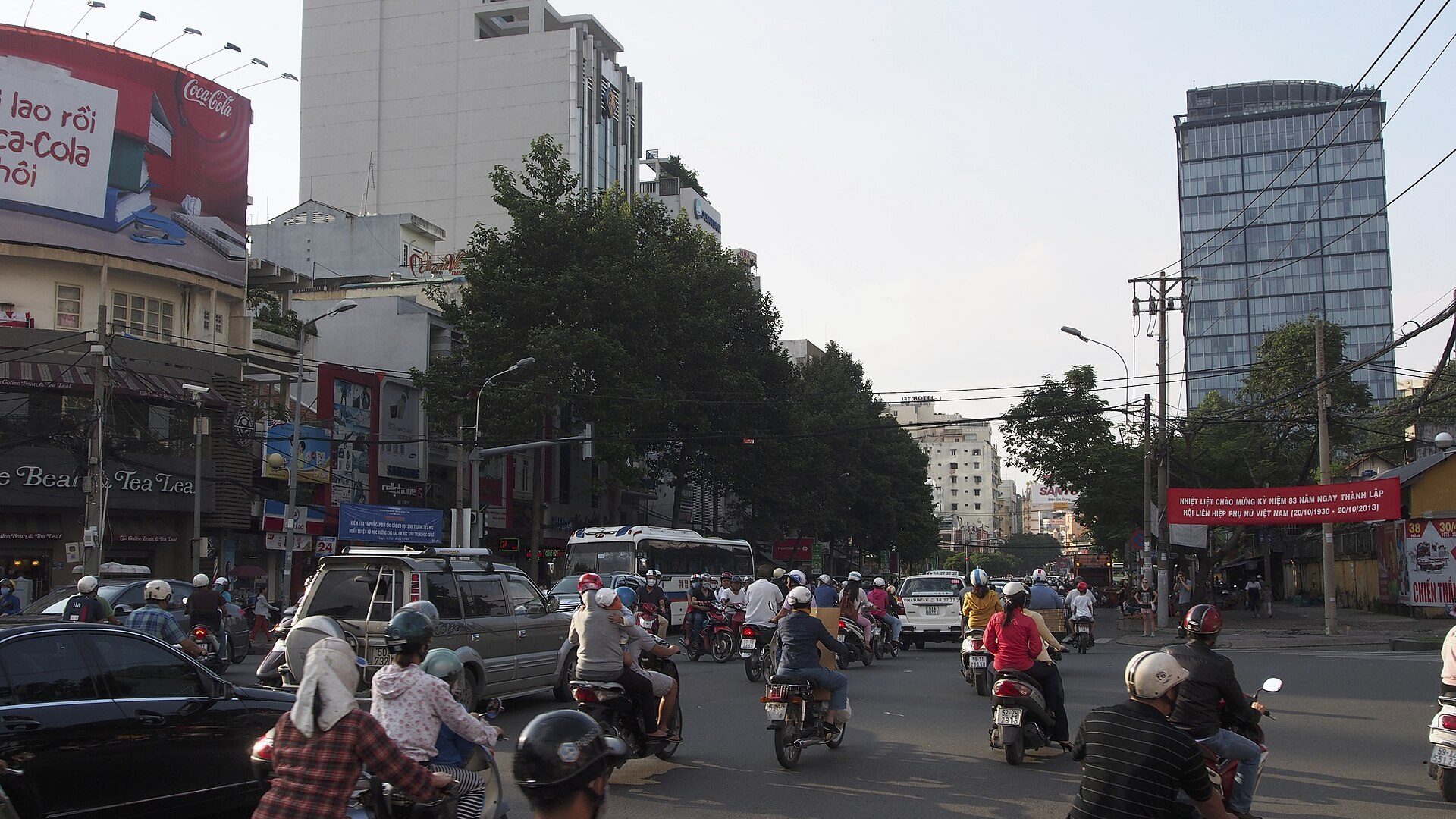
Street scene in Ho Chi Minh City
Photo by Clay Gilliland

Arrival and airport transfers you can trust

Know the fastest rail options

  • Anchor each day around one hub
  • One ticketed highlight per day
  • Keep evenings flexible

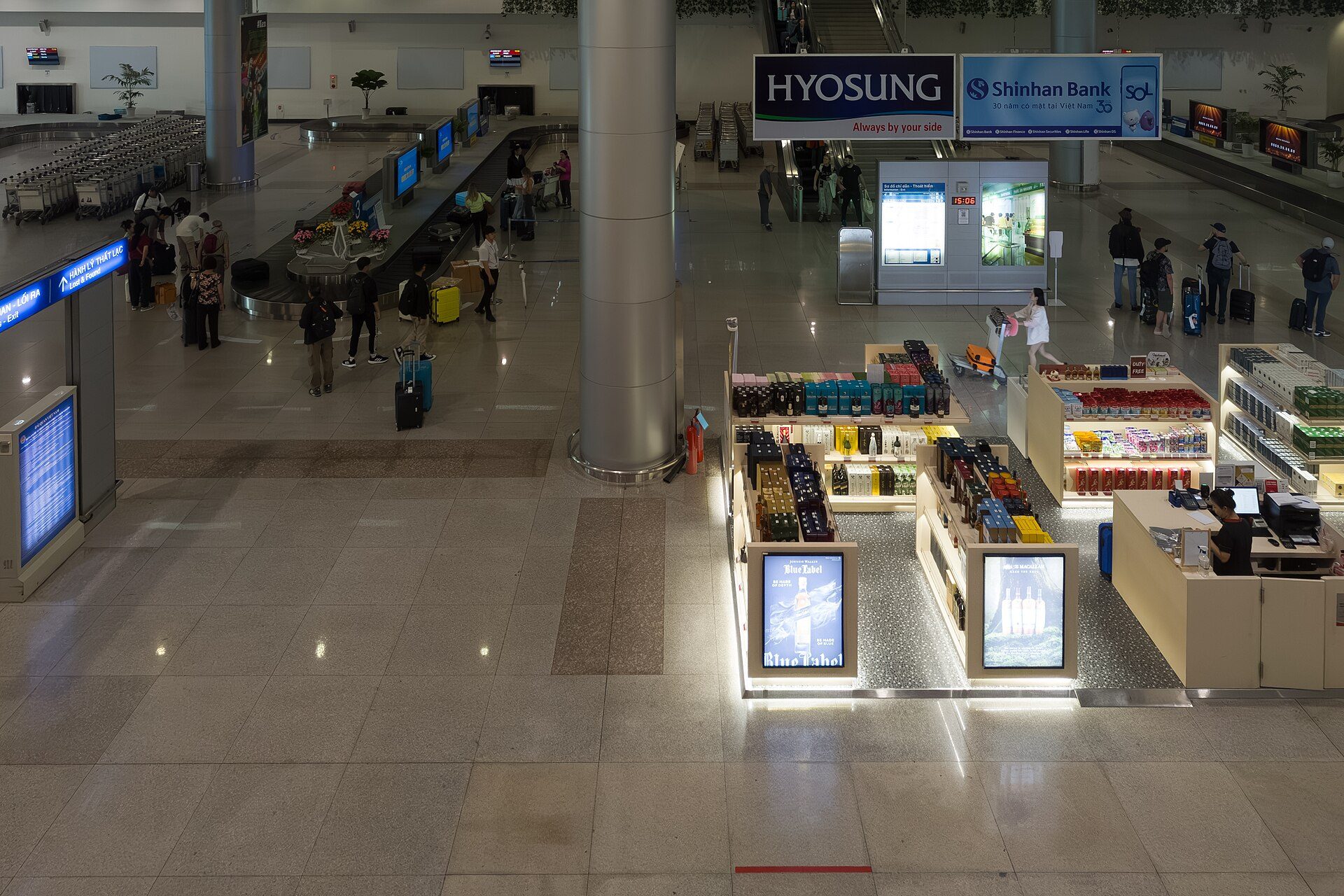
On the ground, the first transfer is only good if it stays realistic all the way to the hotel: From Tan Son Nhat, the real question is not whether you can get a car or taxi. It is how much traffic the arrival window will add to the first day. For most stays, ride-hailing or a taxi is still the cleanest answer, especially with luggage.

Do not judge the city by the cheapest airport route on paper. Judge it by whether you still have energy left for dinner, a short walk, or one useful first stop after check-in.

The best first-night move is usually airport to hotel, one compact district, and one named stop such as The Workshop nearby.

Evenings in Ho Chi Minh City are often the most memorable part of the trip. Keep them flexible so you can follow the vibe, whether that is a riverside walk, a casual dinner, or a local market.
Airport arrival in Ho Chi Minh City
Photo by Matti Blume

Where to stay and how to choose a base

Pick a neighborhood that matches your pace

  • Anchor each day around one hub
  • One ticketed highlight per day
  • Keep evenings flexible

For most first trips, the best base is the one that keeps both transport and dinner easy, especially if you expect to end nights around District 1, District 3, and Thao Dien.

Choose a district that solves how you return after dark, not only how you start the morning. A slightly less 'famous' base is often better if it cuts one awkward transfer every night.

If you already know you want places like The Workshop, let that evening geography influence where you sleep.

Evenings in Ho Chi Minh City are often the most memorable part of the trip. Keep them flexible so you can follow the vibe, whether that is a riverside walk, a casual dinner, or a local market.
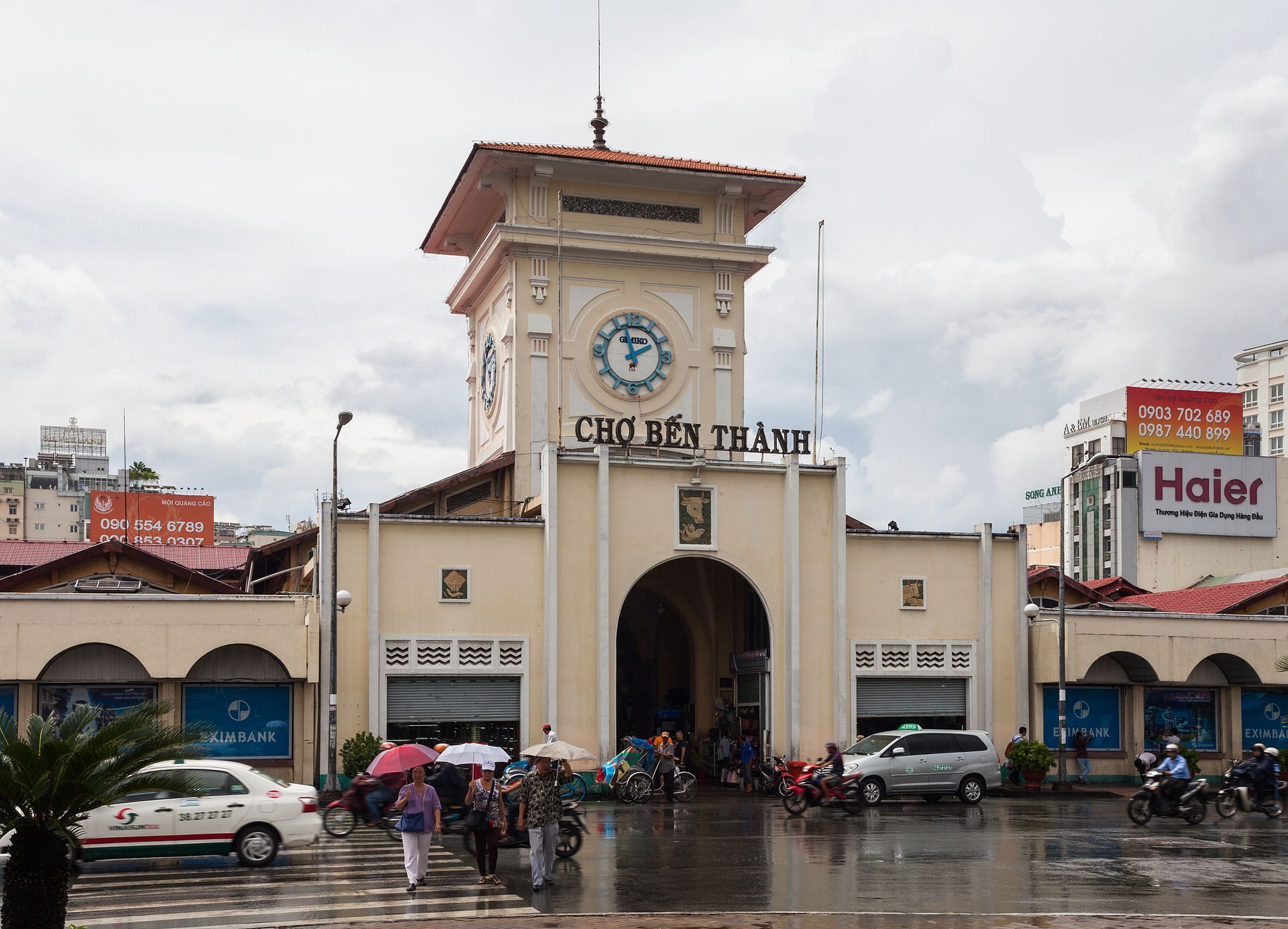
Ben Thanh Market in Ho Chi Minh City
Photo by Diego Delso

Getting around the city without wasting time

Use transit to avoid zig-zags

  • Anchor each day around one hub
  • One ticketed highlight per day
  • Keep evenings flexible

The practical transport rule is simple: Use walking inside one central pocket, then switch to ride-hailing for awkward heat, traffic, or district jumps. In Ho Chi Minh City, transport is mostly about protecting time and energy rather than chasing the theoretically cheapest move.

If the day already touches the right corridor, do not overcomplicate it with extra transfers. One clean move is usually worth more than three technically possible ones.

Build the day so that transport supports the route instead of becoming the route. That matters much more than tiny fare savings.

Evenings in Ho Chi Minh City are often the most memorable part of the trip. Keep them flexible so you can follow the vibe, whether that is a riverside walk, a casual dinner, or a local market.
Street food or market scene in Ho Chi Minh City
Photo by choi kwangmo

Costs, budgeting, and how to avoid surprise expenses

Set a daily rhythm and stick to it

  • Anchor each day around one hub
  • One ticketed highlight per day
  • Keep evenings flexible

A realistic day in Ho Chi Minh City usually means VND 1400000-2500000 on a budget or VND 3400000-6200000 mid-range.

The practical budget pressure usually comes from three places: lodging around VND 2200000-4500000 mid-range, with District 1 and polished rooftops widening the budget fastest, meals around VND 40000-90000 for pho, banh mi, or simple plates, VND 90000-220000 for a stronger casual meal, and VND 400000+ once rooftop dining and cocktails enter the plan, and whether you keep stacking paid stops into the same day.

Transport is rarely the biggest problem if you already know the rough logic: Short ride-hailing hops shape the day more than formal transit passes in most first-trip itineraries.

Evenings in Ho Chi Minh City are often the most memorable part of the trip. Keep them flexible so you can follow the vibe, whether that is a riverside walk, a casual dinner, or a local market.

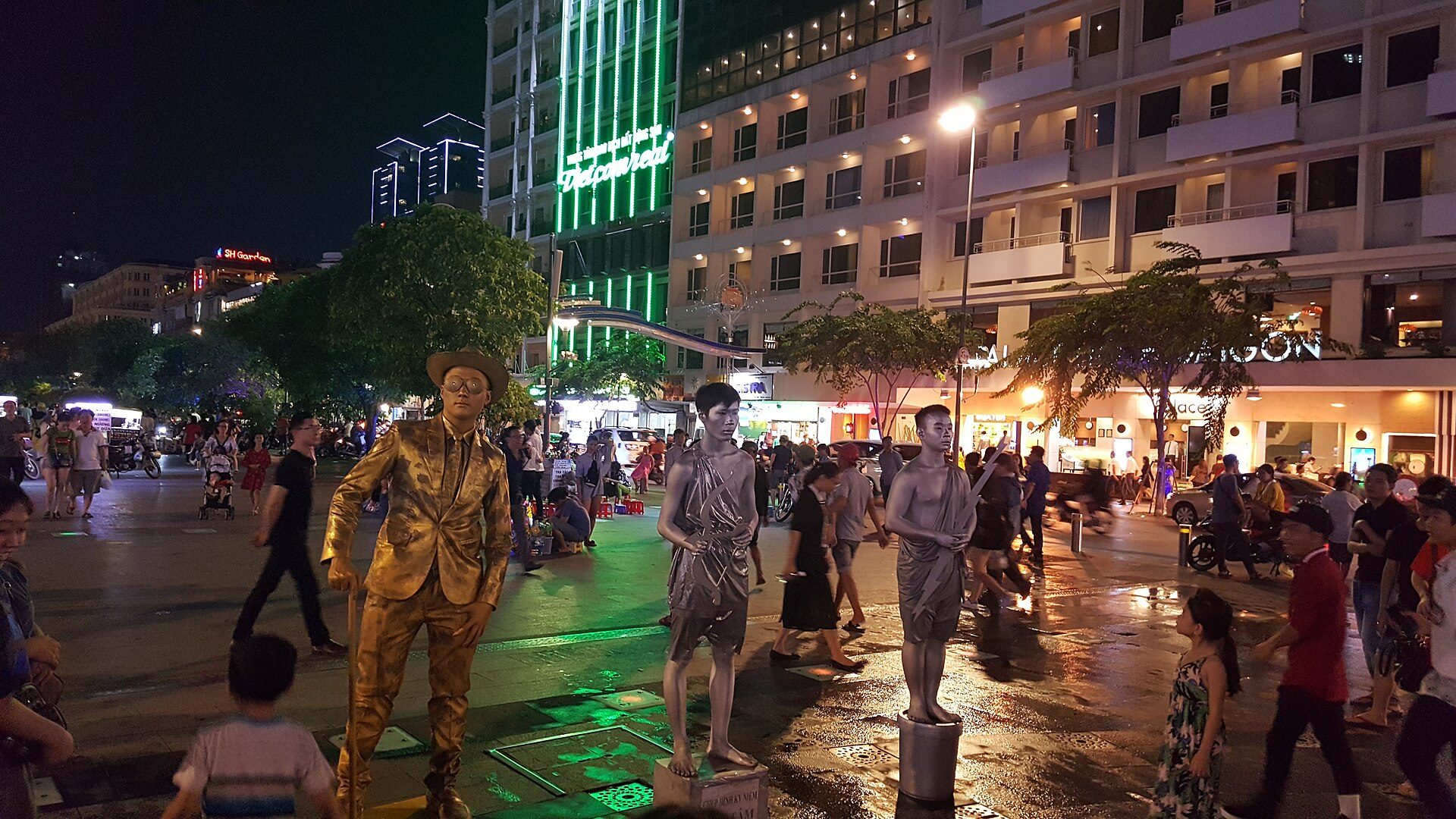
Night scene in Ho Chi Minh City
Photo by Alexkom000

Food culture and how to eat well without overplanning

Balance local classics with markets

  • Anchor each day around one hub
  • One ticketed highlight per day
  • Keep evenings flexible

A stronger first route in Ho Chi Minh City usually means one named anchor like District 1 core plus a nearby district block in District 1, District 3, and Thao Dien, instead of trying to collect every highlight in one day.

Use the first half-day to get the city's logic into your legs: one transport decision, one food stop, and one evening district matter more than adding a fourth attraction.

If the trip is short, protect one evening for District 1 dinner evening and let the rest of the route stay compact.

Evenings in Ho Chi Minh City are often the most memorable part of the trip. Keep them flexible so you can follow the vibe, whether that is a riverside walk, a casual dinner, or a local market.

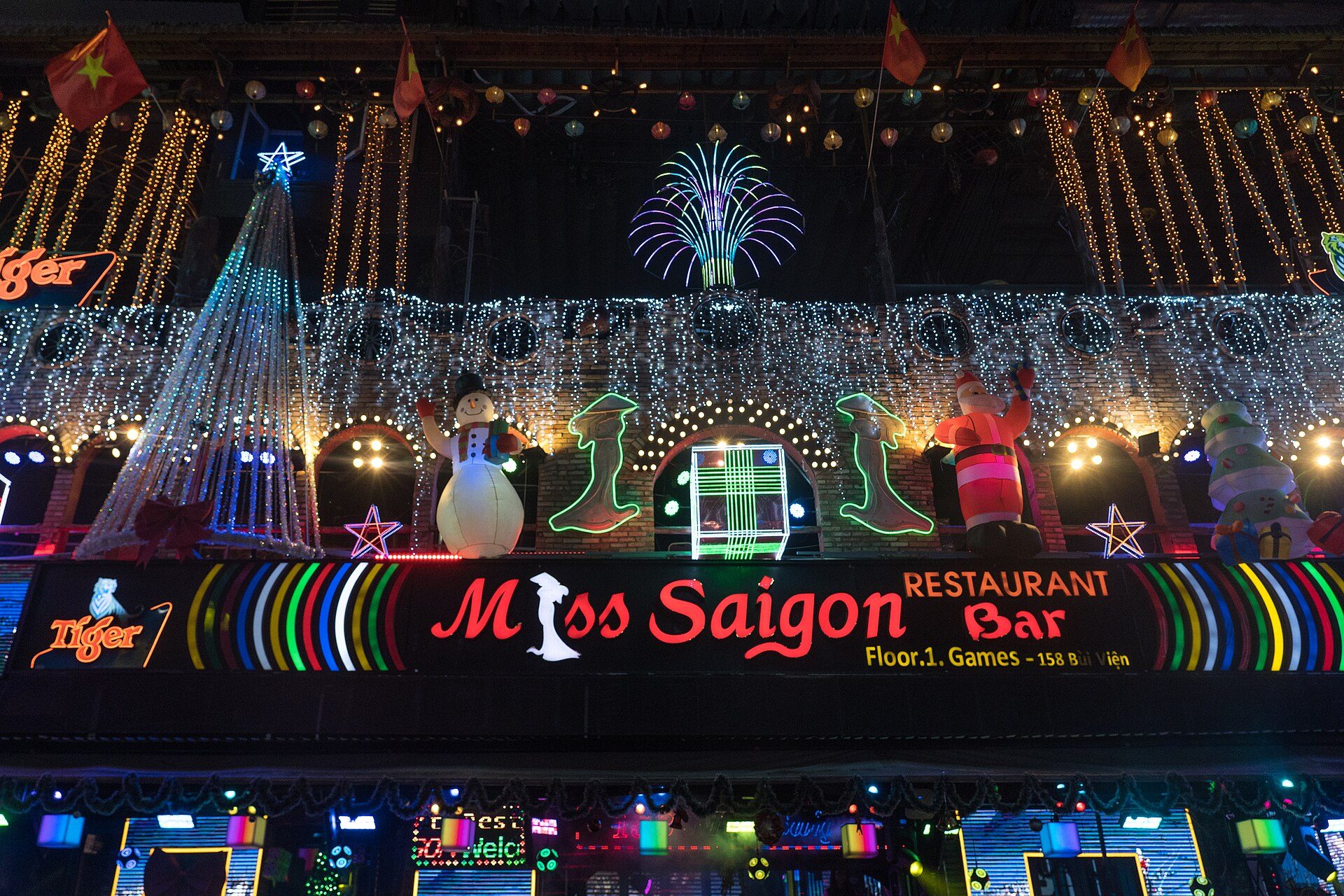
Shopping street in Ho Chi Minh City
Photo by RG72

Attractions, viewpoints, and how to prioritize

Iconic highlights first

  • Anchor each day around one hub
  • One ticketed highlight per day
  • Keep evenings flexible

Use headline places such as District 1 core as route anchors, then let the surrounding streets and districts carry the rest of the half-day.

The city becomes flatter when every named sight is treated like a separate mission. It becomes richer when one attraction leads naturally into nearby lanes, food stops, and a neighborhood loop.

One serious landmark and one strong district usually create a better memory than three rushed icons.

Evenings in Ho Chi Minh City are often the most memorable part of the trip. Keep them flexible so you can follow the vibe, whether that is a riverside walk, a casual dinner, or a local market.

Seasonal packing and weather mindset

Pack for quick changes

  • Anchor each day around one hub
  • One ticketed highlight per day
  • Keep evenings flexible

The season changes the trip more through route comfort than through temperature alone: December to March for the easiest walking weather and less oppressive humidity..

Pack and plan for the actual route, not only for the midday forecast. Waterfront walks, late evenings, or transit-heavy days often feel very different from the headline temperature.

The best season is the one that matches the trip you want: more outdoor time, cleaner district walking, or a more indoor cultural rhythm.

Evenings in Ho Chi Minh City are often the most memorable part of the trip. Keep them flexible so you can follow the vibe, whether that is a riverside walk, a casual dinner, or a local market.

Common mistakes and how to avoid them

Slow down to see more

  • Anchor each day around one hub
  • One ticketed highlight per day
  • Keep evenings flexible

Ho Chi Minh City works best when you plan by compact zones and avoid zig-zagging across the map. Anchor each day around one primary neighborhood, then add one or two nearby stops that fit your pace.

Prioritize one ticketed highlight per day in Ho Chi Minh City, then fill the rest with walking, markets, and viewpoints. This keeps the schedule realistic and leaves space for spontaneous detours.

Evenings in Ho Chi Minh City are often the most memorable part of the trip. Keep them flexible so you can follow the vibe, whether that is a riverside walk, a casual dinner, or a local market.

Neighborhood day loops for a smoother trip

Build loops instead of lists

  • Anchor each day around one hub
  • One ticketed highlight per day
  • Keep evenings flexible

The most useful neighborhood choice is the one that already matches the route: District 1, District 3, and Thao Dien should solve where you sleep, eat, and finish the day.

Neighborhoods matter less as labels and more as practical tools. They should tell you where to stay, where to slow down, and where the evening becomes easy.

A good neighborhood loop usually includes one attraction, one meal, and one reason to keep walking after the obvious stop is done.

Evenings in Ho Chi Minh City are often the most memorable part of the trip. Keep them flexible so you can follow the vibe, whether that is a riverside walk, a casual dinner, or a local market.

Evenings, nightlife, and how to pace them

Plan one late night

  • Anchor each day around one hub
  • One ticketed highlight per day
  • Keep evenings flexible

Evenings land better when they stay district-based: one dinner area, one anchor such as District 1 dinner evening, and one easy return route.

Trying to force a bar district, a show, and a faraway late dinner into the same night usually makes the city feel harder than it really is.

Pick the kind of night first, then let the district shape the rest.

Evenings in Ho Chi Minh City are often the most memorable part of the trip. Keep them flexible so you can follow the vibe, whether that is a riverside walk, a casual dinner, or a local market.

Practical checklist before you go

Keep it simple

  • Anchor each day around one hub
  • One ticketed highlight per day
  • Keep evenings flexible

Before locking the trip, check one transit rule, one dinner plan, and one evening anchor such as Saigon Centre or city-market layer so the city feels shaped rather than improvised.

Most first-trip mistakes come from assuming details can be solved in motion. It is usually enough to know the airport logic, the first dinner idea, and the rough district rhythm before you arrive.

Once those basics are set, the rest of the city can stay pleasantly flexible.

Evenings in Ho Chi Minh City are often the most memorable part of the trip. Keep them flexible so you can follow the vibe, whether that is a riverside walk, a casual dinner, or a local market.

Neighborhood quick picks (with the vibe of each area)

Match the base to your style

  • Anchor each day around one hub
  • One ticketed highlight per day
  • Keep evenings flexible

The most useful neighborhood choice is the one that already matches the route: District 1, District 3, and Thao Dien should solve where you sleep, eat, and finish the day.

Neighborhoods matter less as labels and more as practical tools. They should tell you where to stay, where to slow down, and where the evening becomes easy.

A good neighborhood loop usually includes one attraction, one meal, and one reason to keep walking after the obvious stop is done.

Evenings in Ho Chi Minh City are often the most memorable part of the trip. Keep them flexible so you can follow the vibe, whether that is a riverside walk, a casual dinner, or a local market.

Signature dishes to try (short list, big payoff)

A few classics go a long way

  • Anchor each day around one hub
  • One ticketed highlight per day
  • Keep evenings flexible

Food becomes much more useful once it is tied to the route: use named stops like The Workshop and The Workshop only when they already fit the district, instead of rebuilding the whole day around one meal.

A better city day usually means one lighter stop, one stronger meal, and one area where food helps the route breathe rather than slows it down.

If you want the city to feel specific, use one local signature dish or one named market meal instead of defaulting to generic tourist-center dining.

Evenings in Ho Chi Minh City are often the most memorable part of the trip. Keep them flexible so you can follow the vibe, whether that is a riverside walk, a casual dinner, or a local market.

Landmarks and viewpoints to prioritize

Choose 2-3 skyline moments

  • Anchor each day around one hub
  • One ticketed highlight per day
  • Keep evenings flexible

Use headline places such as District 1 core as route anchors, then let the surrounding streets and districts carry the rest of the half-day.

The city becomes flatter when every named sight is treated like a separate mission. It becomes richer when one attraction leads naturally into nearby lanes, food stops, and a neighborhood loop.

One serious landmark and one strong district usually create a better memory than three rushed icons.

Evenings in Ho Chi Minh City are often the most memorable part of the trip. Keep them flexible so you can follow the vibe, whether that is a riverside walk, a casual dinner, or a local market.

FAQ

How many districts should I combine in one day in Ho Chi Minh City?
Usually one main district and one nearby extension is enough in Ho Chi Minh City. The day improves when you stop crossing the city for every single stop.
Is Ho Chi Minh City better as a short break or a longer base?
Ho Chi Minh City can work for a short break, but it usually becomes more rewarding when you give it enough time for one practical day, one atmosphere day, and one food or neighborhood-focused day.
What should I prioritize first in Ho Chi Minh City?
Start with the best-known highlight in Ho Chi Minh City, then let nearby neighborhoods, food stops, and evening plans shape the rest of the route.
What makes a first trip to Ho Chi Minh City smoother?
Pick one good base, avoid long backtracking, and build each day around one anchor instead of trying to collect every sight on one route.
What should I know about how to plan your first 48 hours?
Ho Chi Minh City works best when you plan by compact zones and avoid zig-zagging across the map. Anchor each day around one primary neighborhood, then add one or two nearby stops that fit your pace.
What should I know about arrival and airport transfers you can trust?
Ho Chi Minh City works best when you plan by compact zones and avoid zig-zagging across the map. Anchor each day around one primary neighborhood, then add one or two nearby stops that fit your pace.
What should I know about where to stay and how to choose a base?
Ho Chi Minh City works best when you plan by compact zones and avoid zig-zagging across the map. Anchor each day around one primary neighborhood, then add one or two nearby stops that fit your pace.
What should I know about getting around the city without wasting time?
Ho Chi Minh City works best when you plan by compact zones and avoid zig-zagging across the map. Anchor each day around one primary neighborhood, then add one or two nearby stops that fit your pace.
What should I know about costs, budgeting, and how to avoid surprise expenses?
Ho Chi Minh City works best when you plan by compact zones and avoid zig-zagging across the map. Anchor each day around one primary neighborhood, then add one or two nearby stops that fit your pace.
What should I know about food culture and how to eat well without overplanning?
Ho Chi Minh City works best when you plan by compact zones and avoid zig-zagging across the map. Anchor each day around one primary neighborhood, then add one or two nearby stops that fit your pace.
What should I know about attractions, viewpoints, and how to prioritize?
Ho Chi Minh City works best when you plan by compact zones and avoid zig-zagging across the map. Anchor each day around one primary neighborhood, then add one or two nearby stops that fit your pace.
What should I know about seasonal packing and weather mindset?
Ho Chi Minh City works best when you plan by compact zones and avoid zig-zagging across the map. Anchor each day around one primary neighborhood, then add one or two nearby stops that fit your pace.
What should I know about common mistakes and how to avoid them?
Ho Chi Minh City works best when you plan by compact zones and avoid zig-zagging across the map. Anchor each day around one primary neighborhood, then add one or two nearby stops that fit your pace.
What should I know about neighborhood day loops for a smoother trip?
Ho Chi Minh City works best when you plan by compact zones and avoid zig-zagging across the map. Anchor each day around one primary neighborhood, then add one or two nearby stops that fit your pace.
What should I know about evenings, nightlife, and how to pace them?
Ho Chi Minh City works best when you plan by compact zones and avoid zig-zagging across the map. Anchor each day around one primary neighborhood, then add one or two nearby stops that fit your pace.
What should I know about practical checklist before you go?
Ho Chi Minh City works best when you plan by compact zones and avoid zig-zagging across the map. Anchor each day around one primary neighborhood, then add one or two nearby stops that fit your pace.
What should I know about neighborhood quick picks (with the vibe of each area)?
Ho Chi Minh City works best when you plan by compact zones and avoid zig-zagging across the map. Anchor each day around one primary neighborhood, then add one or two nearby stops that fit your pace.
What should I know about signature dishes to try (short list, big payoff)?
Ho Chi Minh City works best when you plan by compact zones and avoid zig-zagging across the map. Anchor each day around one primary neighborhood, then add one or two nearby stops that fit your pace.
What should I know about landmarks and viewpoints to prioritize?
Ho Chi Minh City works best when you plan by compact zones and avoid zig-zagging across the map. Anchor each day around one primary neighborhood, then add one or two nearby stops that fit your pace.