Transport guide - Germany - Other

Transport in Hamburg

Walk Altstadt, Speicherstadt, and HafenCity; use S-Bahn or U-Bahn for longer jumps to Sternschanze, St. Pauli, or outer hotel bases; and use ferries when the route already touches Landungsbruecken or the harbor edge. Ferries are best when they replace a transfer, not when they become a detour.

Best time: May to September for easier harbor walks, longer light, and stronger waterfront atmosphere.
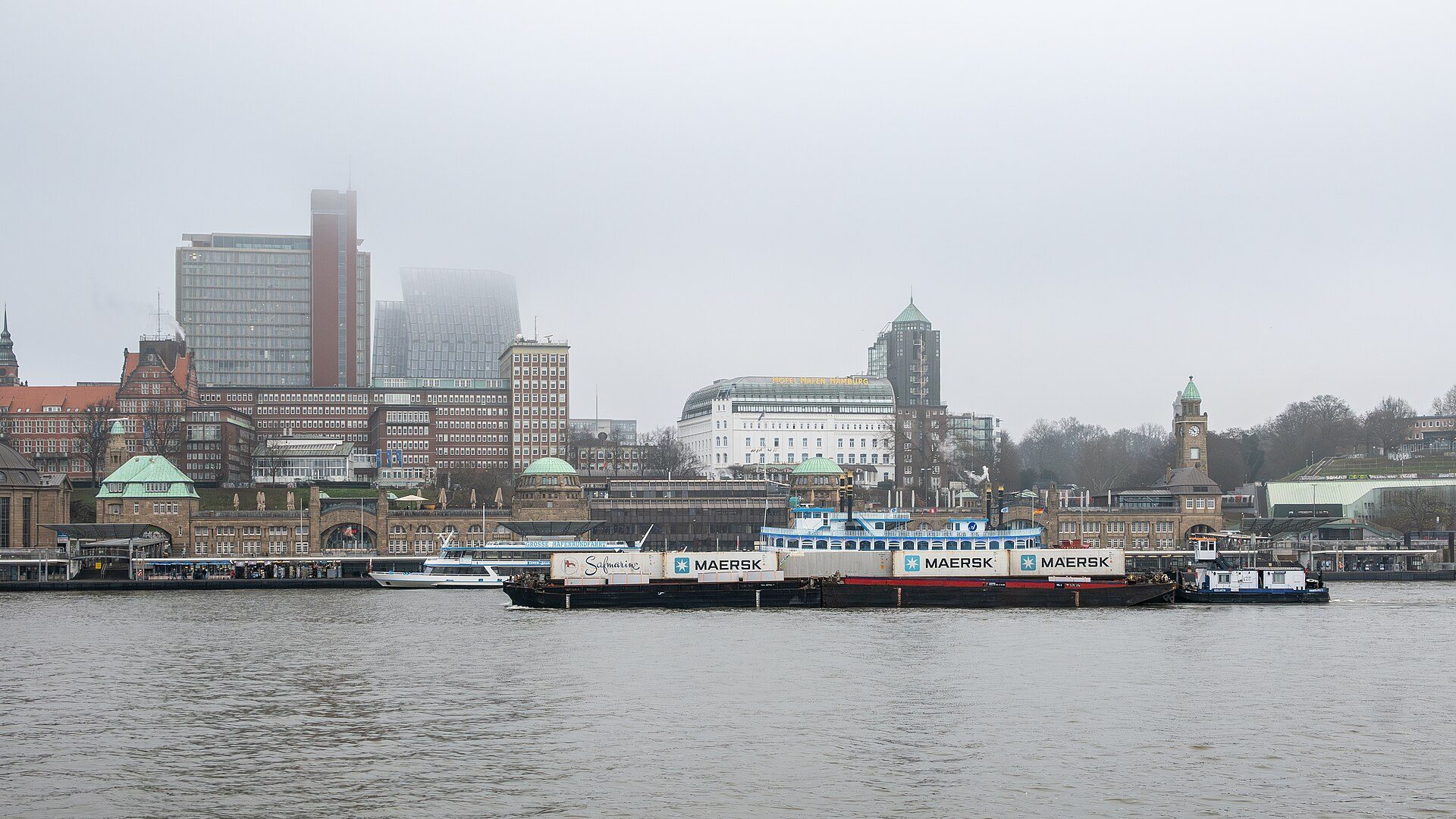
Harbor ferry near Landungsbrucken in Hamburg
Photo by Dietmar Rabich

Airport arrival

For most first stays, take the S1 from Hamburg Airport into the city. It is the cleanest default because you usually stay inside the same hvv fare logic as the rest of the trip. A single AB ticket is about EUR 4.10; a day ticket is about EUR 8.20 if day one includes more movement.

Local transit

Walk Altstadt, Speicherstadt, and HafenCity; use S-Bahn or U-Bahn for longer jumps to Sternschanze, St. Pauli, or outer hotel bases; and use ferries when the route already touches Landungsbruecken or the harbor edge. Ferries are best when they replace a transfer, not when they become a detour.

Main rule

Group each day by area and use the simplest route.

Key takeaways

How transport works in Hamburg

Match the route to the shape of the city, not just the map.

  • Group the day by area
  • Use the simplest transfer
  • Let walking and transit support each other

Walk Altstadt, Speicherstadt, and HafenCity; use S-Bahn or U-Bahn for longer jumps to Sternschanze, St. Pauli, or outer hotel bases; and use ferries when the route already touches Landungsbruecken or the harbor edge. Ferries are best when they replace a transfer, not when they become a detour.

Hamburg works best through one compact district route with walking and short transit hops, not broad all-day movement. A direct transfer into the center or another route-matching base is the cleanest first move because Hamburg weakens when the hotel sits away from the useful core.

Most transport problems come from forcing too many district changes into one day rather than from the system itself.
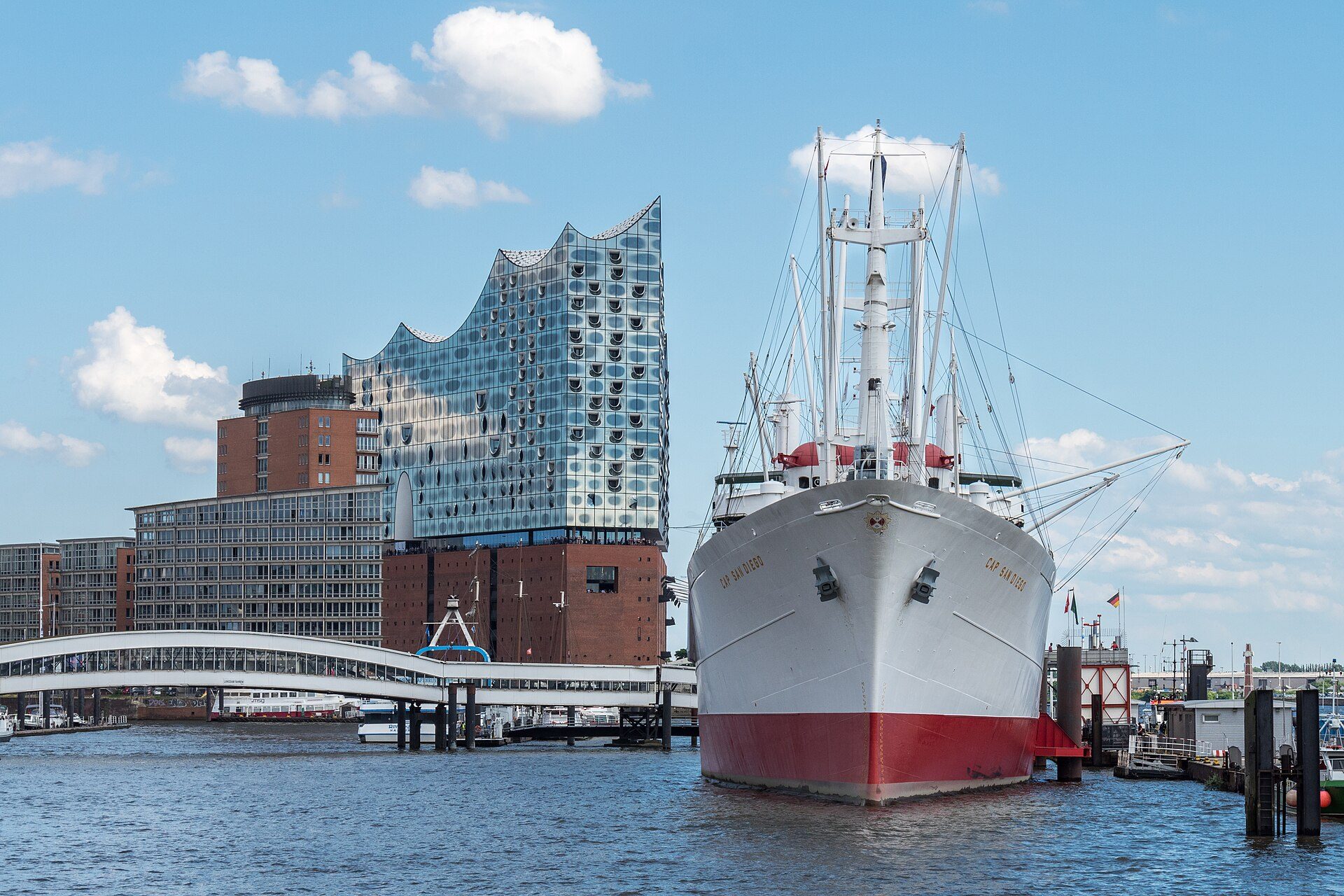

Harbor ferry near Landungsbrucken in Hamburg
Photo by Dietmar Rabich

Airport transfers and first-day movement

Your arrival decision shapes the whole first day.

  • Do not over-optimize the cheapest route
  • Check the final hotel connection
  • Keep one backup option

For most first stays, take the S1 from Hamburg Airport into the city. It is the cleanest default because you usually stay inside the same hvv fare logic as the rest of the trip. A single AB ticket is about EUR 4.10; a day ticket is about EUR 8.20 if day one includes more movement.

Airport transfers only feel easy when the final hotel leg is realistic. A direct transfer can be worth it if the rail or bus answer turns awkward after a long flight.

A calmer first transfer usually protects the energy you need for the rest of day one.

Elbphilharmonie in Hamburg
Photo by JoachimKohler-HB

Best way to move around Hamburg each day

Use the city system as a tool, not as the whole plan.

  • One corridor or district cluster at a time
  • Use direct rides selectively
  • End near dinner or the hotel

The easiest urban days usually pair one strong walking district with one transit-supported move rather than repeating long back-and-forth journeys.

If the local system is direct, use it. If the final leg becomes awkward, paying for one clean ride can be the better decision.

Good transport planning is really route planning: fewer crossings, fewer transfers, and fewer dead miles.

Speicherstadt warehouse canal in Hamburg
Photo by Ajepbah

Passes, tickets, and what to check before buying

The cheapest fare is not always the smartest fare.

  • Count real rides, not imagined rides
  • Airport tickets may use different rules
  • Short trips need simple logic

Many visitors overbuy transit passes before they understand how many rides they will actually take.

Airport fares, regional lines, and tourist cards often follow different rules, so check those before buying anything that looks like an all-in-one answer.

For short city breaks, simplicity usually beats tiny savings.

Fish market or seafood scene in Hamburg
Photo by Flocci Nivis

When to walk, when to ride, and when the ferry actually wins

Hamburg works best when you stop treating every mode as interchangeable.

  • Walk Altstadt, Speicherstadt, and HafenCity in one block
  • Use S-Bahn or U-Bahn for Schanze, St. Pauli, and longer hotel jumps
  • Use ferries only when the route already belongs to the harbor

For most first trips, walking is best through the warehouse districts and the central core because the city starts making sense only when the canals, bridges, and brick architecture connect in your head. Transit starts paying off once the day shifts away from that compact core.

The ferry is a genuine Hamburg move when you are already at Landungsbruecken, heading along the river, or using the harbor as part of the route. It is not automatically the best answer if the hotel or the next district sits inland.

A taxi mainly wins late at night, in hard rain, or with heavy luggage. Otherwise, the city rewards travelers who solve long jumps with transit and keep the rest walkable.

Street scene in St. Pauli, Hamburg
Photo by Dietmar Rabich

Practical ticket logic for a short Hamburg stay

Buy the right ticket for the day you are actually having.

  • A single ticket is fine for a light day
  • A day ticket makes sense once you expect several rides
  • Do not overbuy before you know your route

If day one is airport, hotel, one district, and dinner, a single ticket can be enough. Once the plan includes the airport plus several local rides, the day ticket usually becomes the cleaner answer.

The Hamburg CARD only becomes interesting if you want both transit and the discount bundle. It should not be treated as an automatic tourist purchase.

The real rule is simple: buy for the route you built, not for an imaginary all-city marathon that you will never actually enjoy.

Hamburg City Hall exterior
Photo by Thomas Wolf, www.foto-tw.de

FAQ

What is the best way to get around Hamburg?
Walk Altstadt, Speicherstadt, and HafenCity; use S-Bahn or U-Bahn for longer jumps to Sternschanze, St. Pauli, or outer hotel bases; and use ferries when the route already touches Landungsbruecken or the harbor edge. Ferries are best when they replace a transfer, not when they become a detour.
Should I buy a transit pass in Hamburg?
Only if the number of planned rides clearly justifies it. Many short trips work better with simple pay-as-you-go logic.