Attractions guide - Germany - Other

Attractions in Hamburg

Hamburg works best when you build it as one harbor-and-center route, one warehouse district layer, and one dinner evening instead of reducing it to only canals and weather.

Best time: May to September for easier harbor walks, longer light, and stronger waterfront atmosphere.
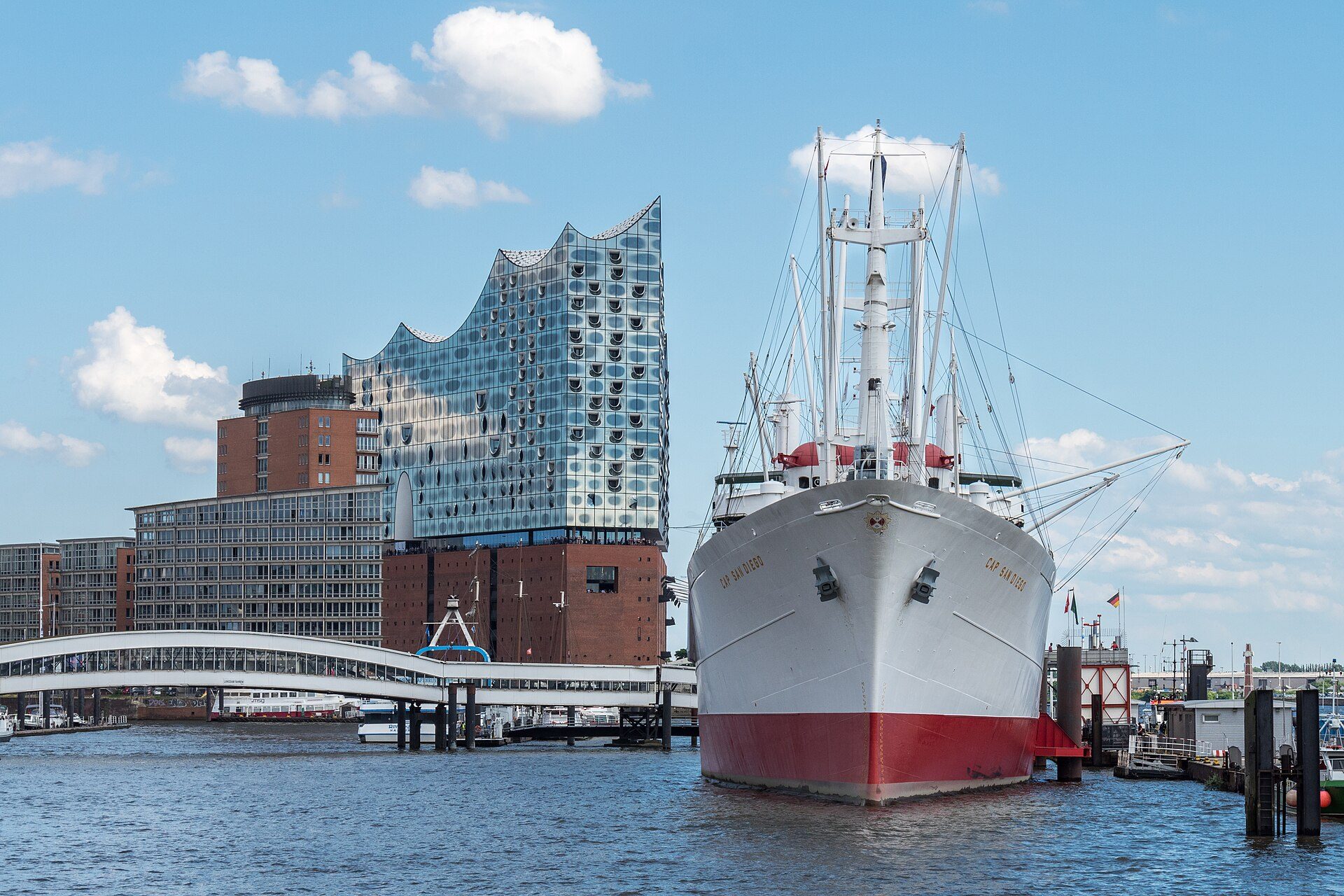
Elbphilharmonie in Hamburg
Photo by JoachimKohler-HB

Top highlights

Elbphilharmonie, Speicherstadt, and Harbor waterfront

Best supporting areas

Altstadt, Schanzenviertel, and St. Pauli

Main rule

One major attraction per day is usually enough.

Key takeaways

Top attractions worth prioritizing in Hamburg

These are the named places that usually deserve real time on a first trip.

  • Pick one major anchor per half-day
  • Pair each sight with the right nearby district
  • Do not turn the list into a race

In Hamburg, the highest-payoff sights usually start with Elbphilharmonie, Speicherstadt, and Harbor waterfront.

The strongest plan is to turn each named place into a district anchor, not to stack icons back to back.

Speicherstadt

Hamburg

This is the clearest first anchor for structuring a serious first route in Hamburg.
Elbphilharmonie in Hamburg
Photo by JoachimKohler-HB

How to organize major sights in Hamburg

The route matters as much as the ticket.

  • Keep the day geographically clean
  • Use timed entries carefully
  • Leave breathing room after the big sight

The biggest attractions in Hamburg usually begin with Elbphilharmonie, Speicherstadt, and Harbor waterfront. The smartest move is to use each one as a district anchor rather than bouncing between headline sights all day.

A better attraction day mixes one major icon with walking, cafes, markets, or neighborhood texture nearby.

The city feels richer when attractions sit inside a route instead of replacing the route.

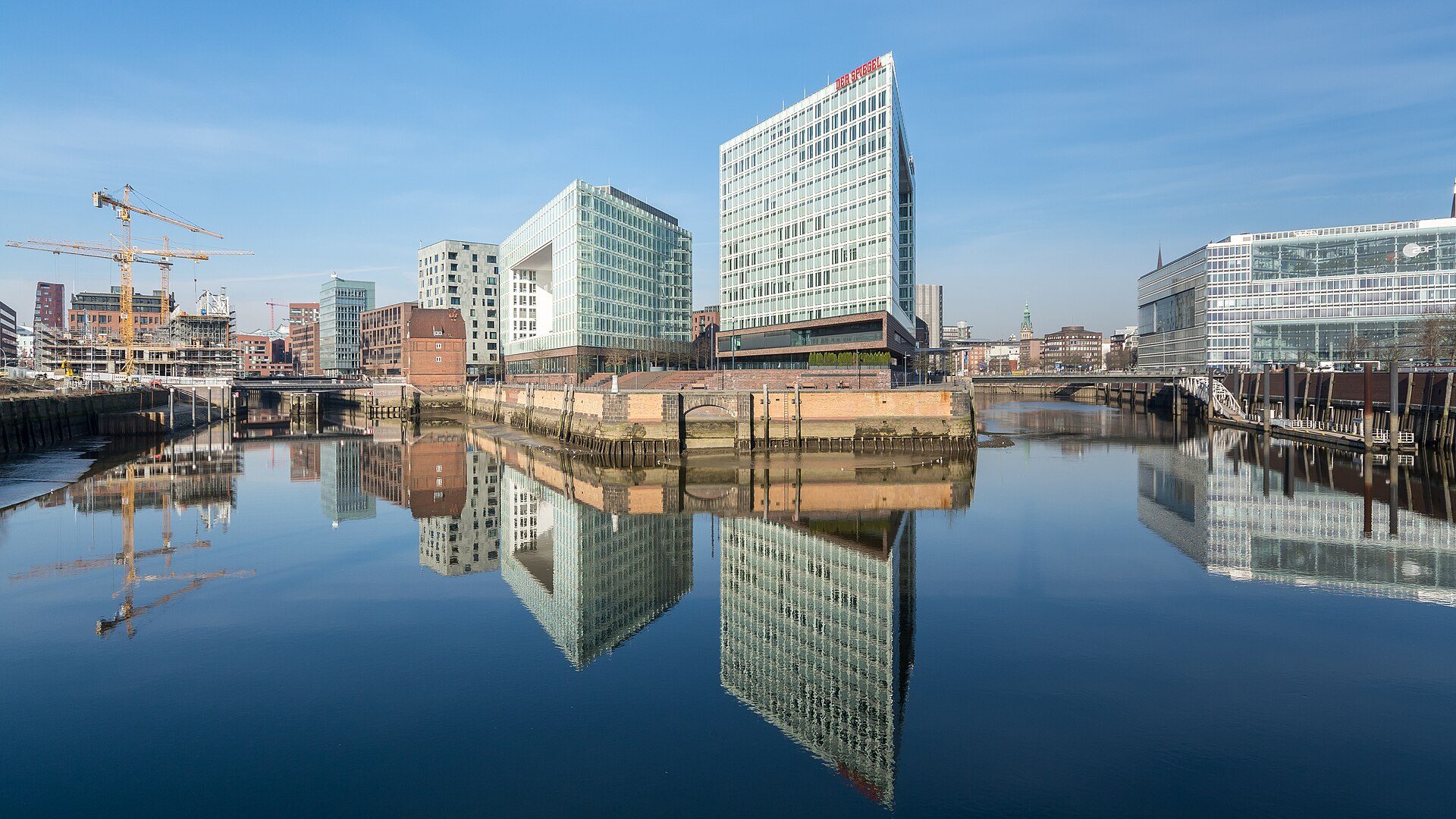
Speicherstadt warehouse canal in Hamburg
Photo by Ajepbah

Best neighborhoods to pair with attractions in Hamburg

A strong attraction plan usually ends in a good district.

  • Use nearby neighborhoods to fill the day
  • End near food or evening life
  • Let the district absorb the attraction

Neighborhoods such as Altstadt, Schanzenviertel, and St. Pauli help turn headline sights into a fuller city day.

Once the main attraction is done, switch into nearby streets, food stops, or quieter corners instead of forcing the next major icon immediately.

That transition is often what makes the city memorable rather than just efficient.

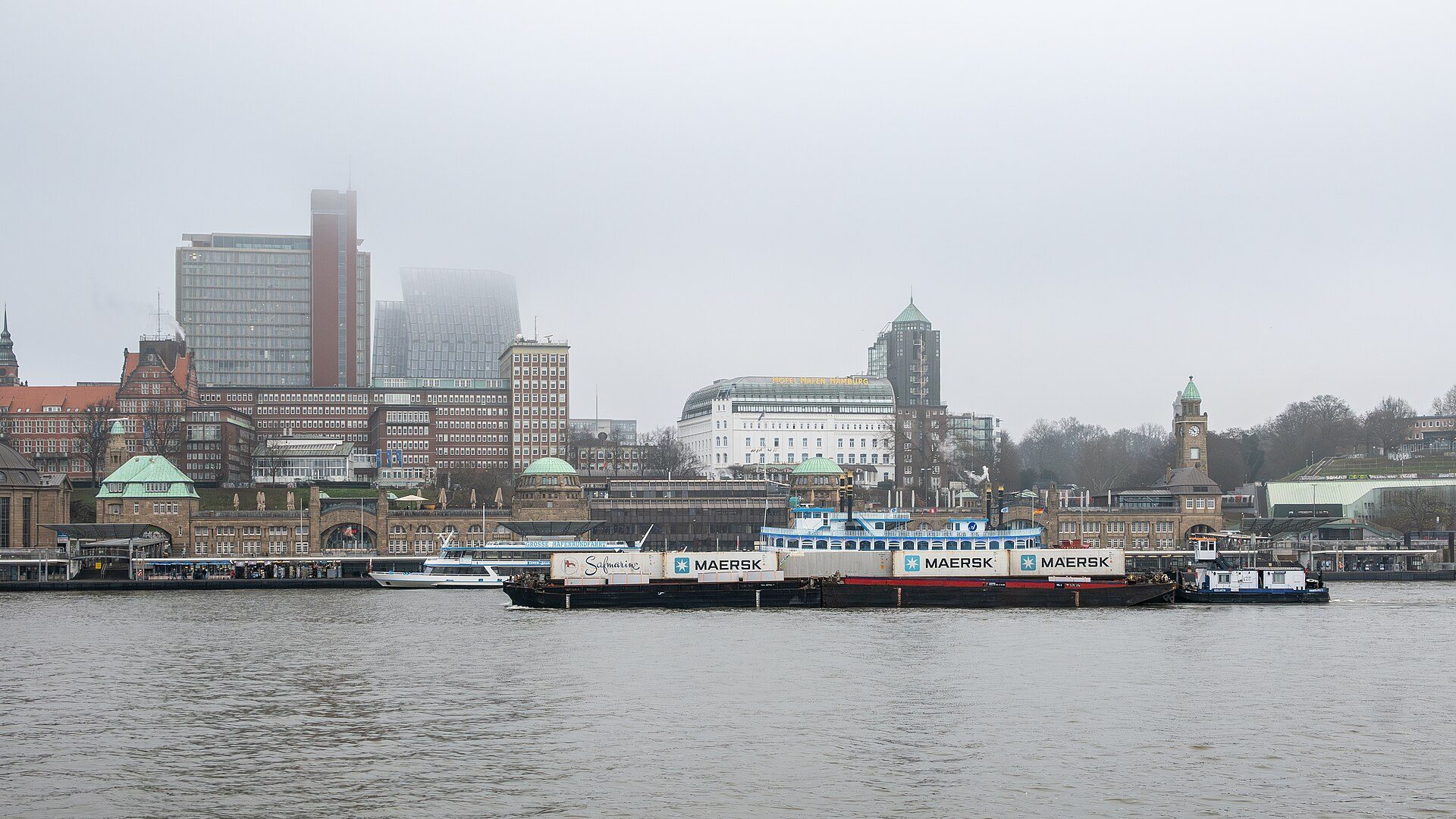
Harbor ferry near Landungsbrucken in Hamburg
Photo by Dietmar Rabich

Hamburg attractions that deserve real time

The city is stronger when landmark time and district time stay connected.

  • Elbphilharmonie and HafenCity fit one route
  • Speicherstadt needs walking time, not only photos
  • Miniatur Wunderland should be a chosen indoor block

Elbphilharmonie, HafenCity, and Speicherstadt naturally belong to the same day because they tell one story about old port infrastructure, new architecture, and the city’s waterfront identity. That route works better than scattering them across several rushed half-days.

Miniatur Wunderland is worth planning honestly because it can take more time than travelers expect. If it is a priority, treat it as the core indoor anchor of that district day rather than squeezing it between unrelated stops.

The city becomes more memorable once you stop treating each attraction as an isolated checkbox and start using whole zones like the harbor, the Alster, and St. Pauli as complete experiences.

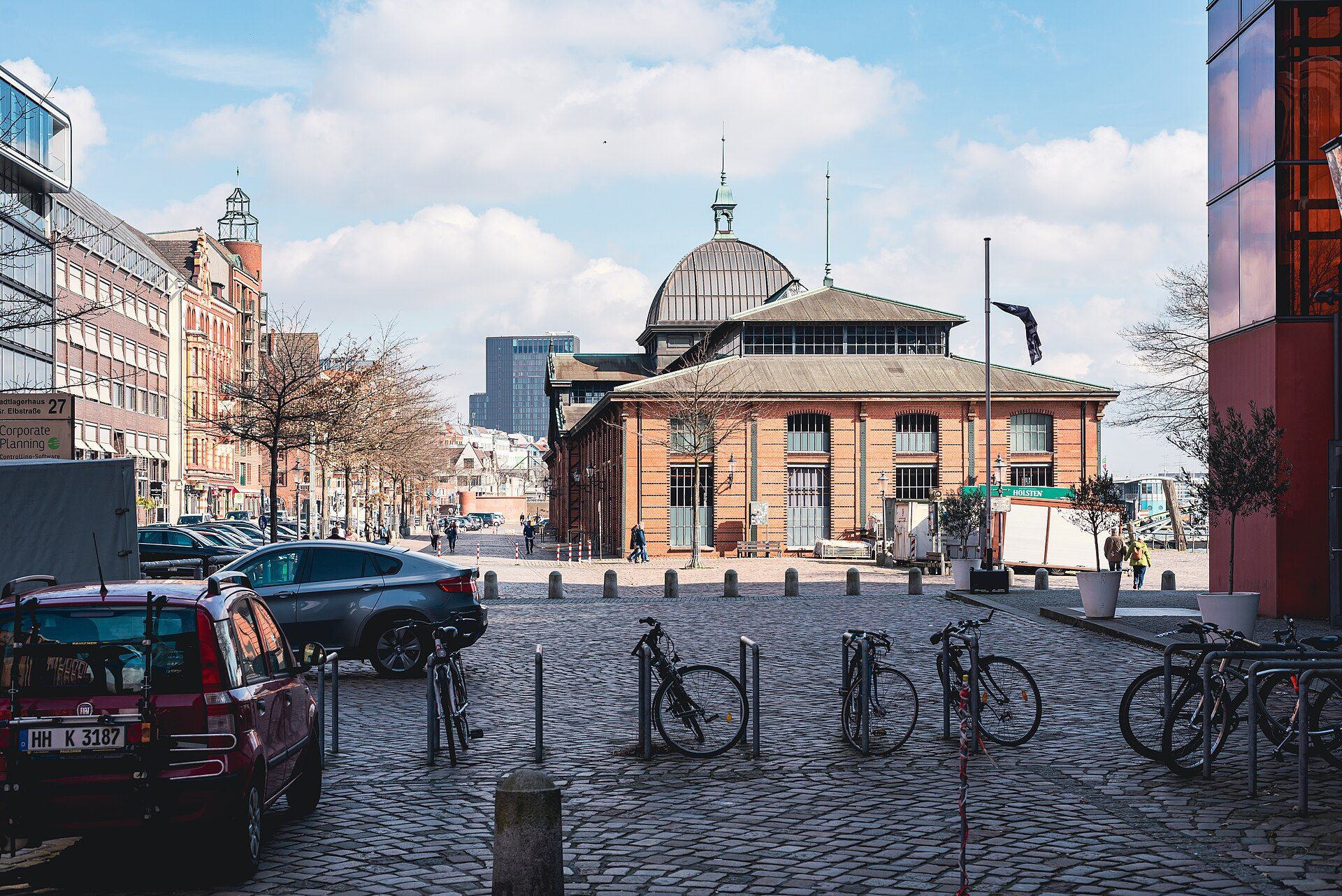
Fish market or seafood scene in Hamburg
Photo by Flocci Nivis

FAQ

What are the top attractions in Hamburg?
Most first-time visitors start with Elbphilharmonie, Speicherstadt, and Harbor waterfront, then shape the rest of the day around nearby neighborhoods and smaller stops.
How many major attractions should I do per day in Hamburg?
Usually one major attraction per day is enough if you want the trip to stay enjoyable rather than turning into a queue-to-queue schedule.