Weather guide - Italy - Europe

Weather in Florence

April to June and September to October.

Best time: April to June and September to October.

Best time

April to June and September to October.

Trip mindset

Plan around walking comfort, not only temperatures.

Packing logic

Match layers and shoes to the month, not just the destination.

Key takeaways

Weather patterns in Florence

Use seasonality to shape the route, not just the packing list.

  • Best time is only the starting point
  • Rain, heat, or wind change daily pace
  • Walking comfort matters more than perfect averages

The best-known planning window for Florence is April to June and September to October.. That helps, but the real decision is how weather changes your energy, route shape, and tolerance for long outdoor blocks.

Short trips improve when you match major outdoor plans to the easiest conditions and keep indoor backups in reserve.

Weather does not need to ruin the trip. It only needs to be planned for honestly.
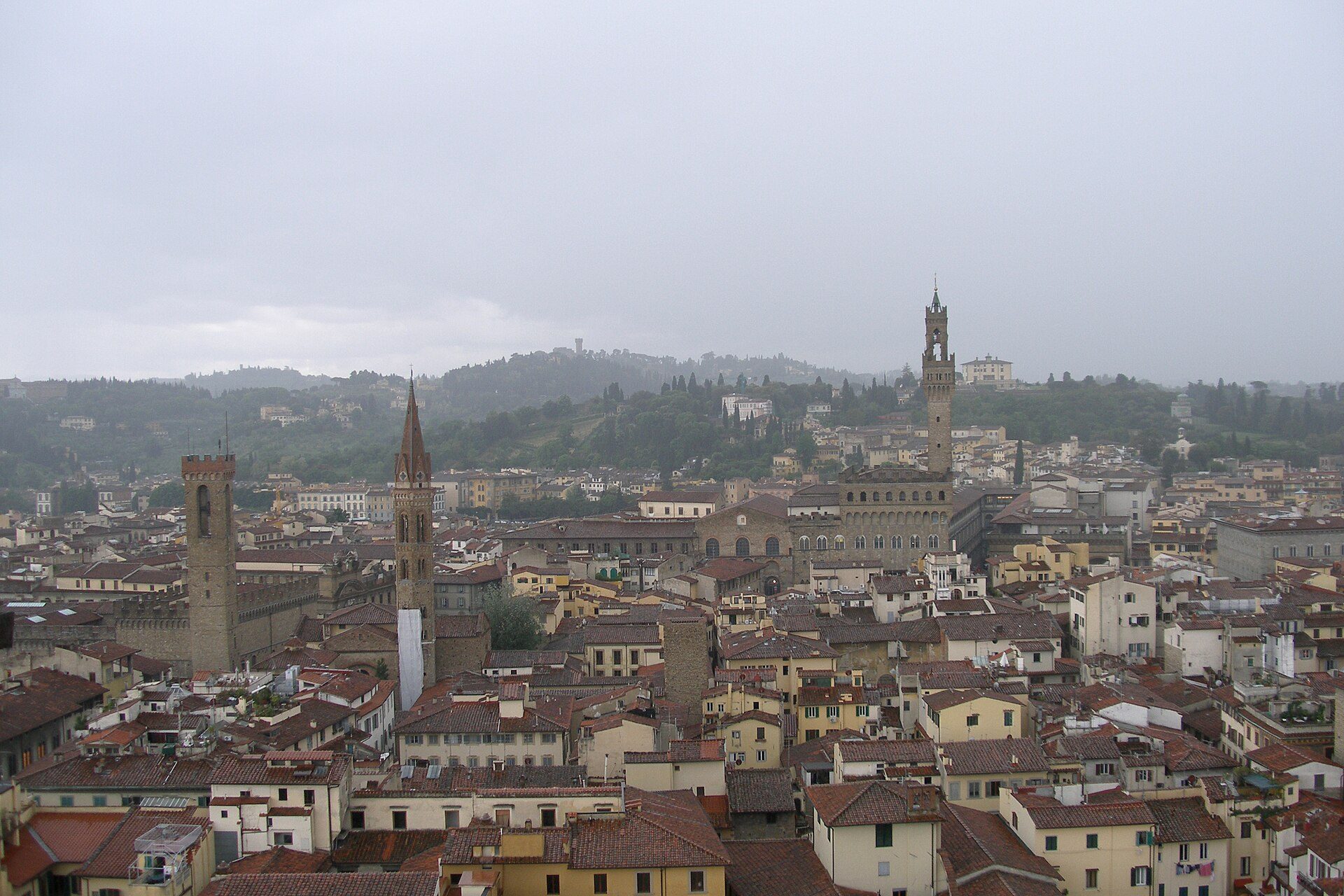
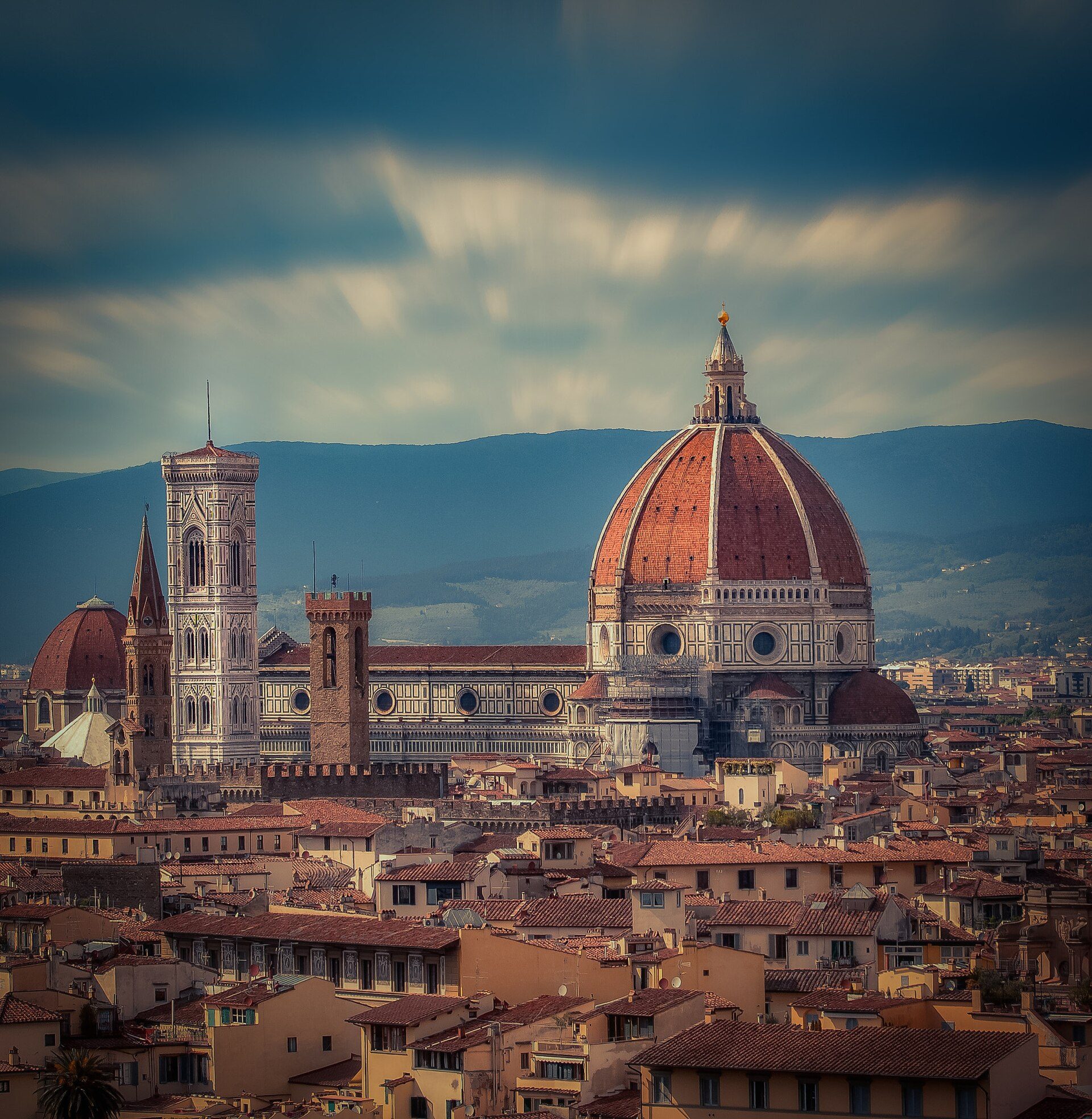
Central Florence street scene
Photo by Wikimedia Commons contributor

January to June weather snapshot

First-half months usually decide spring and early summer pacing.

  • Jan: Cool and quiet
  • Feb: Crisp and calm
  • Mar: Mild early spring

Jan: Layers and a warm jacket.

Feb: Short days, fewer crowds.

Mar: Great for walking; pack layers.

Apr: Light rain gear helps.

May: Longer days and outdoor dining.

Jun: Peak energy starts.

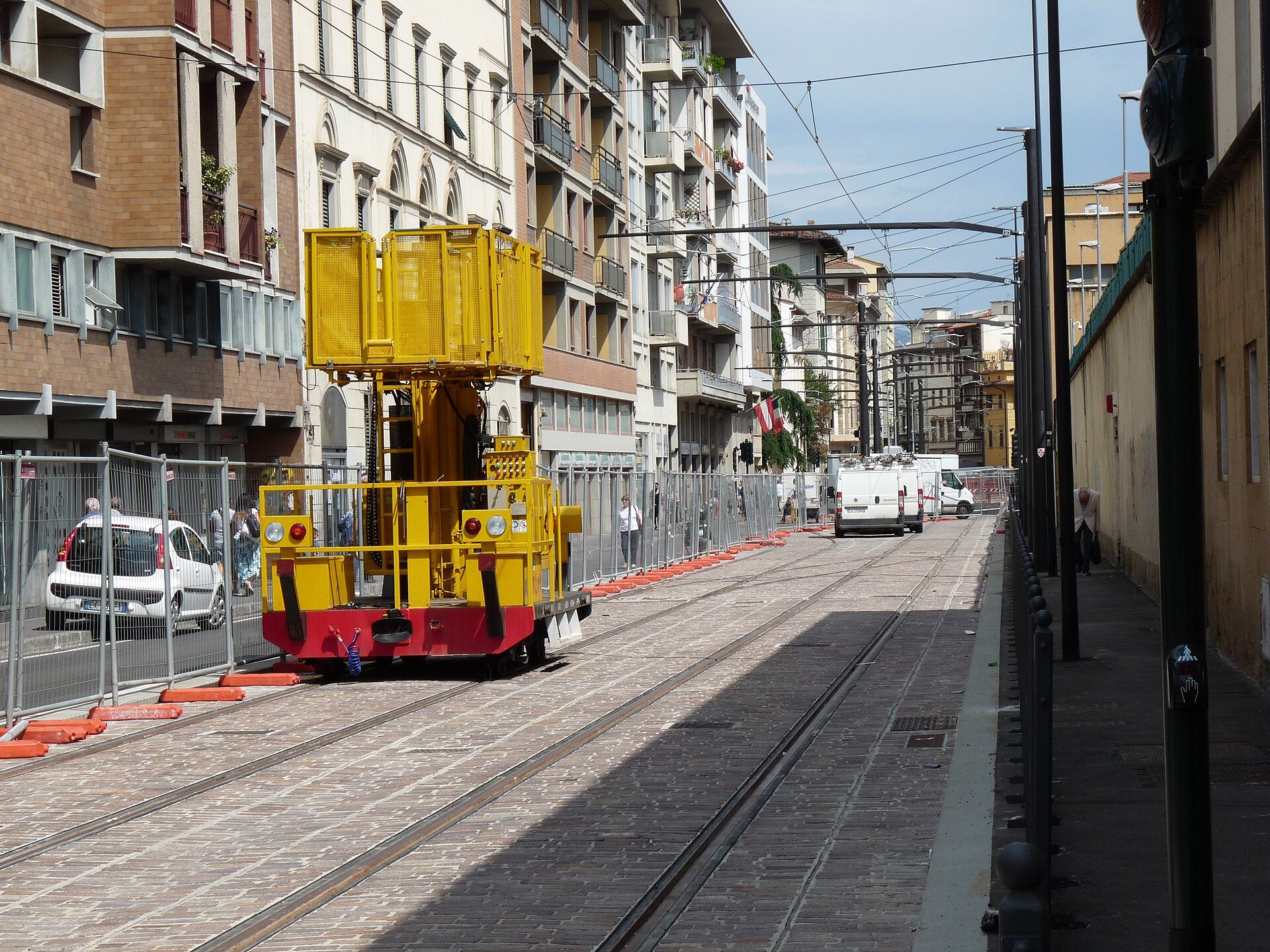
Transit scene in Florence
Photo by Wikimedia Commons contributor

July to December weather snapshot

Second-half months shape late summer, autumn, and winter travel rhythm.

  • Jul: Warm peak season
  • Aug: Warm and busy
  • Sep: Warm and relaxed

Jul: Book key sights early.

Aug: Expect queues and higher prices.

Sep: Excellent shoulder month.

Oct: Comfortable for sightseeing.

Nov: Shorter days, fewer tourists.

Dec: Holiday lights and markets.

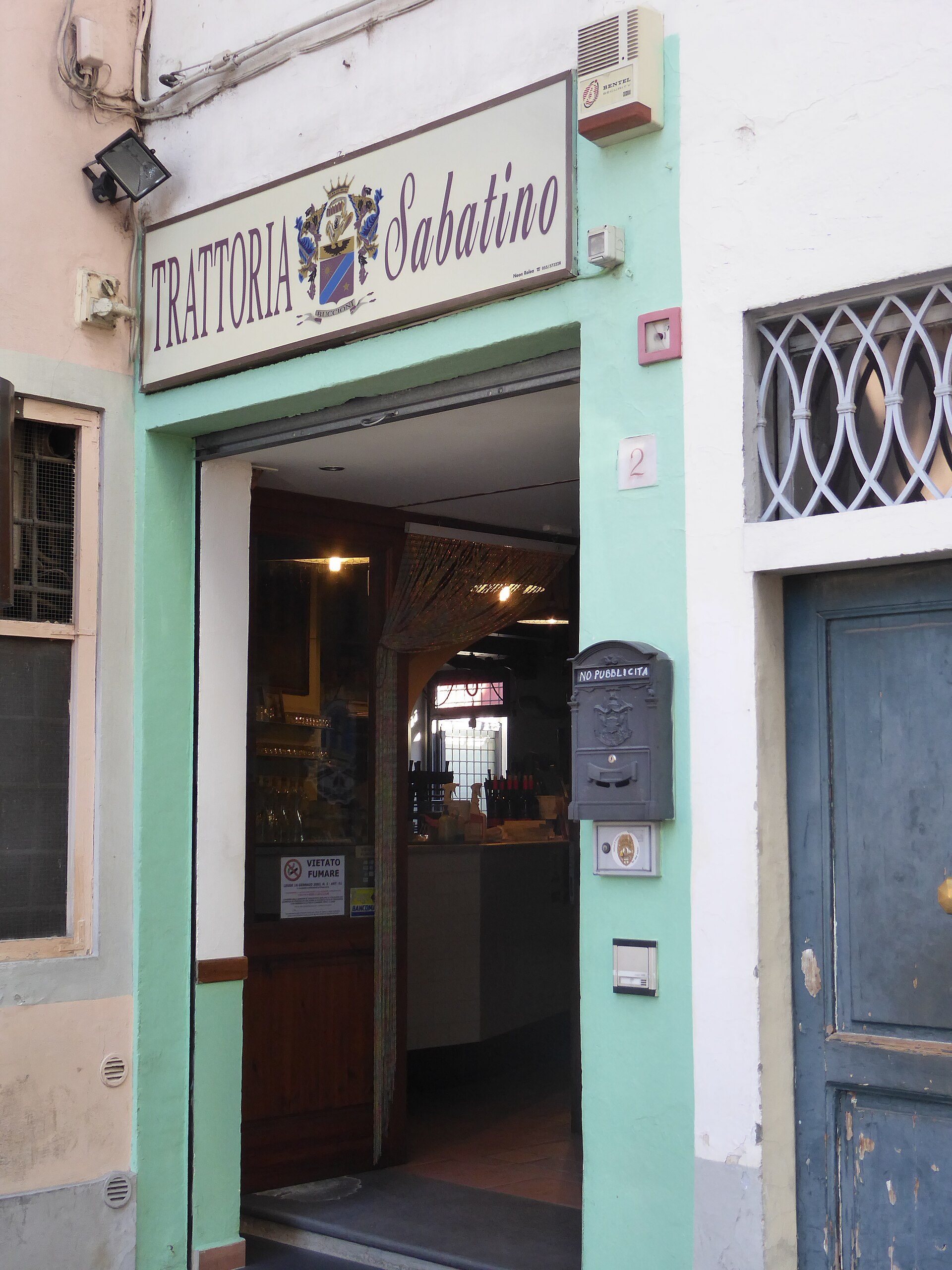
Restaurant or cafe scene in Florence
Photo by Wikimedia Commons contributor

How weather changes sightseeing in Florence

The right route changes with the season.

  • Outdoor anchors need a weather window
  • Transit time feels different in heat or rain
  • Evening plans often save the day

In Florence, weather changes more than temperature. It changes walking speed, queue tolerance, and how ambitious the itinerary should be.

The strongest days usually start with one weather-sensitive anchor, then pivot into nearby indoor or flexible stops if conditions change.

Evening districts, covered markets, cafes, and museums are what keep the day useful when the forecast turns.

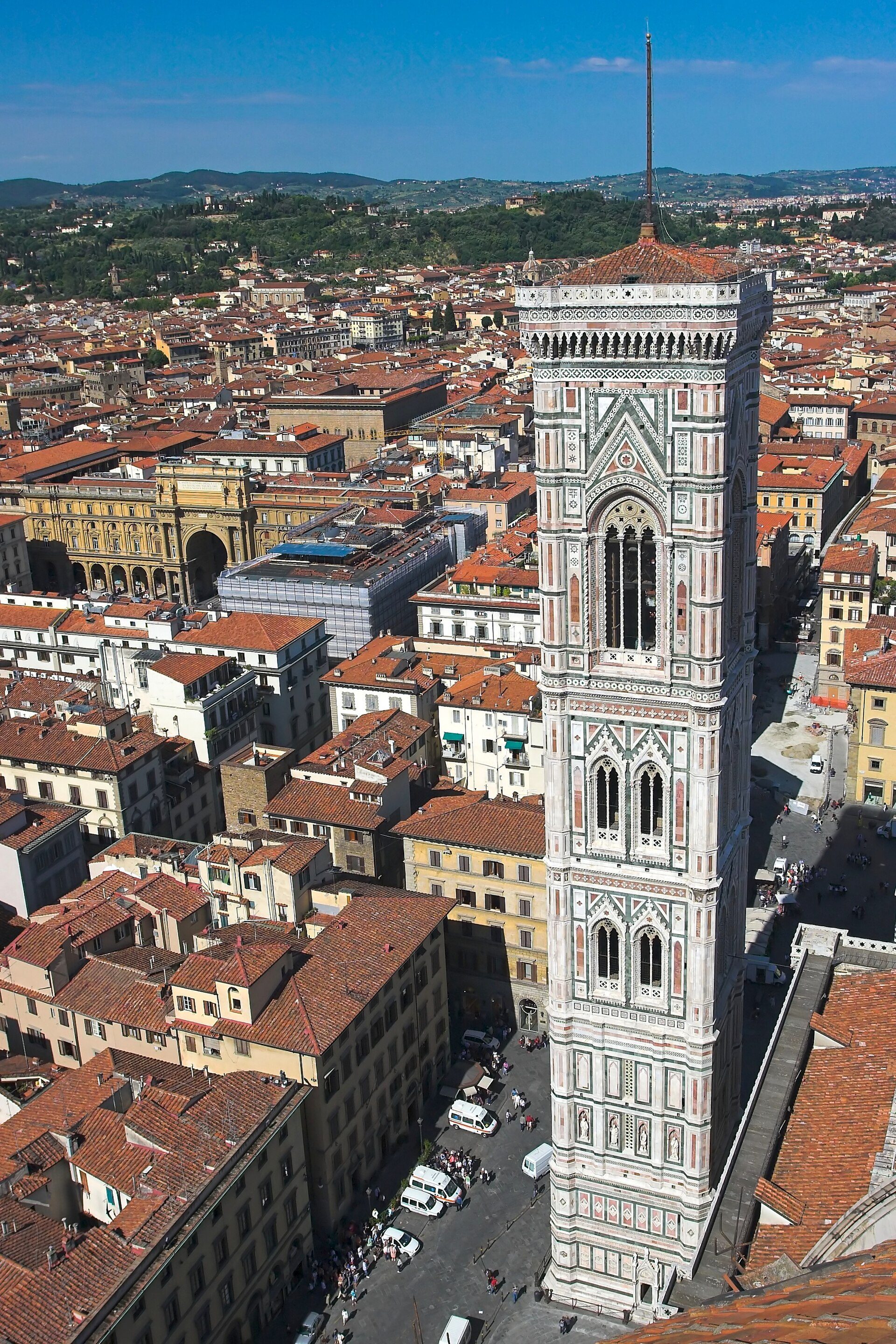
Major attraction in Florence
Photo by Wikimedia Commons contributor

FAQ

What is the best month to visit Florence?
April to June and September to October.
Does weather change how I should plan Florence?
Yes. Build one weather-sensitive outdoor anchor per day, then keep indoor backups and a flexible evening plan.