North America
United States Travel Guide
The United States works best when you stop seeing it as one trip and instead treat it as a set of separate city-and-region journeys with very different costs, walking logic, food culture, and transport reality.
Browse cities
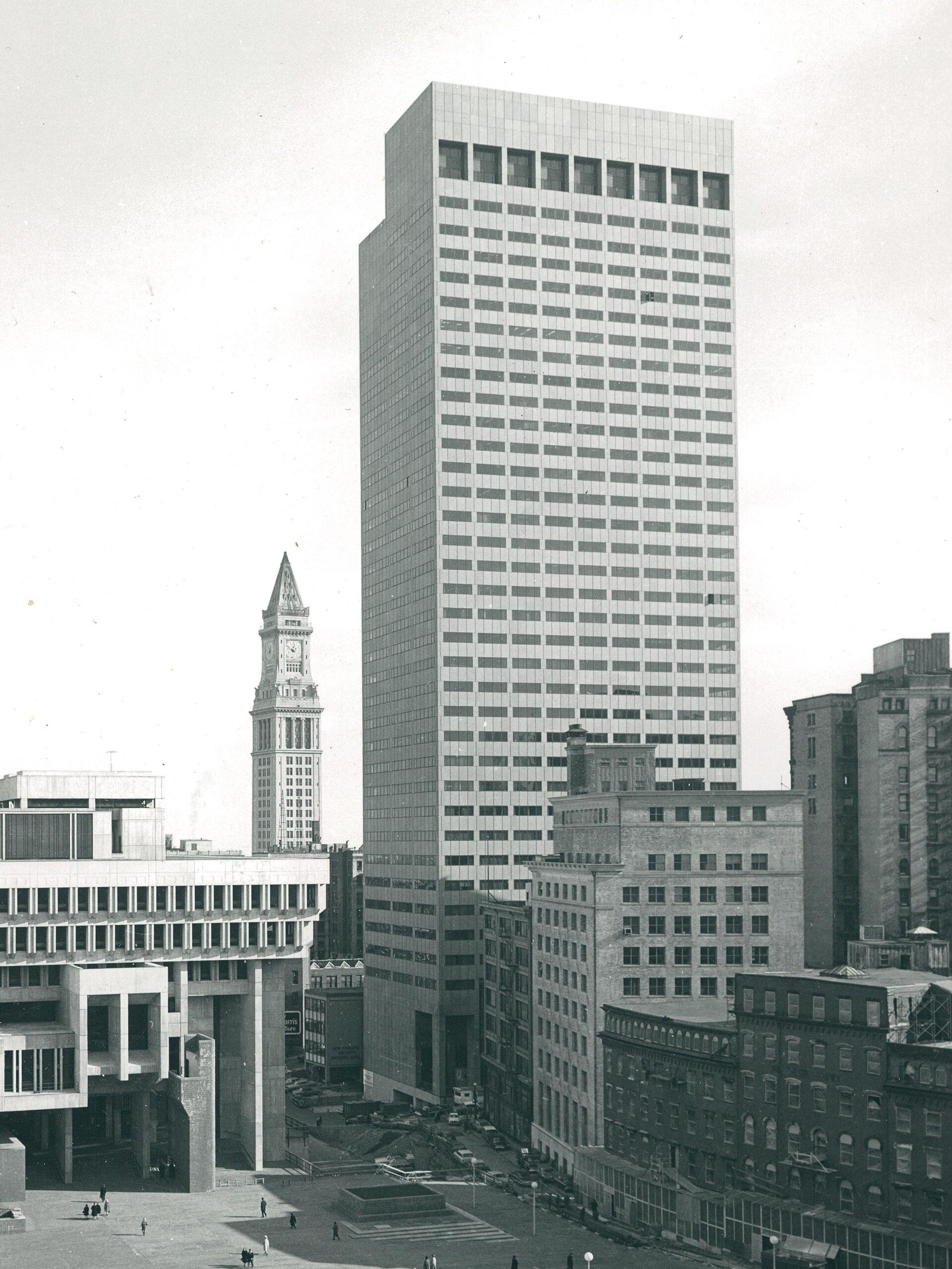
Boston
Boston works best when you stop treating it as only the Freedom Trail and instead build it as one historic-core route, one museum-or-waterfront layer, and one dinner evening that lets the city feel collegiate, coastal, and more compactly intelligent than a simple landmark checklist suggests.
 Chicago
 works best when you build it as one architecture-and-river route, one neighborhood layer, and one dinner evening instead of flattening it into only skyscrapers and deep-dish cliches.
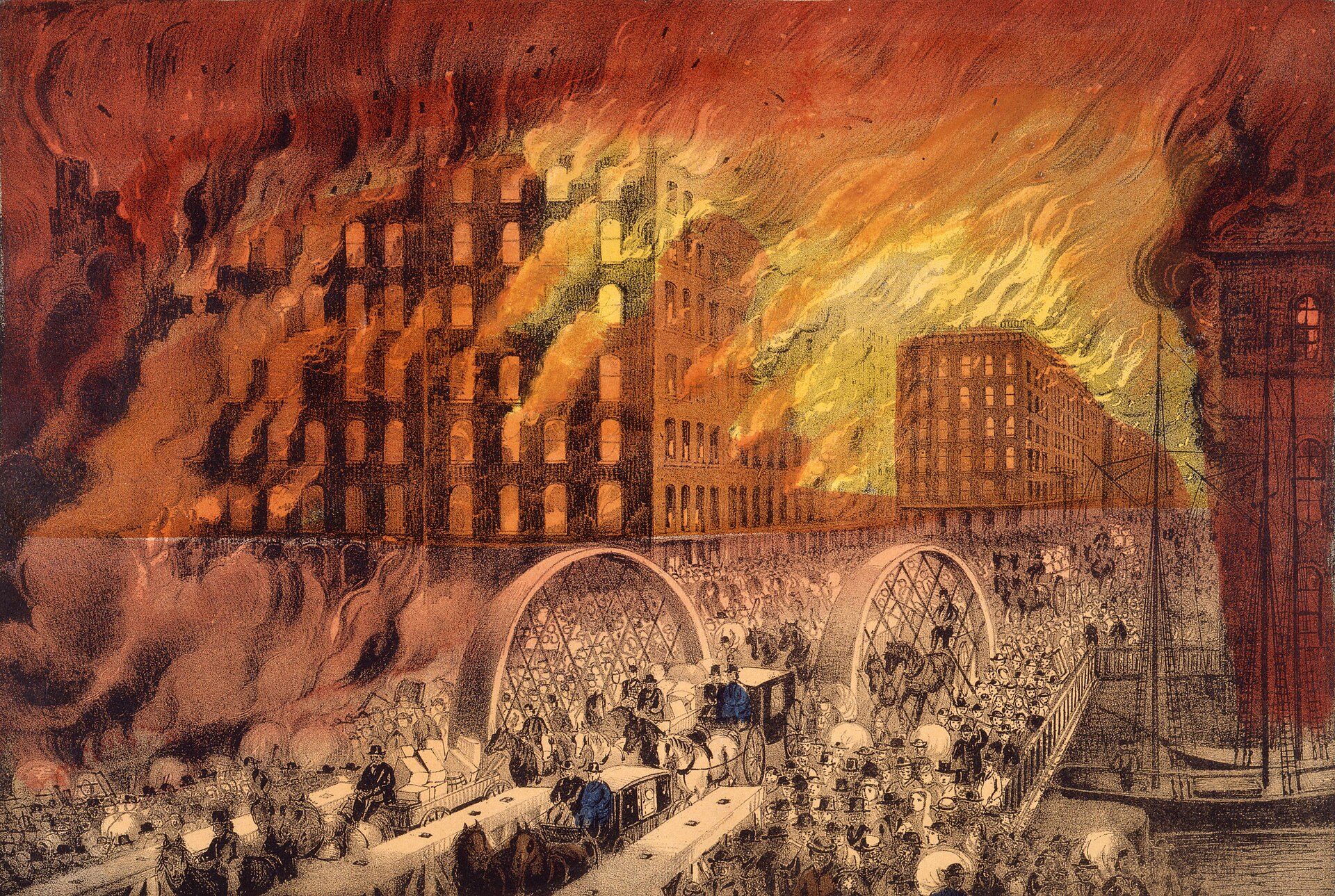
Chicago
Chicago works best when you build it as one architecture-and-river route, one neighborhood layer, and one dinner evening instead of flattening it into only skyscrapers and deep-dish cliches.
 Los Angeles
 works best when you stop treating it as one giant checklist and instead build it as one coast or Westside route, one central-city or museum layer, and one dinner evening that respects traffic, distance, and neighborhood identity instead of trying to force the whole map into one trip.
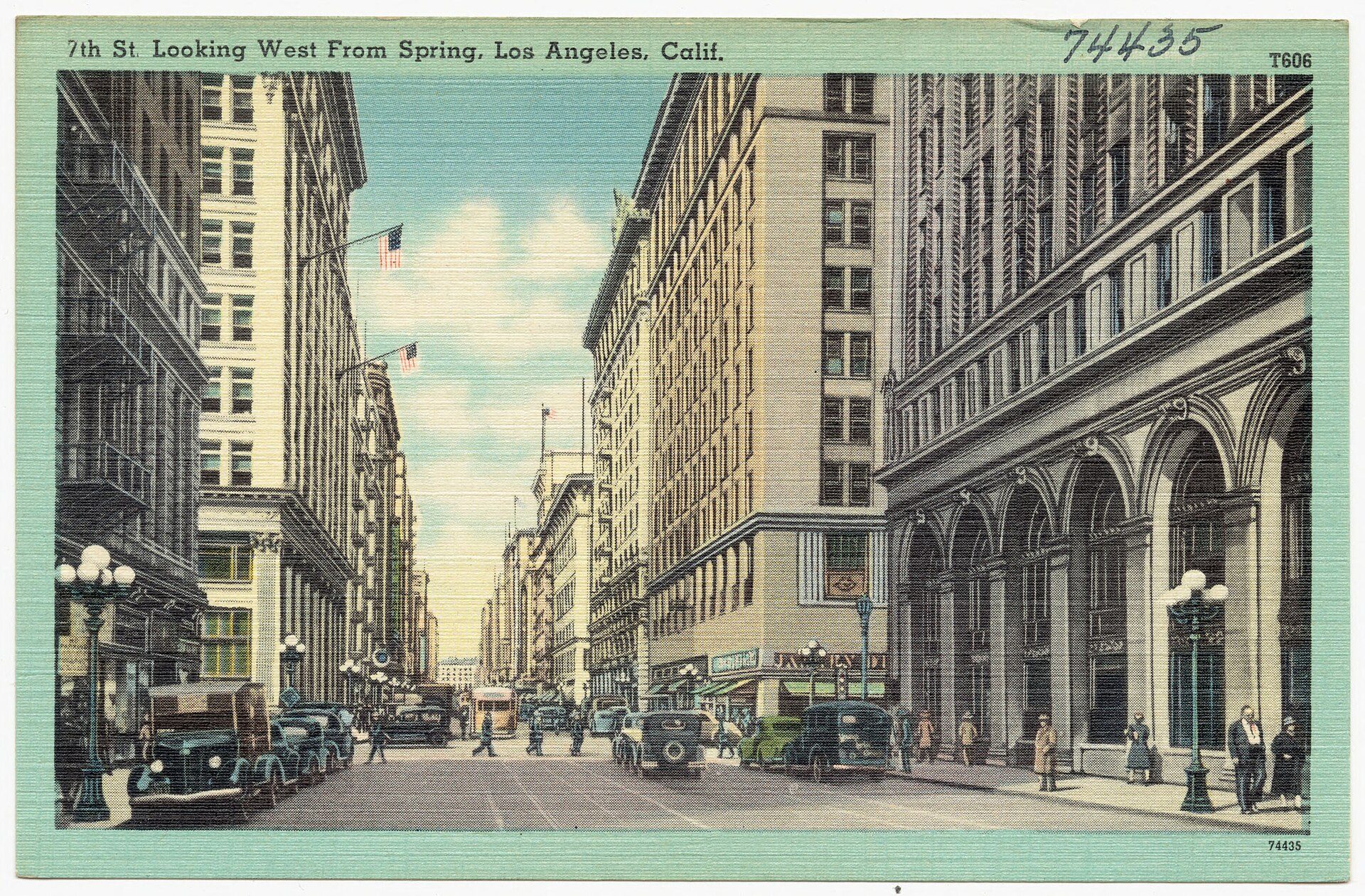
Los Angeles
Los Angeles works best when you stop treating it as one giant checklist and instead build it as one coast or Westside route, one central-city or museum layer, and one dinner evening that respects traffic, distance, and neighborhood identity instead of trying to force the whole map into one trip.
 Miami
Miami works best when you stop treating it as one beach postcard and instead build it as one Miami Beach or waterfront route, one mainland neighborhood layer, and one dinner evening that lets the city feel tropical, Latin, and more district-specific than a generic party-city summary suggests.
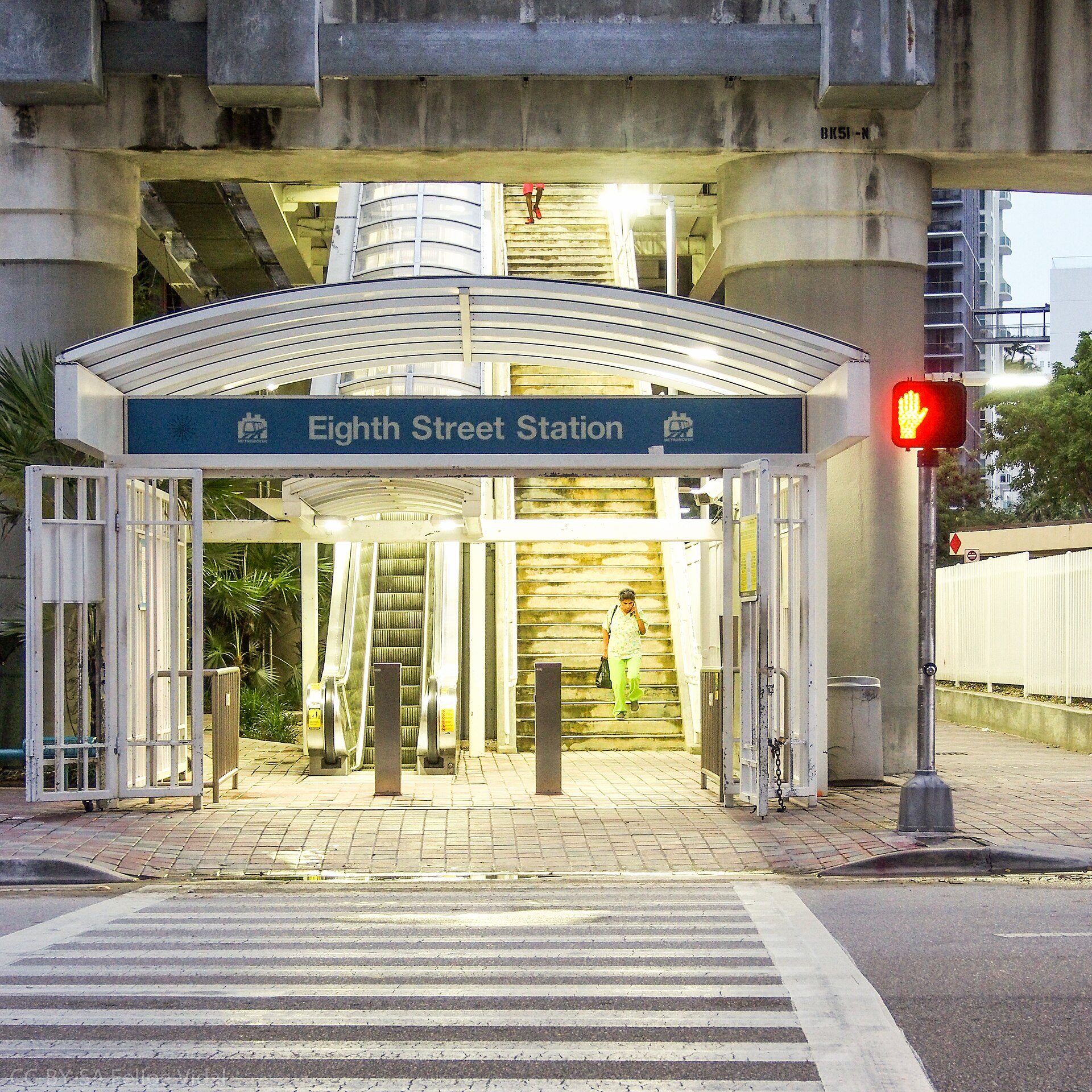
Miami
Miami works best when you stop treating it as one beach postcard and instead build it as one Miami Beach or waterfront route, one mainland neighborhood layer, and one dinner evening that lets the city feel tropical, Latin, and more district-specific than a generic party-city summary suggests.
 New York
 works best when you stop trying to win at borough-by-borough bragging and instead give yourself one downtown day, one midtown-or-park day, one Brooklyn or outer-borough layer, and one late-night food or music route that belongs to the neighborhood you are already in.
New York
New York works best when you stop trying to win at borough-by-borough bragging and instead give yourself one downtown day, one midtown-or-park day, one Brooklyn or outer-borough layer, and one late-night food or music route that belongs to the neighborhood you are already in.
 San Francisco
 works best when you stop treating it as only views and cable cars and instead build it as one waterfront-or-hill route, one neighborhood layer, and one dinner evening that lets the city feel compact, steep, and distinctly local rather than only iconic.
San Francisco
San Francisco works best when you stop treating it as only views and cable cars and instead build it as one waterfront-or-hill route, one neighborhood layer, and one dinner evening that lets the city feel compact, steep, and distinctly local rather than only iconic.
 Washington, DC
More practical Washington, DC planning with better airport-metro logic, stronger district choices, and cleaner pacing between museums, monuments, and neighborhood evenings.
Washington, DC
More practical Washington, DC planning with better airport-metro logic, stronger district choices, and cleaner pacing between museums, monuments, and neighborhood evenings.
Quick highlights
- Freedom Trail
- Back Bay
- Harbor
- Millennium Park
- Riverwalk
- Architecture
Visa basics
Check nationality-specific entry rules, passport validity, and onward travel requirements before booking.
Regional patterns
The Northeast, California, the South, the Mountain West, and the Midwest all behave like different travel systems. Cost, driving need, food identity, and walking comfort change sharply by region.
Budgeting logic
The biggest U.S. budget split is not just city versus countryside. It is hotel price, domestic flights, tipping, and whether the route is transit-friendly or car-dependent.
Country snapshot
This country rewards narrowing the scope. A strong U.S. trip usually means one city, one region, or one coast logic, not a grand national loop stitched together by expensive flights and lost recovery days.
Budget days often start around USD 140-220, mid-range around USD 250-420, and the fastest cost inflation comes from hotels, domestic flights, tipping, and big-ticket nightlife or entertainment cities.
How trips usually work
For first-time visitors, the smartest U.S. routes are city-focused: New York or Washington for an East Coast urban trip, California for a west-side route, Chicago for architecture and Midwest feel, or Miami for a warmer food-and-beach contrast.
Notable names
- Louis Armstrong
- Martin Scorsese
- Maya Angelou
Getting between cities
Domestic flights matter far more than rail for most intercity movement. The big exception is the Northeast Corridor, where Amtrak can compete well between cities like New York, Philadelphia, Washington, and Boston.
Before you go
Choose one strong gateway and let that city set the trip. The country gets weaker every time you add a second long-distance flight without a clear reason.
Hotels, domestic flights, and key ticketed experiences are the first things that punish late booking, especially in New York, California, and holiday periods.
Money and connectivity
Budgeting: Cards are effectively universal, but budget planning only makes sense if tipping and taxes are already part of the mental total.
Connectivity: A U.S. eSIM is enough, but save airport-to-hotel routes and at least one backup transfer before arrival because airport scale can add fatigue fast.
Tipping: Tipping is expected in the United States. Around 18 to 20 percent is the standard rule in sit-down restaurants; bars often mean about USD 1 to 2 per drink; coffee counters are optional.