Europe
Spain Travel Guide
Spain works best when you stop imagining one single national mood and instead use it as a country of strong regional contrasts: Barcelona for design and late dinners, Madrid for museum-and-night rhythm, Andalusia for heat and historic density, and the coast only when it honestly belongs in the route.
Browse cities
Barcelona
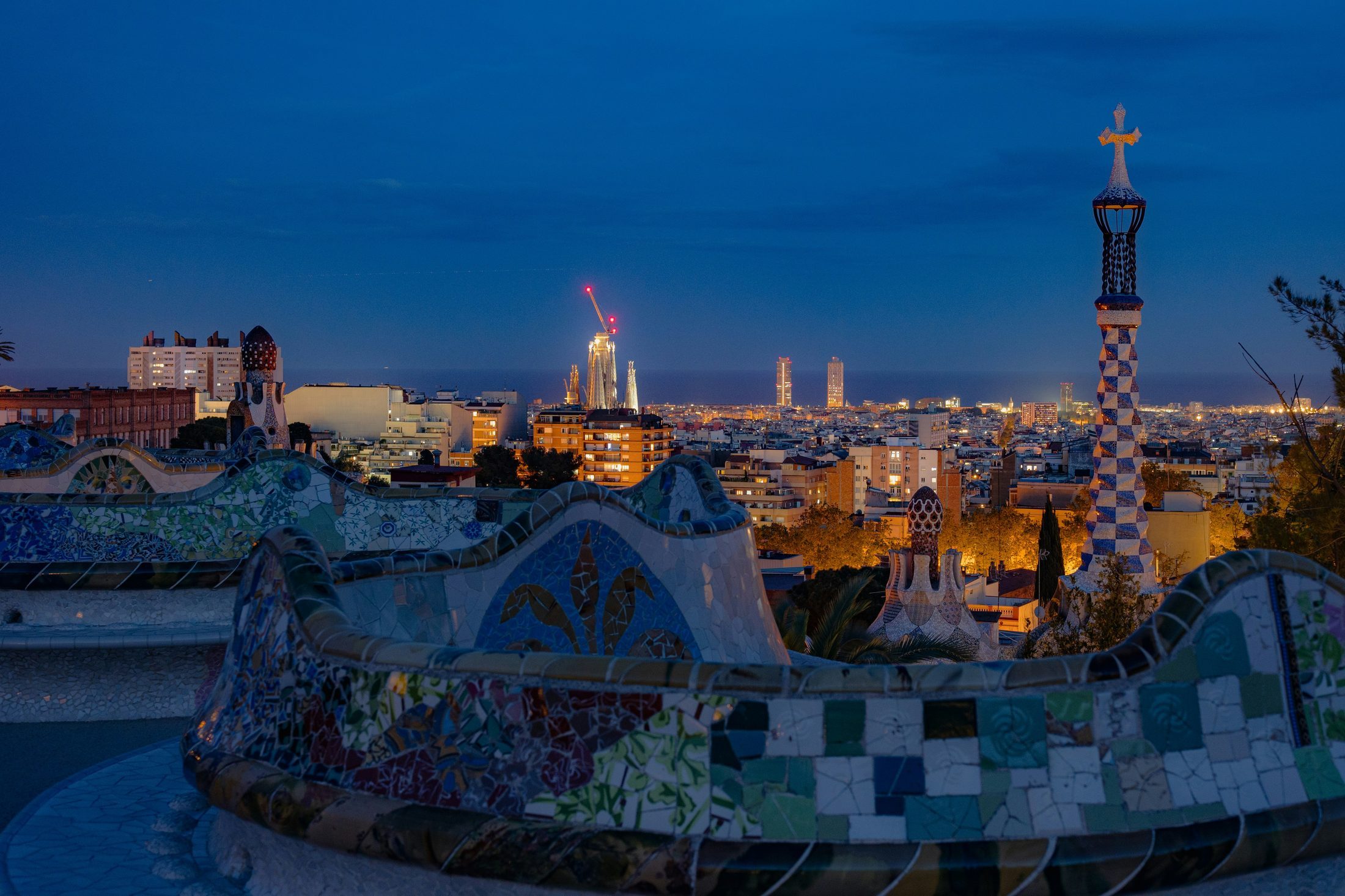
Barcelona works best when you balance Eixample and old-city pressure instead of trying to make Gaudi, Gothic lanes, beach time, markets, and late dinners all happen inside one undifferentiated loop. The city is strongest when architecture, food, and evening rhythm are arranged as separate layers that still talk to each other.
 Madrid
 works best when you stop reducing it to one museum triangle and instead plan it as linked moods: a royal-and-old-core day, an art-and-boulevard day, one market-and-neighborhood evening in places like La Latina, Chueca, or Conde Duque, and meals chosen by district rhythm instead of by disconnected map pins.
Madrid
Madrid works best when you stop reducing it to one museum triangle and instead plan it as linked moods: a royal-and-old-core day, an art-and-boulevard day, one market-and-neighborhood evening in places like La Latina, Chueca, or Conde Duque, and meals chosen by district rhythm instead of by disconnected map pins.
Quick highlights
- Sagrada Familia
- Gothic Quarter
- Barceloneta
- Prado Museum
- Retiro Park
- Royal Palace
Visa basics
Check nationality-specific entry rules, passport validity, and onward travel requirements before booking.
Regional patterns
Catalonia, Madrid, Andalusia, the Basque Country, and island Spain all feel different in pace, food, and climate. Treat them as separate trip families rather than interchangeable city stops.
Budgeting logic
The real budget split in Spain is not luxury versus budget alone. It is major gateway city versus smaller inland city, shoulder season versus peak coast, and whether the route includes islands, beach hotels, or many paid attractions.
Country snapshot
Spain is ideal for travelers who want food, walkable city cores, fast rail between major hubs, and a trip that can shift from grand architecture to beach or wine-country logic without becoming shapeless.
Budget city days can often work around EUR 80-130, mid-range around EUR 160-260, and the main cost jumps usually come from summer coasts, island flights, and heavy ticket days in Madrid or Barcelona.
How trips usually work
The smartest Spain trips usually open with Barcelona or Madrid, then add only one or two contrasts such as Seville, Valencia, San Sebastian, or a Balearic island. The trip gets weaker when every famous region is forced into the same week.
Notable names
- Pablo Picasso
- Salvador Dali
- Antoni Gaudi
Getting between cities
High-speed rail is the main strength between Madrid, Barcelona, Seville, Valencia, Malaga, and other major cities. Flights matter more for islands or when distances get too long for a clean rail day.
Before you go
Open with the city that gives the cleanest flight and first-night hotel logic, not the city that seems most iconic in isolation.
Book flagship attractions, long-distance trains, and summer island or beach stays early. Leave tapas hopping, markets, and neighborhood evenings more flexible.
Money and connectivity
Budgeting: Spain is card-friendly, but markets, quick cafes, and some smaller regional spots still reward carrying a bit of cash.
Connectivity: A local or regional eSIM is enough. What matters more is having train tickets, station names, and one late-night route saved before moving between cities.
Tipping: Tipping in Spain is modest. Small rounding up or around 5 to 10 percent for strong sit-down service is enough; bars and coffee stops usually only need small change.