Europe
Netherlands Travel Guide
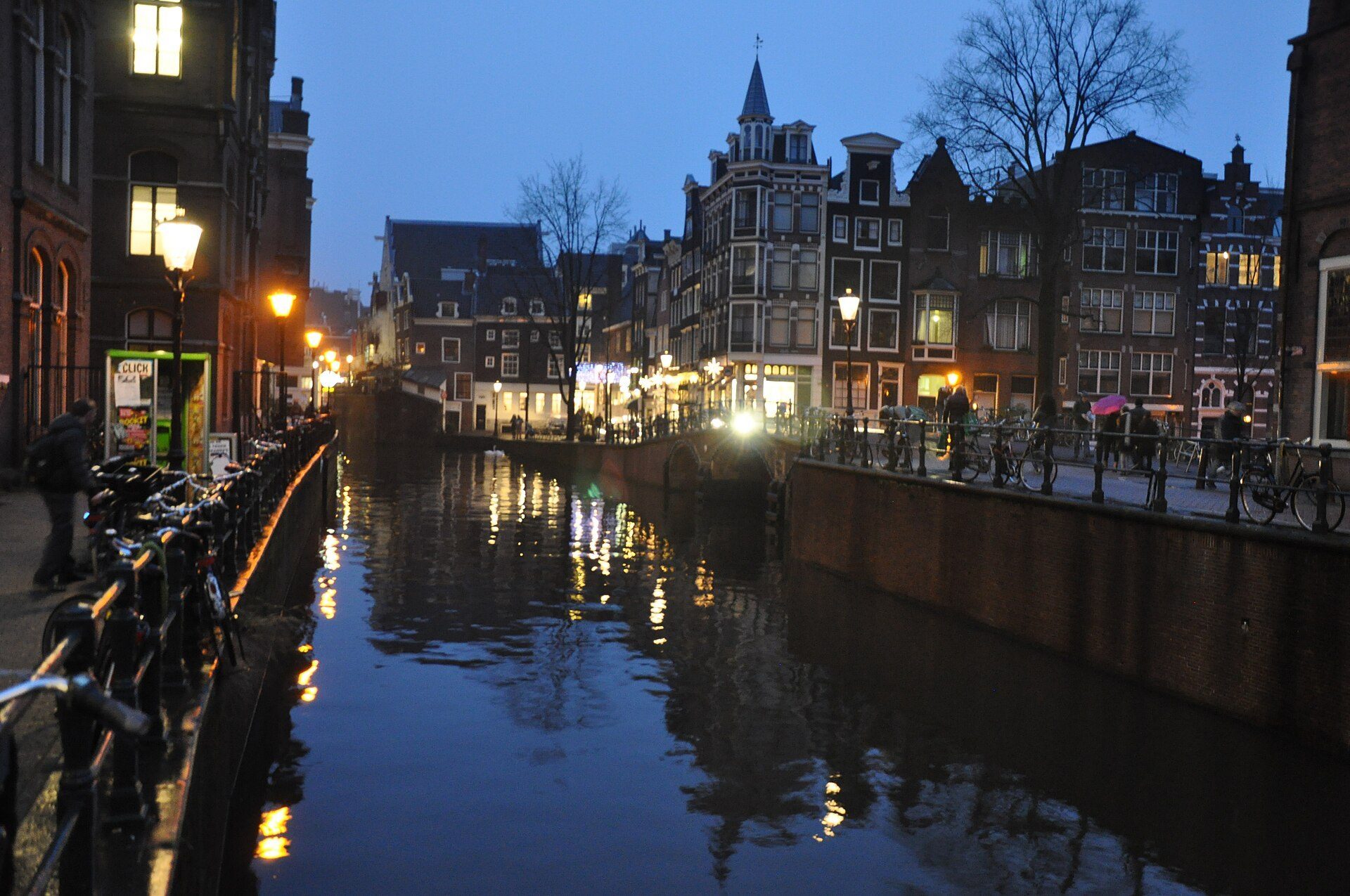
The Netherlands works best when you stop treating it as only Amsterdam and instead build a compact, high-quality route around canals, museums, short rail jumps, and one or two contrasting Dutch cities that change the trip without adding stress.
Browse cities
Quick highlights
- Canal ring
- Rijksmuseum
- Jordaan
Visa basics
Check nationality-specific entry rules, passport validity, and onward travel requirements before booking.
Regional patterns
Amsterdam and the Canal Belt, Rotterdam's modern contrast, Utrecht's compact center, and The Hague's institutional-coastal feel all support different but easy-to-combine trip moods.
Budgeting logic
The biggest split is Amsterdam versus the rest, plus whether you prioritize perfect central hotels or stay slightly farther out and use rail or trams intelligently.
Country snapshot
This is one of Europe's easiest countries for a multi-city trip because distances are short, public transport is strong, and urban quality stays high across Amsterdam, Rotterdam, Utrecht, The Hague, and smaller stops.
Budget city days often start around EUR 90-130, mid-range around EUR 180-280, and the main price pressure usually comes from Amsterdam lodging, event dates, and overpaying for centrally located hotels.
How trips usually work
Amsterdam is the clear gateway, but the strongest routes usually add just one or two complements such as Rotterdam, Utrecht, Haarlem, The Hague, or a smaller town rather than turning the country into a box-ticking circuit.
Notable names
- Vincent van Gogh
- Anne Frank
- Rembrandt van Rijn
Getting between cities
Rail is the backbone of Dutch travel and usually makes intercity movement easier than renting a car. Cars matter more only when the trip genuinely leans countryside, small villages, or logistics outside the rail spine.
Before you go
Open in Amsterdam when it is the real priority, but do not be afraid to shift nights outward if the rest of the route matters just as much.
Book headline museums and special hotel dates early. Leave markets, cafes, and smaller neighborhood movement more flexible.
Money and connectivity
Budgeting: Cards are widely used and often preferred, but a little cash still helps in occasional smaller situations or markets.
Connectivity: A local or EU eSIM is enough, but what matters more is having train and tram routes saved before each city move.
Tipping: Service is built into prices in the Netherlands. Rounding up or leaving about 5 to 10 percent for strong sit-down service is normal; coffee counters usually only need small rounding.