North America
Mexico Travel Guide
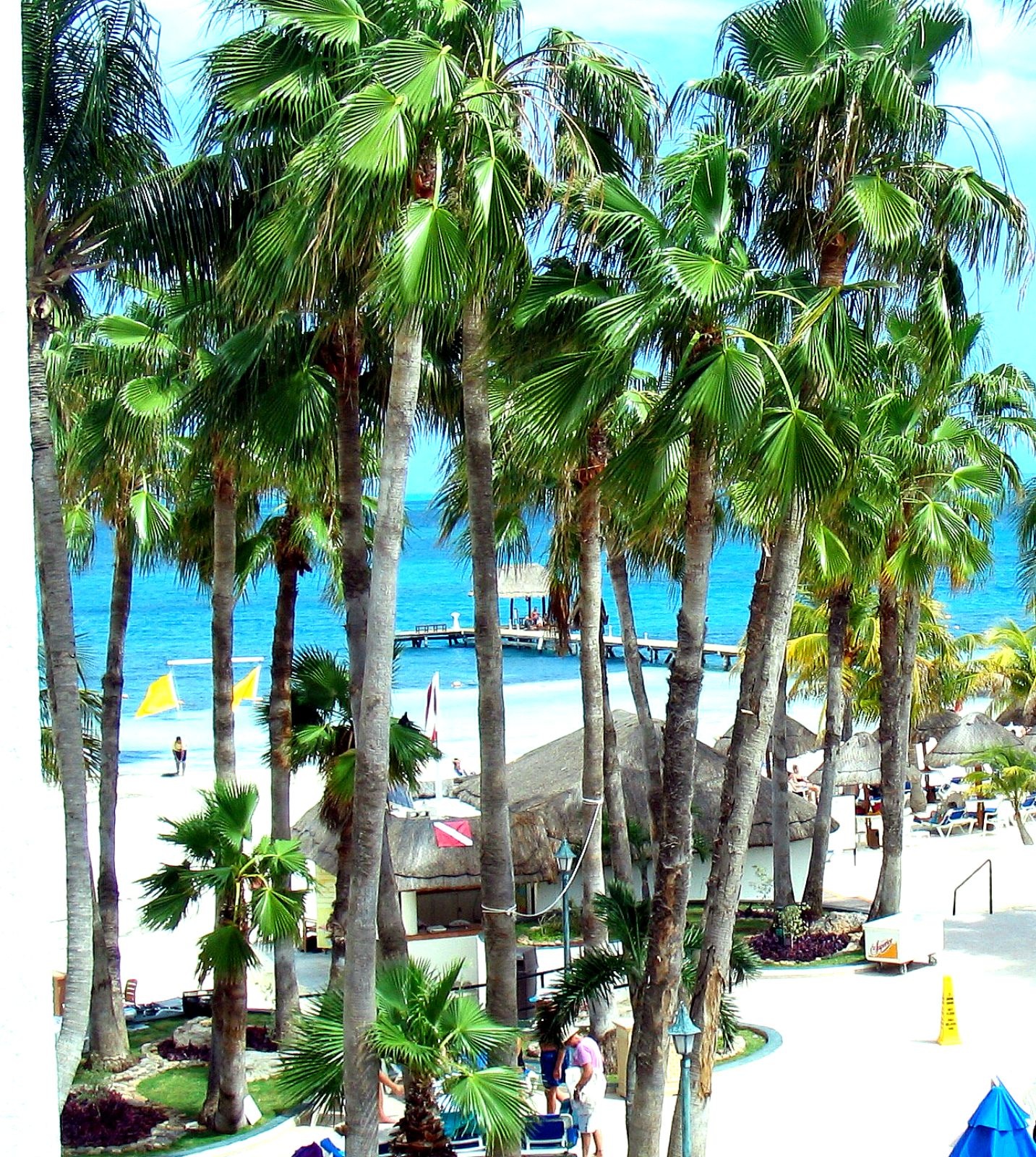
Mexico works best when you stop treating it as one flat destination and instead build around a few clear contrasts: gateway cities such as Cancun, Guadalajara, and Mexico City, practical movement between them, and named highlights like Hotel Zone, Beaches, and Day trips to cenotes that make each stop feel distinct.
Browse cities
Cancun
Sharper Cancun planning with clearer airport-to-hotel logic, stronger zone choices, and better pacing between beach time, day trips, and practical city movement.
 Mexico City
More practical Mexico City planning with stronger airport-arrival logic, district-based hotel choices, and cleaner pacing between Centro, Roma, Condesa, museums, and food-led evenings.
Mexico City
More practical Mexico City planning with stronger airport-arrival logic, district-based hotel choices, and cleaner pacing between Centro, Roma, Condesa, museums, and food-led evenings.
Quick highlights
- Hotel Zone
- Beaches
- Day trips to cenotes
- Guadalajara historic core
- Main landmark
- Top market
Visa basics
Check nationality-specific entry rules, passport validity, and onward travel requirements before booking.
Regional patterns
Mexico works best when its regions or city clusters are treated as distinct travel moods. In practice that usually means reading places like Cancun, Guadalajara, Mexico City, and Monterrey through different strengths such as Hotel Zone, Beaches, Day trips to cenotes, and Guadalajara historic core, not assuming the whole country behaves the same way.
Budgeting logic
In Mexico, budget days often begin around $80-120, while mid-range travel usually starts around $140-220. The biggest cost swings usually come from gateway-city hotels, seasonal peaks, and whether the route around Cancun, Guadalajara, and Mexico City stays compact or starts adding expensive long jumps.
Country snapshot
Mexico suits travelers who want a route shaped by clearer regional logic, practical movement, and stronger contrasts between places such as Cancun, Guadalajara, and Mexico City. Trips feel richest when headline stops like Hotel Zone, Beaches, and Day trips to cenotes are treated as anchors instead of a race.
Budget travel in Mexico often starts around $80-120, while a more comfortable city rhythm often starts around $140-220. The route gets more expensive fastest when too many long transfers or premium gateway hotels are added.
How trips usually work
The strongest Mexico itineraries usually start with Cancun and then add only one or two contrasts such as Guadalajara, Mexico City, and Monterrey instead of turning the country into a rushed collection run.
Getting between cities
Intercity movement in Mexico works best when you compare the main corridor between Cancun, Guadalajara, Mexico City, and Monterrey early and let the strongest mode lead the trip. In some countries that means rail, in others flights or buses, but the route always gets better once one backbone is chosen properly.
Before you go
Open with the city that gives the cleanest first-night logistics in Mexico. The trip usually improves when Cancun, Guadalajara, and Mexico City are sequenced by geography instead of by hype.
Book long-distance transport, standout hotels, and the country's biggest ticketed sights early. Keep neighborhood meals, markets, and lighter city wandering more flexible.
Money and connectivity
Budgeting: Budgeting in Mexico works best when you separate gateway-city prices from smaller-city or secondary-stop costs before the route is locked.
Connectivity: A local or regional eSIM is usually enough in Mexico, but what saves more time is having station, airport, or intercity transfer logic ready before each move.
Tipping: Tipping rules in Mexico should be checked before arrival and then treated consistently across the trip, especially when moving between larger cities and more local stops.