Asia
Japan Travel Guide
Japan works best when you stop treating it as a list of famous names and instead plan it by regional clusters, seasonality, and the contrast between huge cities, temple districts, mountain or coastal breaks, and slower food rhythm.
Browse cities
Kyoto
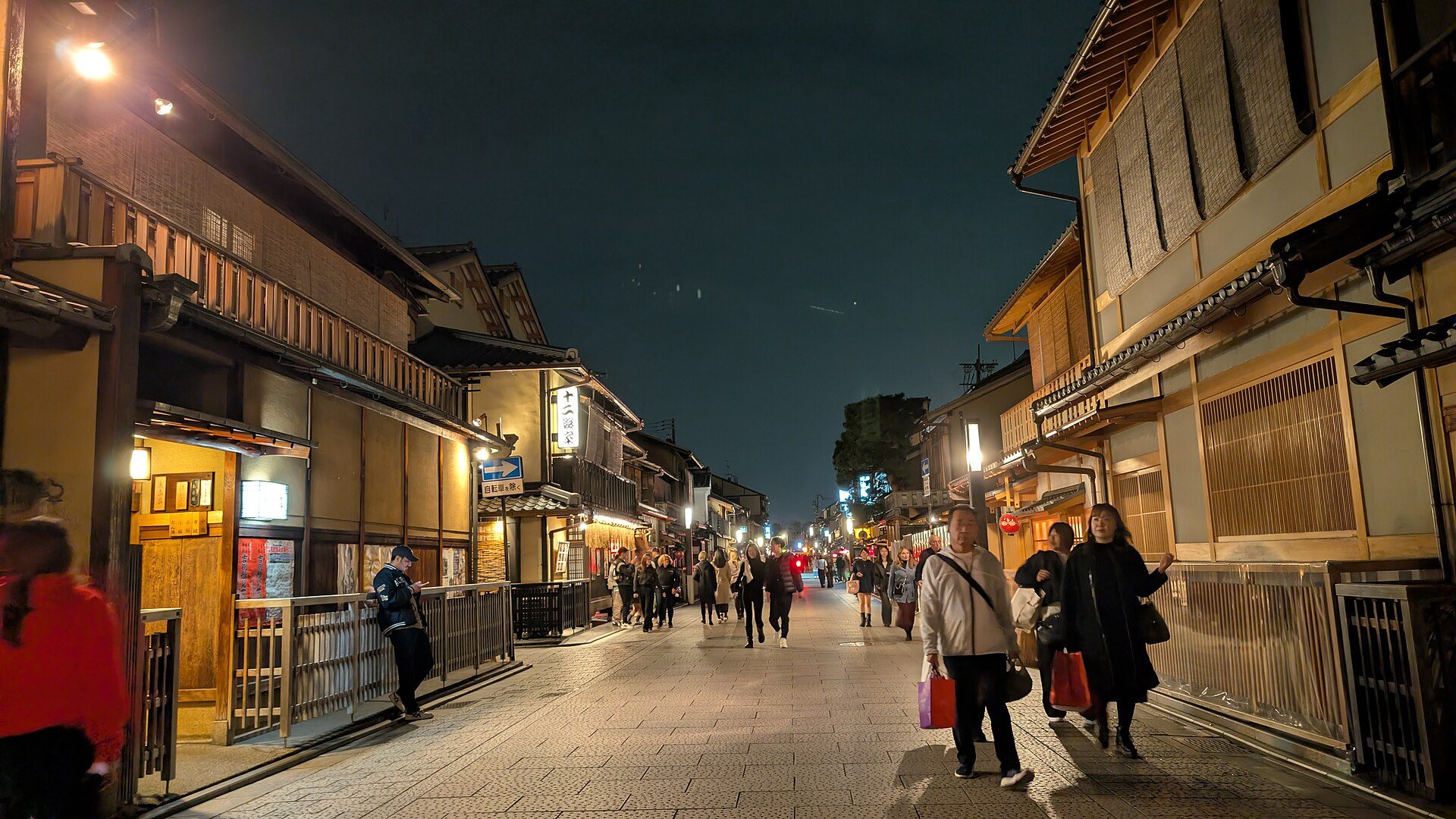
Kyoto works best when you commit to temple-cluster discipline: one eastern Kyoto day, one Arashiyama or western day, one central-market-and-evening layer, and no fantasy that every shrine on the map belongs in the same serene route.
 Osaka
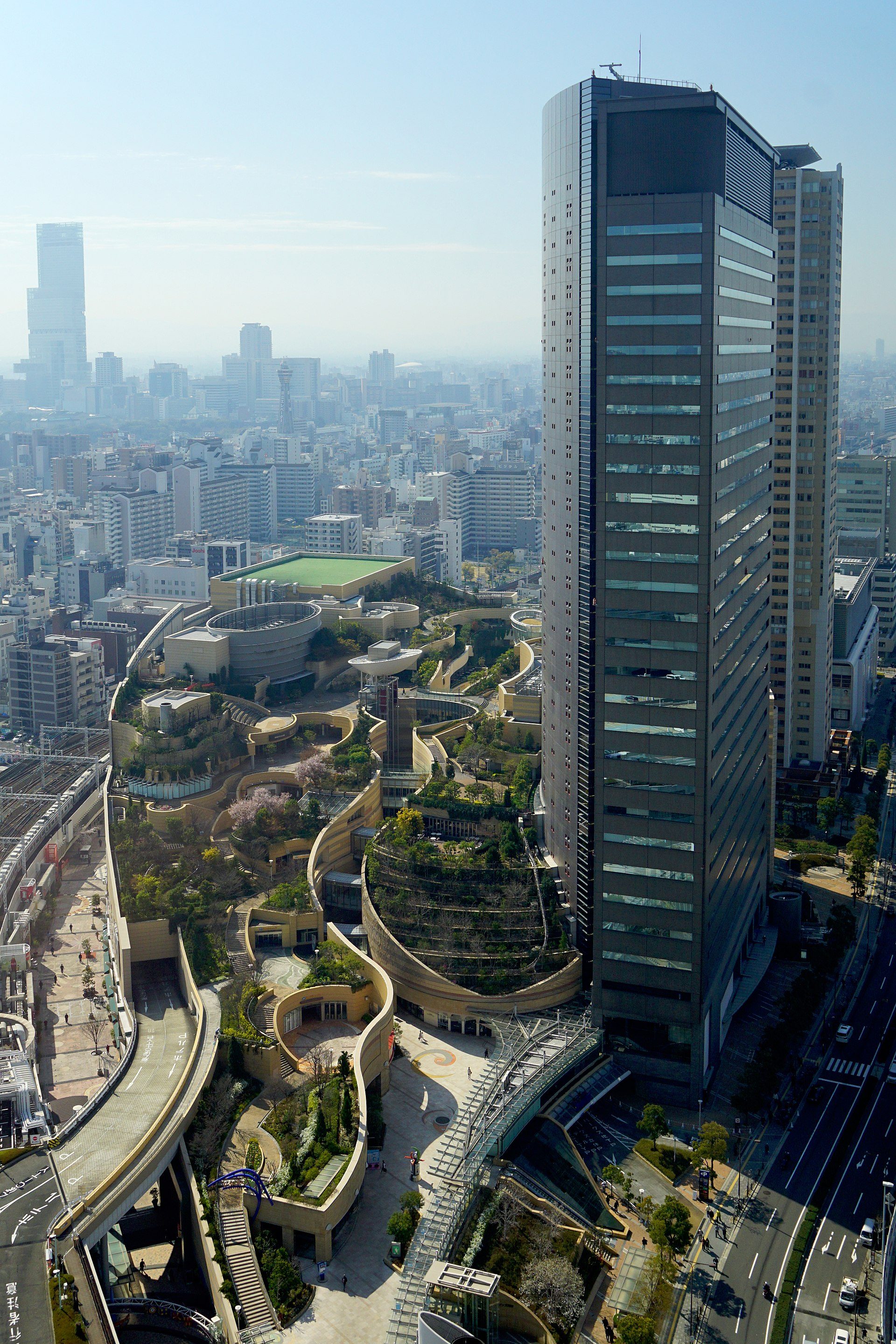
Osaka works best when you respect the north-and-south split: Kita for polished dining and business-center ease, Minami for neon and street rhythm, and one separate cultural layer like the castle or a day trip rather than pretending every piece of Osaka belongs in one endless food crawl.
Osaka
Osaka works best when you respect the north-and-south split: Kita for polished dining and business-center ease, Minami for neon and street rhythm, and one separate cultural layer like the castle or a day trip rather than pretending every piece of Osaka belongs in one endless food crawl.
 Tokyo
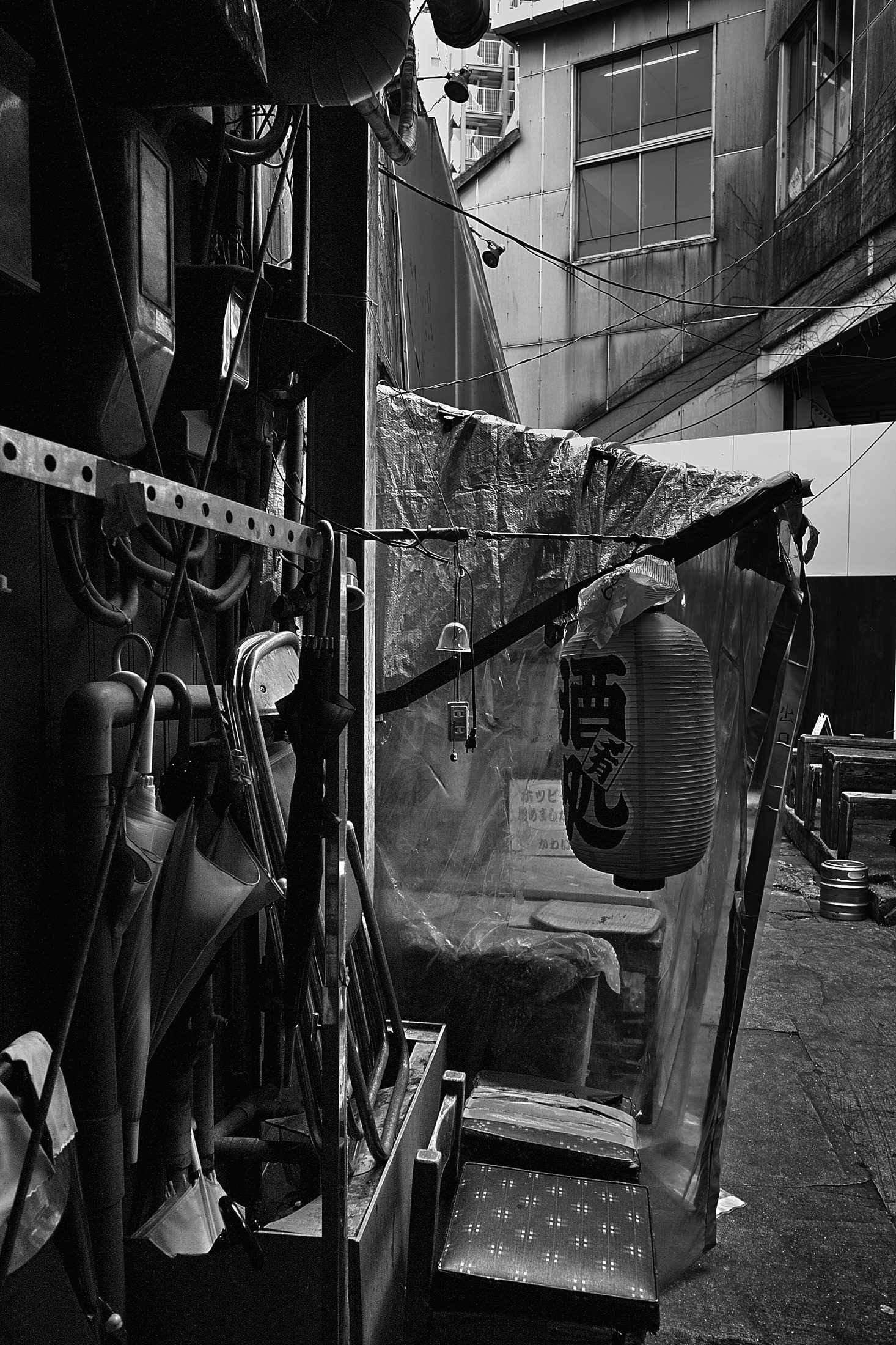
Tokyo works best when you stop treating it as one infinite mega-city and instead build it as deliberate route worlds: a west-side day for Shibuya, Harajuku, and Shinjuku energy, an east-side day for Asakusa, Ueno, or old-Tokyo texture, one high-design or food-led evening in places like Ginza, Ebisu, or Nakameguro, and only the long crosstown moves that genuinely deserve half a day.
Tokyo
Tokyo works best when you stop treating it as one infinite mega-city and instead build it as deliberate route worlds: a west-side day for Shibuya, Harajuku, and Shinjuku energy, an east-side day for Asakusa, Ueno, or old-Tokyo texture, one high-design or food-led evening in places like Ginza, Ebisu, or Nakameguro, and only the long crosstown moves that genuinely deserve half a day.
Quick highlights
- Fushimi Inari
- Arashiyama
- Gion
- Dotonbori
- Osaka Castle
- Umeda
Visa basics
Check nationality-specific entry rules, passport validity, and onward travel requirements before booking.
Regional patterns
Tokyo and the Kanto region, Kansai, western Japan, alpine Japan, and Hokkaido all feel distinct in pace, food, weather, and the kind of trip they support best.
Budgeting logic
Japan's budget pressure comes less from daily incidentals and more from hotel class, long-distance rail or flights, destination restaurants, and peak season timing such as cherry blossom or autumn foliage windows.
Country snapshot
Japan is one of the easiest countries to move through once the route is shaped properly, but it becomes exhausting if you overstuff the itinerary with too many city changes or too many iconic stops per day.
Budget city days can often work around JPY 12000-18000, mid-range around JPY 22000-36000, and the main cost shifts come from hotel standards, shinkansen choices, seasonal spikes, and destination dining.
How trips usually work
Tokyo plus Kansai is the classic first spine, but the strongest trips usually decide early whether the contrast should be Kyoto, Osaka, Nara, Hiroshima, Kanazawa, Hokkaido, or a slower regional addition rather than trying to include everything.
Notable names
- Akira Kurosawa
- Yayoi Kusama
- Hayao Miyazaki
Getting between cities
Rail is Japan's great strength, but passes only make sense when the route truly uses them enough. Shinkansen works beautifully for the main corridors; flights become more relevant for Hokkaido or very long jumps.
Before you go
Open with the city that lets you recover cleanly and understand the route logic. The trip improves when the first days are not over-ambitious.
Book hard-ticket sights, special trains, seasonal stays, and destination restaurants early. Keep smaller meals, shrines, and neighborhood wandering flexible.
Money and connectivity
Budgeting: Cards are more common than before, but cash still matters enough in some smaller shops, temple areas, and local food counters to be worth keeping on hand.
Connectivity: A local data plan matters because route clarity changes the whole trip. Save station names, hotel routes, and one fallback transfer before arrival.
Tipping: Tipping is not part of normal service culture in Japan. In restaurants, cafes, taxis, and hotels, simply pay the stated price unless a specific venue clearly works differently.