Europe
Italy Travel Guide
Italy works best when you stop trying to collect the whole country and instead build around one strong theme: Rome and the ancient core, north-Italy art and design, Venice and slower beauty, or a food-led regional route that respects pace and rail time.
Browse cities
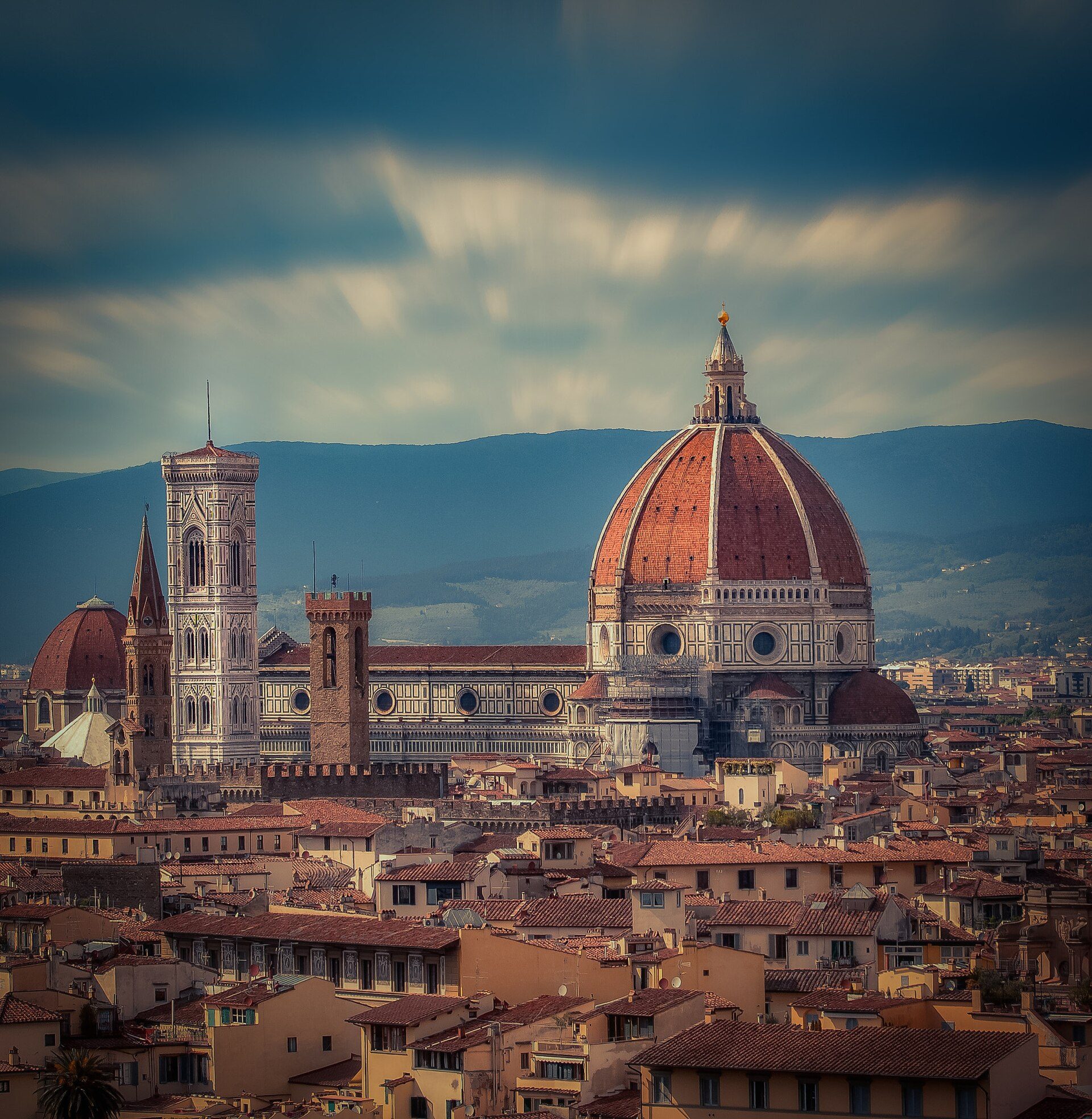
Florence
Florence works best when you stop treating it as only museums and instead build it as one historic-core route, one hill-or-river layer, and one dinner evening that lets the city feel intimate, art-heavy, and more livable than a queue-to-queue checklist suggests.
 Milan
Milan works best when you stop treating it as only a fashion-and-Duomo stop and instead build it as one central route, one design-or-Brera layer, and one dinner evening that lets the city feel faster, sharper, and more local than a pure landmark reading suggests.
Milan
Milan works best when you stop treating it as only a fashion-and-Duomo stop and instead build it as one central route, one design-or-Brera layer, and one dinner evening that lets the city feel faster, sharper, and more local than a pure landmark reading suggests.
 Rome
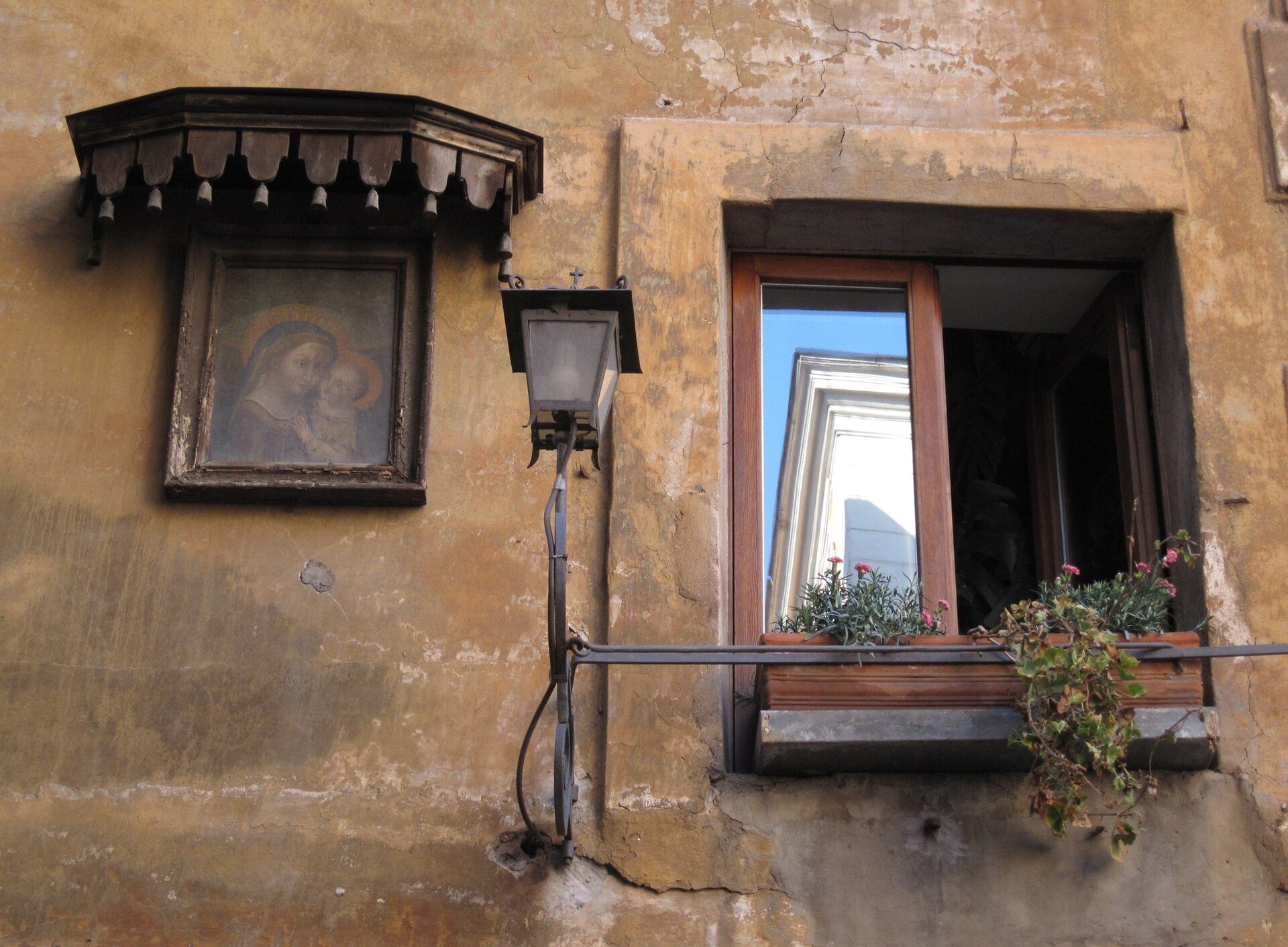
Rome works best when you stop treating it as a museum queue with ruins attached and instead run it as walking-heavy district days: one ancient-Rome axis around the Colosseum and Forum, one Vatican-and-river day, one food-and-evening layer in Campo, Monti, or Trastevere, and only the detours that genuinely deserve your feet and time.
Rome
Rome works best when you stop treating it as a museum queue with ruins attached and instead run it as walking-heavy district days: one ancient-Rome axis around the Colosseum and Forum, one Vatican-and-river day, one food-and-evening layer in Campo, Monti, or Trastevere, and only the detours that genuinely deserve your feet and time.
 Venice
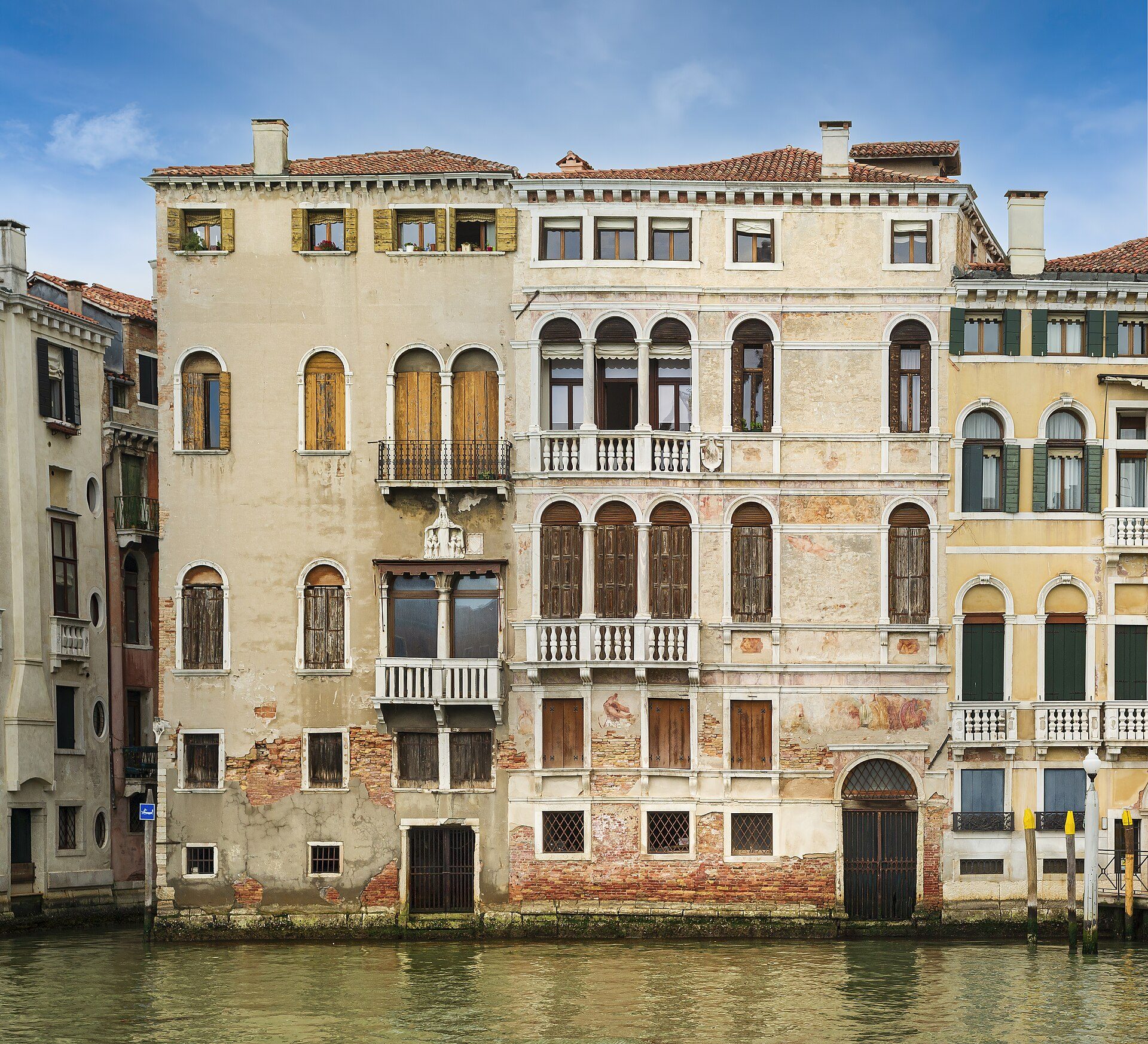
 works best when you stop treating it as only a postcard route and instead build it as one sestiere walk, one lagoon-or-church layer, and one dinner evening that lets the city feel intimate, local, and less overrun than a bridge-by-bridge checklist suggests.
Venice
Venice works best when you stop treating it as only a postcard route and instead build it as one sestiere walk, one lagoon-or-church layer, and one dinner evening that lets the city feel intimate, local, and less overrun than a bridge-by-bridge checklist suggests.
Quick highlights
- Duomo
- Uffizi
- Ponte Vecchio
- Galleria
- Navigli
- Colosseum
Visa basics
Check nationality-specific entry rules, passport validity, and onward travel requirements before booking.
Regional patterns
Rome and Lazio, Tuscany, Venice and the Veneto, Milan and the north, Naples and Campania, and island or southern Italy all support very different rhythms and transport logic.
Budgeting logic
Italy gets expensive fastest through destination hotels, summer coast logic, Venice premiums, and trying to combine too many long intercity moves into the same short trip.
Country snapshot
Italy rewards slower travel more than almost any other country in Europe. The trip gets richer when you combine one iconic city with one contrasting regional layer instead of treating every famous stop as mandatory.
Budget city days often begin around EUR 85-140, mid-range around EUR 170-290, and the main jumps come from Venice, Amalfi, destination hotels, summer dates, and ticket-heavy art days.
How trips usually work
Rome, Florence, Venice, Milan, Naples, and the Amalfi Coast all play different roles. The strongest itinerary starts by deciding whether the trip is about ancient history, art, food, design, coast, or smaller-city texture.
Notable names
- Leonardo da Vinci
- Michelangelo
- Federico Fellini
Getting between cities
Rail is the backbone for most classic Italy trips. Cars matter more for countryside, hill towns, Puglia, Sicily, or coastal areas where train coverage does not shape the route well enough on its own.
Before you go
Open in the city that matches the trip's strongest theme, not the place you feel obliged to include first. Italy punishes weak sequencing more than it punishes simplicity.
Book major sights, rail, and standout hotels early. Leave trattorias, aperitivo, and some neighborhood time flexible.
Money and connectivity
Budgeting: Cards are common, but a bit of cash still helps in bars, smaller trattorias, and local neighborhood stops.
Connectivity: A local or EU eSIM is enough, but what matters more is having station, hotel, and late-return logic saved before each move.
Tipping: Tipping in Italy is modest. Small rounding up or around 5 to 10 percent for strong sit-down service is enough; quick coffee and counter service usually only need small change.