Europe
Germany Travel Guide
Germany works best when you stop imagining one national route and instead use it as a set of strong regional chains: Berlin and the east for history, Munich and Bavaria for beer-garden and alpine logic, Hamburg and the north for maritime contrast, and smaller cities only when they truly sharpen the trip.
Browse cities
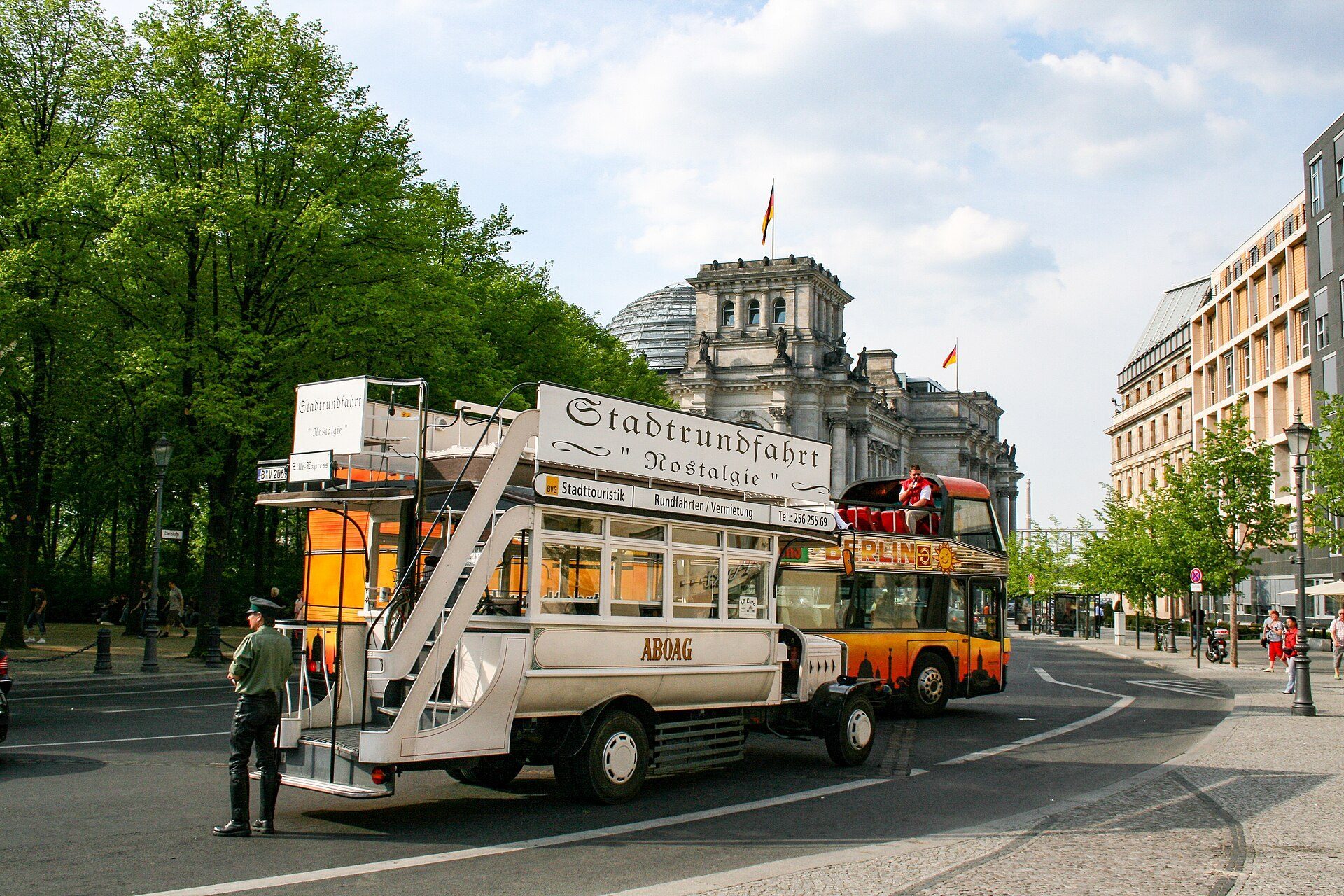
Berlin
Berlin works best when you stop treating it as only a history checklist plus nightlife and instead plan it as contrasting corridor days: Museum Island or Mitte for orientation, a political-and-Cold-War layer for context, one west-side or Kreuzberg-Neukölln neighborhood route for texture, and evenings that belong to a specific district rather than to an abstract idea of Berlin after dark.
 Hamburg
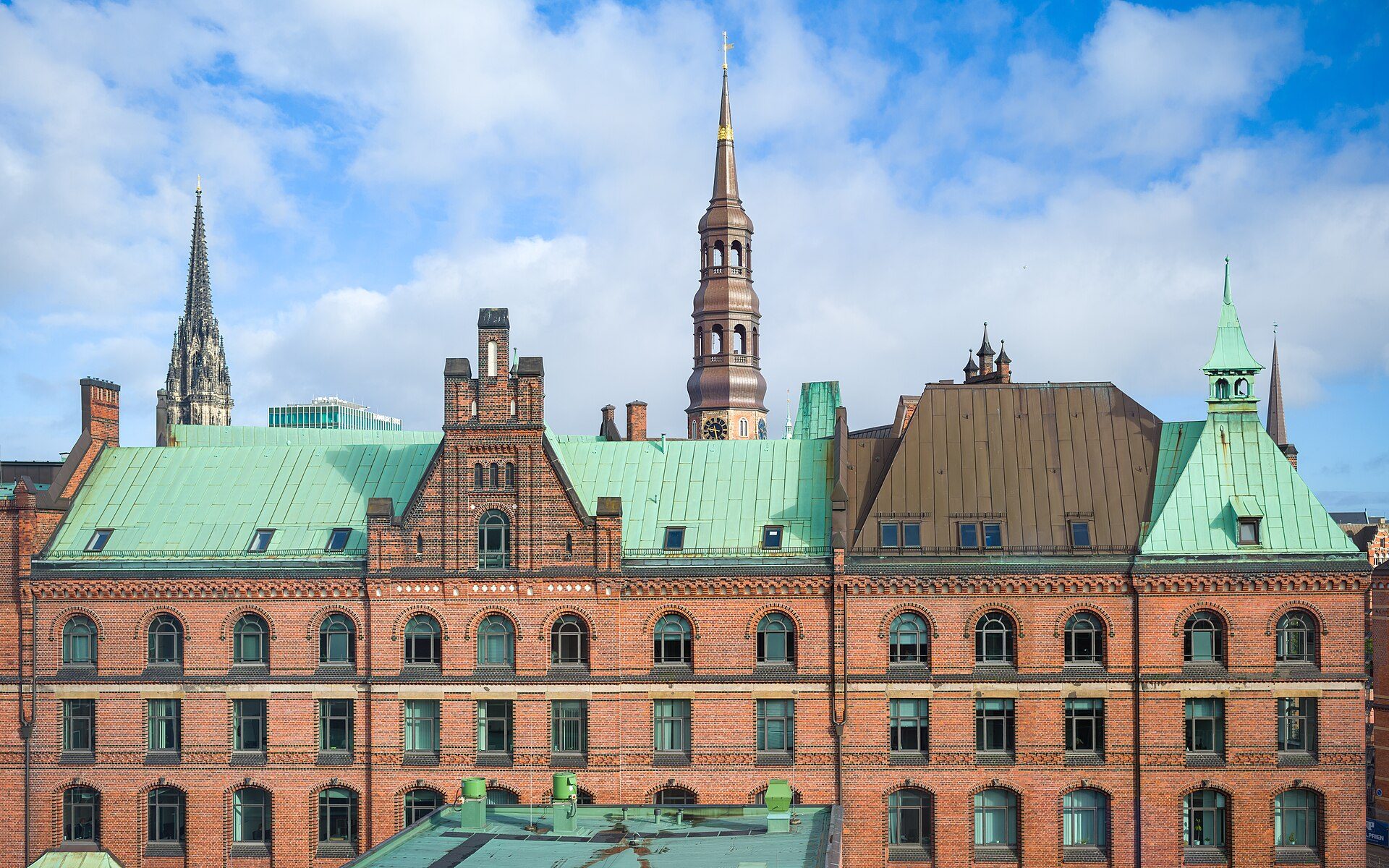
 works best when you build it as one harbor-and-center route, one warehouse district layer, and one dinner evening instead of reducing it to only canals and weather.
Hamburg
Hamburg works best when you build it as one harbor-and-center route, one warehouse district layer, and one dinner evening instead of reducing it to only canals and weather.
 Munich
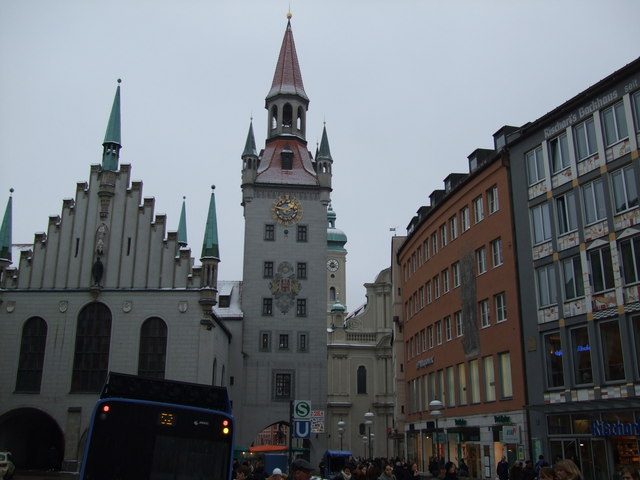
 works best when you build it as one old-center route, one museum-or-park layer, and one dinner evening instead of flattening it into only beer shorthand and polished orderliness.
Munich
Munich works best when you build it as one old-center route, one museum-or-park layer, and one dinner evening instead of flattening it into only beer shorthand and polished orderliness.
Quick highlights
- Brandenburg Gate
- Museum Island
- Kreuzberg
- Elbphilharmonie
- Speicherstadt
- Harbor waterfront
Visa basics
Check nationality-specific entry rules, passport validity, and onward travel requirements before booking.
Regional patterns
Berlin, Bavaria, Hamburg and the north, the Rhine-west, and smaller eastern cities all feel different in pace, architecture, food, and nightlife.
Budgeting logic
Germany usually becomes expensive through hotels, trade-fair or event periods, and overcomplicated intercity ambition rather than through daily basics alone.
Country snapshot
Germany rewards travelers who want museums, layered history, efficient rail, and a trip that feels practical without becoming dull. Regional contrast is the key, not map coverage.
Budget city days can often work around EUR 85-130, mid-range around EUR 170-270, and the biggest price shifts usually come from hotel standards, event dates, and whether the trip leans major cities or smaller regional bases.
How trips usually work
Berlin is the cleanest first gateway for history and culture, but the best Germany trips usually add only one or two additional regions such as Hamburg, Munich, the Rhine, or Dresden rather than forcing the whole country into one loop.
Notable names
- Johann Wolfgang von Goethe
- Marlene Dietrich
- Albert Einstein
Getting between cities
Long-distance rail is the main strength between major German cities. Cars matter more once the route genuinely leaves the urban rail spine for castles, countryside, or smaller regional loops.
Before you go
Pick the first city that gives the trip a clean theme. Germany feels easiest when every additional city clearly adds a new regional logic.
Book rail, major museums, and event-driven hotel dates early. Leave neighborhoods, markets, and beer-garden or cafe time flexible.
Money and connectivity
Budgeting: Cards are more common than before, but Germany still rewards carrying some cash for smaller bars, kiosks, markets, and older local spots.
Connectivity: A local or EU eSIM is enough, but saving station names and onward routes matters because rail changes often shape the day.
Tipping: Service is included in Germany. Rounding up or leaving around 5 to 10 percent for good sit-down service is normal; cafes and quick counters usually only need small rounding.