Other
Australia Travel Guide
Australia works best when you stop imagining one national route and instead build around one regional idea: southeast city culture, Queensland coast, Tasmania and slower scenery, or a city-plus-nature split that respects the country's real scale.
Browse cities
Adelaide
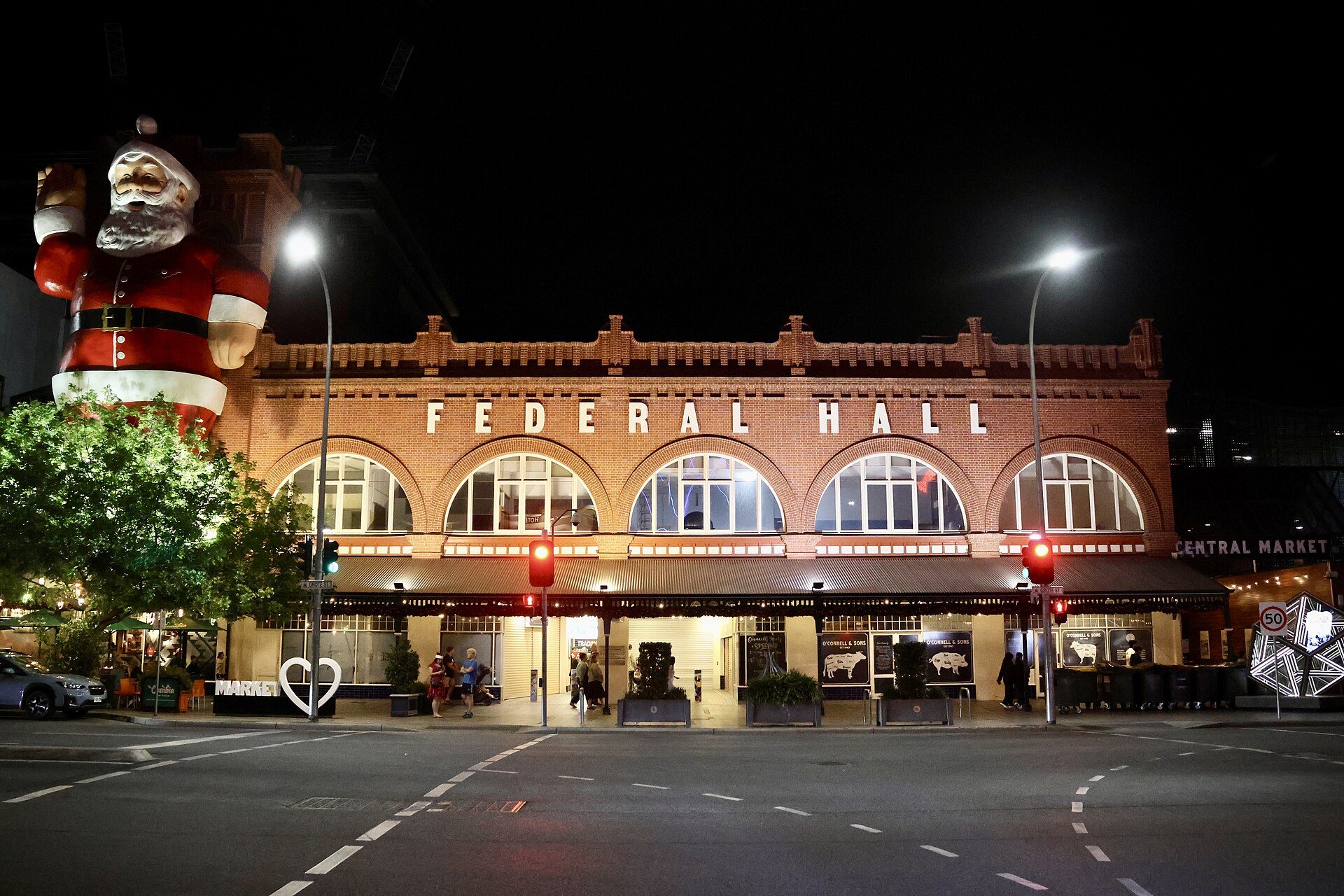
Adelaide works best when you build it as one parkland-and-center route, one market layer, and one dinner evening instead of treating it as only a neat staging post before wine country.
 Melbourne
 works best when you lean into a grid-and-neighborhood rhythm: one CBD and laneway day, one Fitzroy-Collingwood or Carlton day, one market or sports-cultural layer, and one evening built around eating and drinking instead of sprinting between districts.
Melbourne
Melbourne works best when you lean into a grid-and-neighborhood rhythm: one CBD and laneway day, one Fitzroy-Collingwood or Carlton day, one market or sports-cultural layer, and one evening built around eating and drinking instead of sprinting between districts.
 Perth
Perth works best when you build it as one center-and-river route, one park-or-beach layer, and one dinner evening instead of flattening it into only distance, sunshine, and generic West Coast ease.
Perth
Perth works best when you build it as one center-and-river route, one park-or-beach layer, and one dinner evening instead of flattening it into only distance, sunshine, and generic West Coast ease.
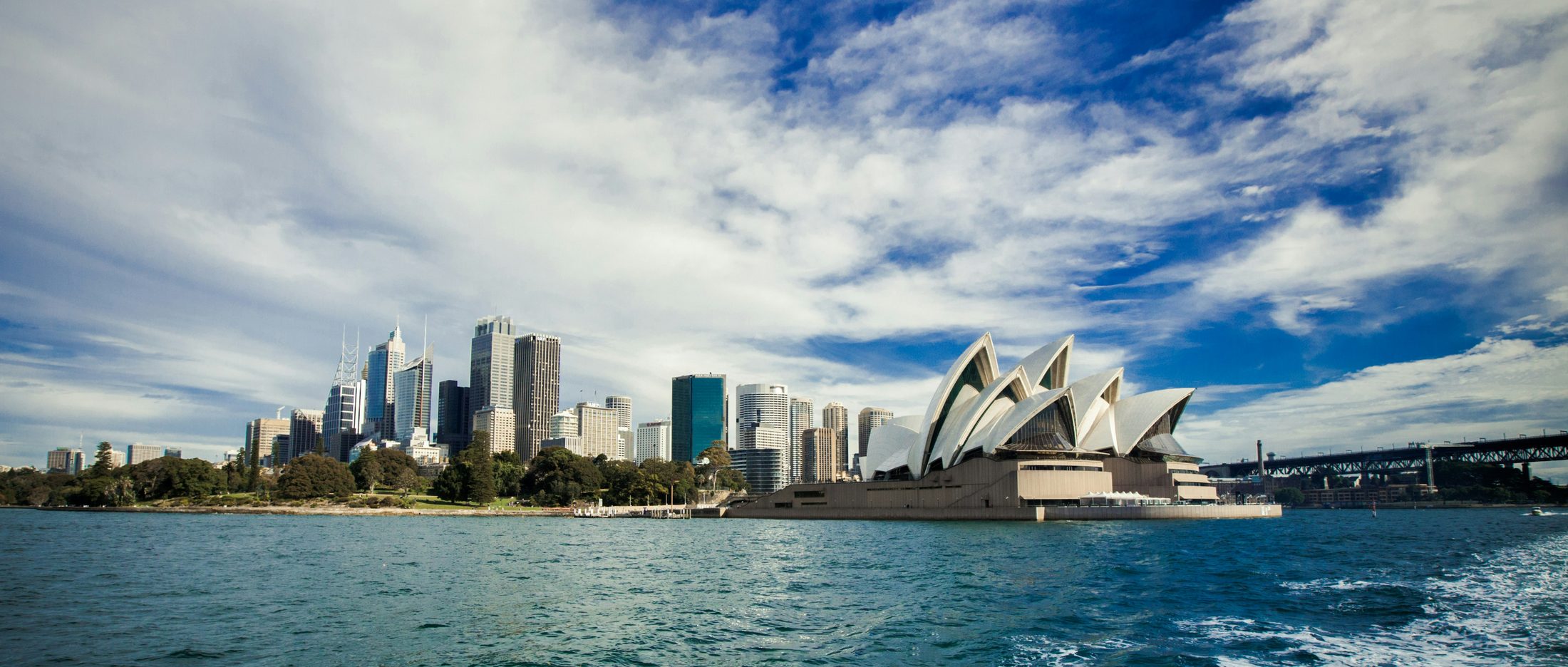 Sydney
 works best as a harbour day, a beach day, and a neighborhood night rather than one giant scenic blur. The city is strongest when Circular Quay, the eastern beaches, and districts like Surry Hills or Newtown each get their own mood and timing.
Sydney
Sydney works best as a harbour day, a beach day, and a neighborhood night rather than one giant scenic blur. The city is strongest when Circular Quay, the eastern beaches, and districts like Surry Hills or Newtown each get their own mood and timing.
Quick highlights
- Central Market
- North Terrace
- Botanic Garden
- Laneways
- Federation Square
- Royal Botanic Gardens
Visa basics
Check nationality-specific entry rules, passport validity, and onward travel requirements before booking.
Regional patterns
Sydney, Melbourne, Brisbane, tropical north Queensland, Tasmania, and Western Australia all behave like distinct trip families with different weather, pace, and transport tradeoffs.
Budgeting logic
Australia becomes expensive fastest through long internal flights, coastal accommodation, car dependence outside city centers, and trying to combine too many regions in one trip.
Country snapshot
Australia rewards travelers who accept distance, seasonality, and flight time early. The strongest trips feel regional and deliberate, not like a race between too many famous names.
Budget city days often begin around AUD 130-190, mid-range around AUD 240-380, and the main jumps come from flights, coastal stays, car rentals, and high-demand nature areas.
How trips usually work
Sydney and Melbourne form the easiest urban spine, while Brisbane and Queensland lead better into warmer coast logic. Perth belongs only when Western Australia is the real point, not when it is forced into an east-coast trip.
Notable names
- Cate Blanchett
- Peter Carey
- Kylie Minogue
Getting between cities
Domestic flights are the default for long jumps. Rail can matter regionally, but most multi-city routes still depend on air travel, and that should be reflected in both budget and timing.
Before you go
Open in the city that matches the trip's real theme, not just the cheapest flight. Distance inside Australia is what reshapes the route after day one.
Domestic flights, holiday dates, and standout nature stays should be booked early. Leave neighborhood dining and some outdoor pacing flexible around weather.
Money and connectivity
Budgeting: Cards are easy almost everywhere, so budgeting usually comes down to lodging, flights, and transport choice more than cash handling.
Connectivity: An eSIM is enough, but what matters most is having flight details, airport transfer logic, and one backup plan saved because distances make mistakes expensive.
Tipping: Tipping is not mandatory in Australia. Rounding up or leaving about 5 to 10 percent for strong sit-down service is appreciated; cafes and counter service usually do not need a tip.