Food guide - Germany - Europe

Restaurants and cafes in Berlin

Berlin works best when you stop treating it as only a history checklist plus nightlife and instead plan it as contrasting corridor days: Museum Island or Mitte for orientation, a political-and-Cold-War layer for context, one west-side or Kreuzberg-Neukölln neighborhood route for texture, and evenings that belong to a specific district rather than to an abstract idea of Berlin after dark.

Best time: May to June and September for long days without peak winter chill.
Food market scene in Berlin
Photo by A.Savin

Best areas

Mitte, Prenzlauer Berg, and Kreuzberg

Main rule

Keep meals tied to the district you are already using.

Trip rhythm

One strong dinner and one well-timed cafe stop are usually enough.

Key takeaways

Where to eat and pause well in Berlin

Keep the list short, concrete, and tied to the districts you actually use.

  • Choose one lunch idea, one stronger dinner, and one cafe stop
  • Match food to the district, not the algorithm
  • Do not restart the whole route for every meal

In Berlin, first-time food planning usually works best around areas like Mitte, Prenzlauer Berg, and Kreuzberg.

The goal is not to collect the longest list. It is to pick a few places that genuinely improve the day.

Grill Royal

Mitte / Spree edge

A strong flagship dinner if the trip wants one unmistakably Berlin polished night that still fits central routing.

Expect roughly EUR 60-120 per person.

Jolesch

Kreuzberg

A better district-specific dinner when the route already belongs to Kreuzberg and wants more texture than trend-chasing.

Expect roughly EUR 25-50 per person.

Coda

Neukölln

Best for one deliberate destination evening if the trip wants a clearly modern Berlin food memory.

Expect roughly EUR 120+ per person.

The Barn

Mitte

A named coffee anchor that fits naturally into a serious central Berlin day.

Coffee and pastry usually cost EUR 7-15.

Five Elephant

Kreuzberg

A stronger neighborhood coffee stop when the day already belongs south of the canal.

Coffee and cheesecake usually cost EUR 8-16.
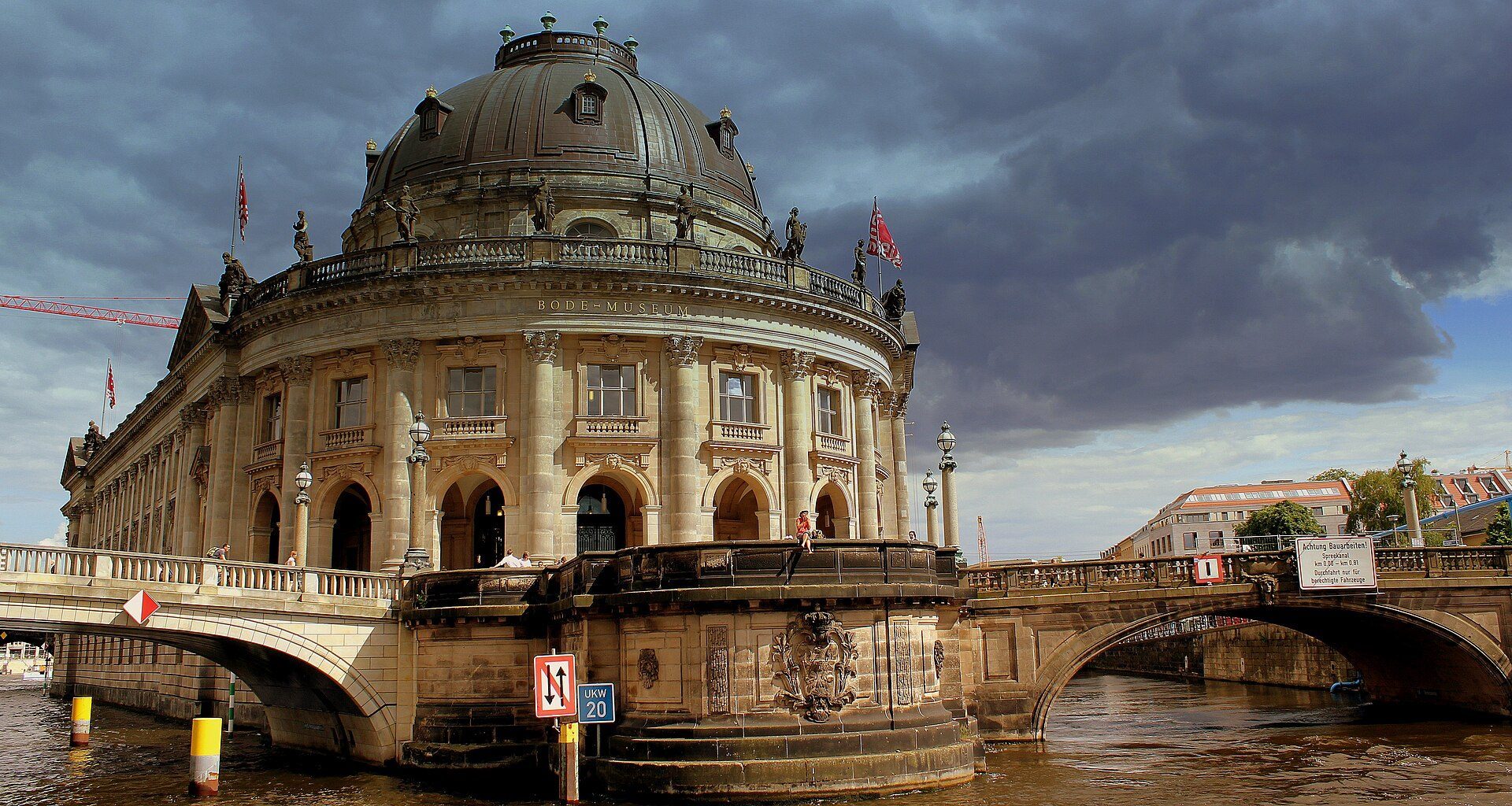
Museum Island exterior in Berlin
Photo by calflier001

How to build a better food day in Berlin

A short route with the right stops almost always beats a famous place in the wrong area.

  • Lunch near the daytime route
  • Dinner near the evening district
  • Use cafes for resets, not detours

The strongest meal plan usually means one clear dinner target and lighter stops that fit the walking pattern of the day.

If a famous place forces a long extra transfer, it often costs more energy than it gives back.

Cafe stops matter most when they help you recover before the next block of sightseeing.

Food market scene in Berlin
Photo by A.Savin

What to book and what to keep flexible

Protect the places that are hard to replace, and keep the rest adaptable.

  • Book only the meals that are central to the trip
  • Keep one fallback district in mind
  • Use markets and bakeries to control the budget

One or two named places are usually enough for a short trip.

Everything else should stay flexible so weather, queues, or energy level do not ruin the evening.

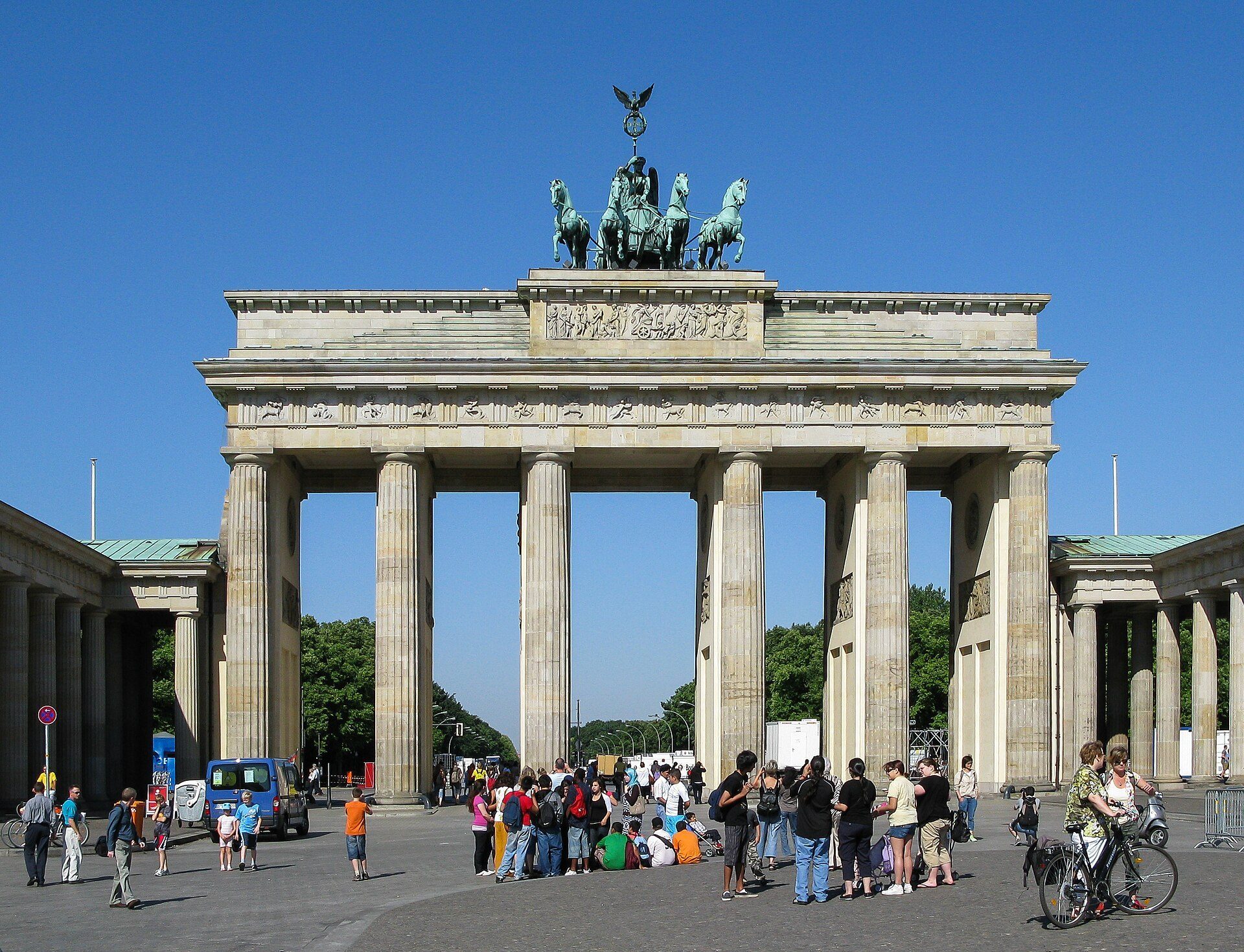
Brandenburg Gate wide view
Photo by Dietmar Rabich

Where to spend your first serious meal in Berlin

Use named places to strengthen the district day, not to hijack it.

  • Pick one signature meal
  • Let coffee and pastry support the route
  • Avoid rebuilding the whole day around a single reservation

For a strong first food day in Berlin, places like Grill Royal, Jolesch, and Coda work best when they already belong to the district you planned to use anyway.

Smaller coffee or pastry stops such as The Barn and Five Elephant are usually more valuable when they reset the walking rhythm instead of becoming separate micro-destinations.

The city gets easier to read when lunch or dinner confirms the route instead of dragging it somewhere else.

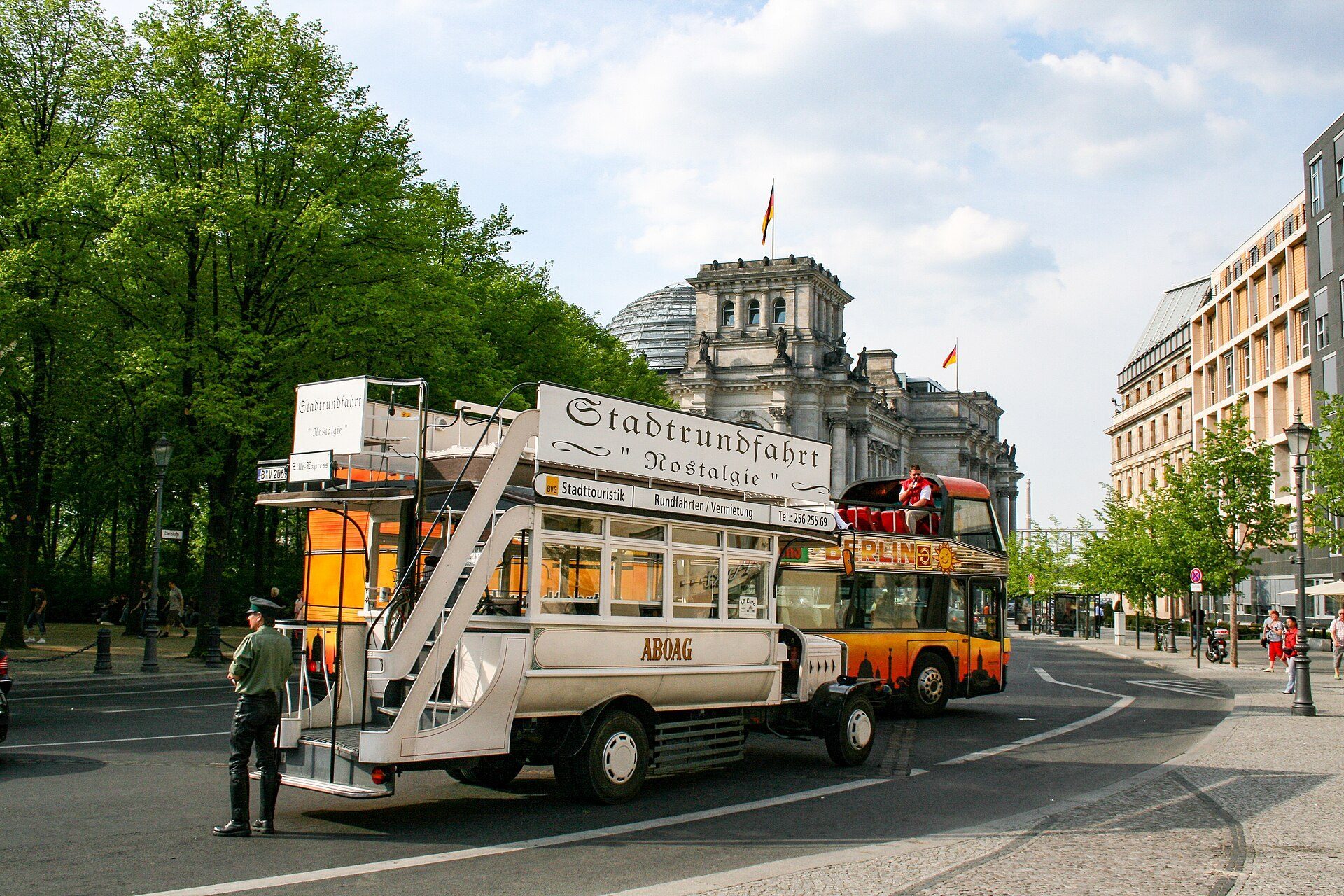
Transit scene in Berlin
Photo by Jcornelius

How to split coffee, lunch, and dinner across Berlin

A clean meal rhythm usually beats maximum number of famous tables.

  • Keep breakfast or first coffee tactical
  • Use lunch to rescue route energy
  • Let dinner define the evening district

If the day already includes stronger browsing or gift logic around Hackescher Markt and KaDeWe, keep food nearby and use dinner to close the same part of the city well.

The smartest short trip often means one destination dinner, one practical lunch, and one coffee or bakery stop that keeps the day moving.

That rhythm leaves enough room for mood and fatigue, which usually improves the quality of the meals themselves.

FAQ

Where should I eat in Berlin on a first trip?
Start with the districts already in your route, especially Mitte, Prenzlauer Berg, and Kreuzberg, and use one lunch idea, one stronger dinner, and one cafe stop rather than trying to cover the whole city.
Do I need restaurant reservations in Berlin?
Usually only for the places that are genuinely difficult to get into or especially important to you.